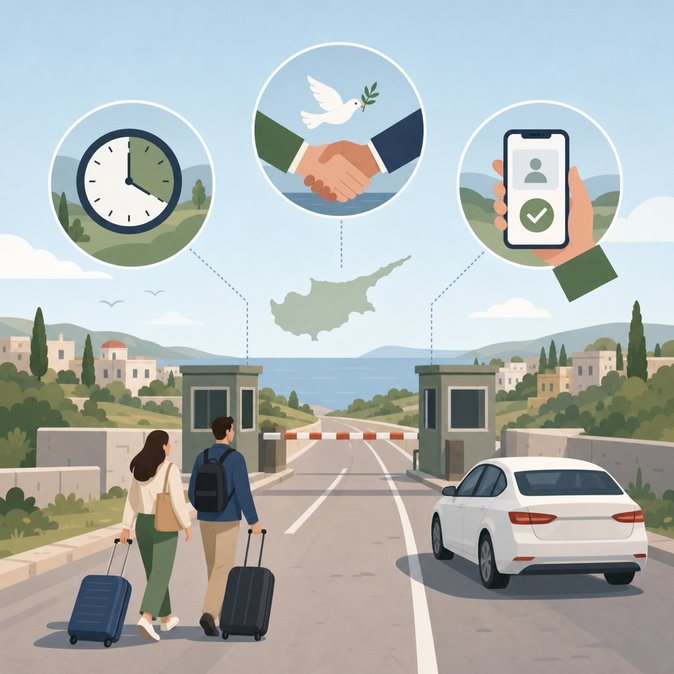
The United Nations Secretary-General’s Personal Envoy, María Ángela Holguín Cuéllar, will return to Cyprus on 6 June for separate meetings with Greek-Cypriot and Turkish-Cypriot leaders, officials confirmed on 26 May. While the talks are primarily political, negotiators say a key focus this round will be so-called confidence-building measures (CBMs) designed to improve mobility between the two communities. Cyprus has been split since 1974, and although several crossing points exist along the UN-patrolled buffer zone, procedures remain cumbersome: travellers must show ID at two checkpoints and commercial goods require special permits.
![UN envoy’s June visit aims at new confidence-building steps that could ease daily crossings on divided island]()
Travellers looking for up-to-date guidance on documents required to cross either the Green Line or the island’s external borders can also consult specialists such as VisaHQ. The firm’s Cyprus portal (https://www.visahq.com/cyprus/) aggregates the latest entry regulations, visa options and transit rules, and its team can expedite applications or answer compliance questions for business visitors, tourists and assignees alike.
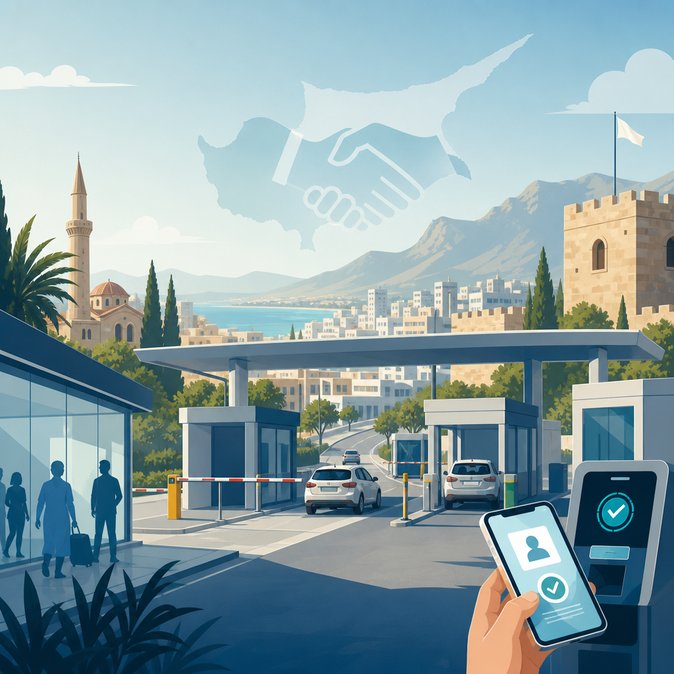
Recent years have seen sporadic closures—most recently during pandemic restrictions and security incidents—causing headaches for workers who live on one side and work on the other, as well as for tourists day-tripping between Nicosia’s old town and Kyrenia’s harbour. Diplomatic sources say the June agenda includes extending operating hours at the busiest crossings, digitising the current paper-based ‘white card’ issued by Turkish-Cypriot authorities, and launching a joint hotline to resolve ad-hoc blockages faster. Technical committees are also examining whether small quantities of commercial samples can cross without full customs clearance—an issue flagged by multinational retailers that source textiles from workshops in the north while selling finished goods in the Republic. If agreed, these steps would deliver tangible benefits for the 12,000 Turkish-Cypriots who commute south daily and for EU nationals who must currently navigate inconsistent procedures. They would also dovetail with the Republic’s push to join the Schengen Area, as smoother intra-island movement strengthens its case that external borders—not the internal Green Line—pose the main control challenge. For global-mobility specialists the message is to watch the CBM track, not just the high-level political talks. Even modest operational tweaks—longer opening hours, digital passes—can translate into substantial time savings for assignees shuttling between offices in Nicosia, Limassol and Famagusta. Companies with staff on both sides of the Green Line should keep contingency plans in place but be ready to capitalise quickly on any facilitated arrangements that emerge from Holguín’s June mission.
Travellers looking for up-to-date guidance on documents required to cross either the Green Line or the island’s external borders can also consult specialists such as VisaHQ. The firm’s Cyprus portal (https://www.visahq.com/cyprus/) aggregates the latest entry regulations, visa options and transit rules, and its team can expedite applications or answer compliance questions for business visitors, tourists and assignees alike.
Recent years have seen sporadic closures—most recently during pandemic restrictions and security incidents—causing headaches for workers who live on one side and work on the other, as well as for tourists day-tripping between Nicosia’s old town and Kyrenia’s harbour. Diplomatic sources say the June agenda includes extending operating hours at the busiest crossings, digitising the current paper-based ‘white card’ issued by Turkish-Cypriot authorities, and launching a joint hotline to resolve ad-hoc blockages faster. Technical committees are also examining whether small quantities of commercial samples can cross without full customs clearance—an issue flagged by multinational retailers that source textiles from workshops in the north while selling finished goods in the Republic. If agreed, these steps would deliver tangible benefits for the 12,000 Turkish-Cypriots who commute south daily and for EU nationals who must currently navigate inconsistent procedures. They would also dovetail with the Republic’s push to join the Schengen Area, as smoother intra-island movement strengthens its case that external borders—not the internal Green Line—pose the main control challenge. For global-mobility specialists the message is to watch the CBM track, not just the high-level political talks. Even modest operational tweaks—longer opening hours, digital passes—can translate into substantial time savings for assignees shuttling between offices in Nicosia, Limassol and Famagusta. Companies with staff on both sides of the Green Line should keep contingency plans in place but be ready to capitalise quickly on any facilitated arrangements that emerge from Holguín’s June mission.
More From Cyprus
View all
Cyprus customs officers seize nearly €200,000 of undeclared cash concealed in passenger’s socks at Paphos Airport

Far-right ELAM surge in Cypriot elections raises prospect of tougher migration and visa rules