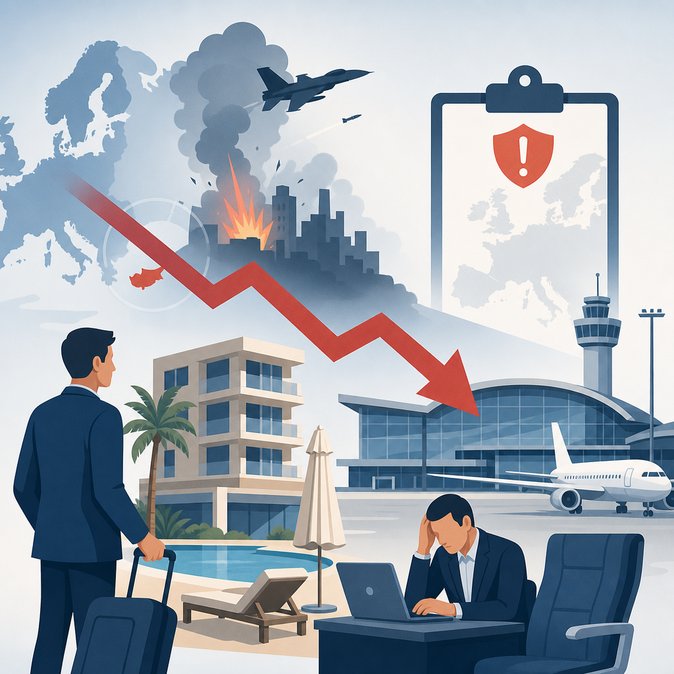
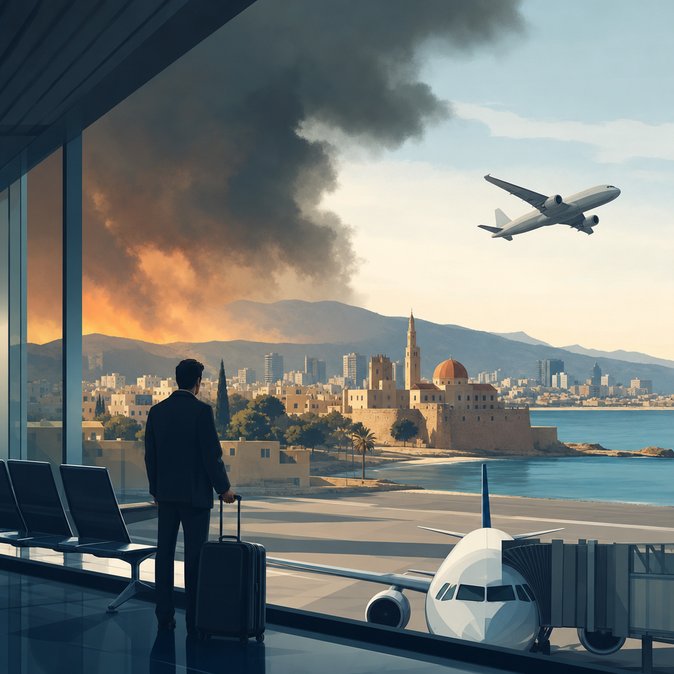
A sharp drop in holiday bookings is rattling Cyprus’ tourism-dependent economy as fallout from the Iran war spreads across the Eastern Mediterranean. Industry data cited by Bloomberg and confirmed by Cypriot hotel federations show international arrivals plunged 30 percent in March and 28 percent in April compared with last year. The slide accelerated after a 1 March drone attack near Britain’s RAF Akrotiri base on the island, which prompted several European governments to update travel advisories and insurers to raise premiums. Hermes Airports, operator of Larnaca and Paphos, now forecasts passenger throughput between April and October will be nearly 10 percent lower than previously expected—equivalent to about 400 000 fewer travellers. Budget airlines have already trimmed summer capacity, while tour operators from Germany and Scandinavia report cancellation rates of up to 20 percent.
![Security fears over Iran conflict dent Cyprus’ vital tourism market]()
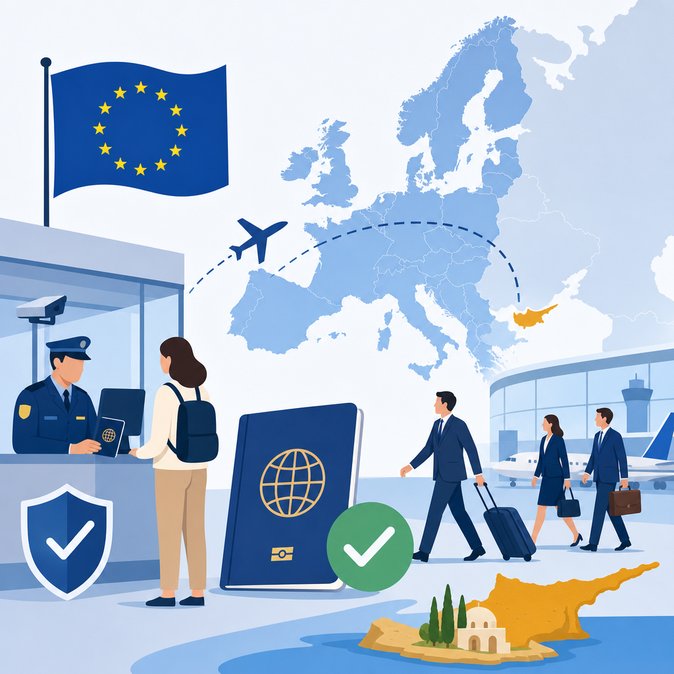
Amid the scheduling chaos, VisaHQ’s dedicated Cyprus portal (https://www.visahq.com/cyprus/) can help mobility managers and individual travellers stay on top of shifting entry rules. The platform aggregates real-time visa requirements, offers expedited processing and even arranges courier pickup of passports, reducing friction just when airlines are cutting seats and rerouting flights.
Tourism normally contributes about 14 percent of Cypriot GDP, so any prolonged slump threatens jobs in hospitality, transport and retail. For global mobility teams, the immediate concern is operational. Companies relocating staff or organising conferences in Cyprus are facing higher airfare costs and tighter seat inventory, especially on short-notice itineraries. Some employers are activating contingency plans that route travellers through Athens or Tel Aviv to avoid capacity bottlenecks at peak weekends. Mobility tax advisers also warn that shorter-stay business visitors may see trip patterns disrupted, complicating days-of-presence tracking under the 183-day rule. Government officials insist the downturn is temporary. Deputy Tourism Minister Kostas Koumis told parliament that a €25 million emergency marketing campaign will target resilient source markets such as Poland, Israel and the Gulf, while hotels are being offered loan-repayment holidays. Yet hoteliers argue more is needed, fearing the blow will extend into winter bookings if the regional security picture fails to stabilise. Longer term, analysts say the episode underscores the fragility of island tourism models in an era of geopolitical shocks. Diversifying into conference travel, higher-spending niche segments and digital-nomad visas could help cushion future blows. For now, mobility professionals should monitor carrier schedules closely and build extra lead time into any staff moves to or from Cyprus this summer.
Amid the scheduling chaos, VisaHQ’s dedicated Cyprus portal (https://www.visahq.com/cyprus/) can help mobility managers and individual travellers stay on top of shifting entry rules. The platform aggregates real-time visa requirements, offers expedited processing and even arranges courier pickup of passports, reducing friction just when airlines are cutting seats and rerouting flights.
Tourism normally contributes about 14 percent of Cypriot GDP, so any prolonged slump threatens jobs in hospitality, transport and retail. For global mobility teams, the immediate concern is operational. Companies relocating staff or organising conferences in Cyprus are facing higher airfare costs and tighter seat inventory, especially on short-notice itineraries. Some employers are activating contingency plans that route travellers through Athens or Tel Aviv to avoid capacity bottlenecks at peak weekends. Mobility tax advisers also warn that shorter-stay business visitors may see trip patterns disrupted, complicating days-of-presence tracking under the 183-day rule. Government officials insist the downturn is temporary. Deputy Tourism Minister Kostas Koumis told parliament that a €25 million emergency marketing campaign will target resilient source markets such as Poland, Israel and the Gulf, while hotels are being offered loan-repayment holidays. Yet hoteliers argue more is needed, fearing the blow will extend into winter bookings if the regional security picture fails to stabilise. Longer term, analysts say the episode underscores the fragility of island tourism models in an era of geopolitical shocks. Diversifying into conference travel, higher-spending niche segments and digital-nomad visas could help cushion future blows. For now, mobility professionals should monitor carrier schedules closely and build extra lead time into any staff moves to or from Cyprus this summer.