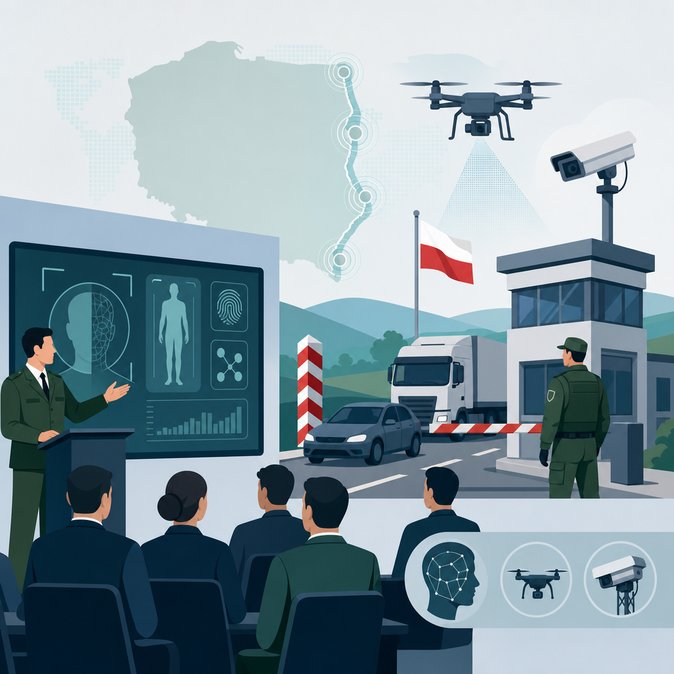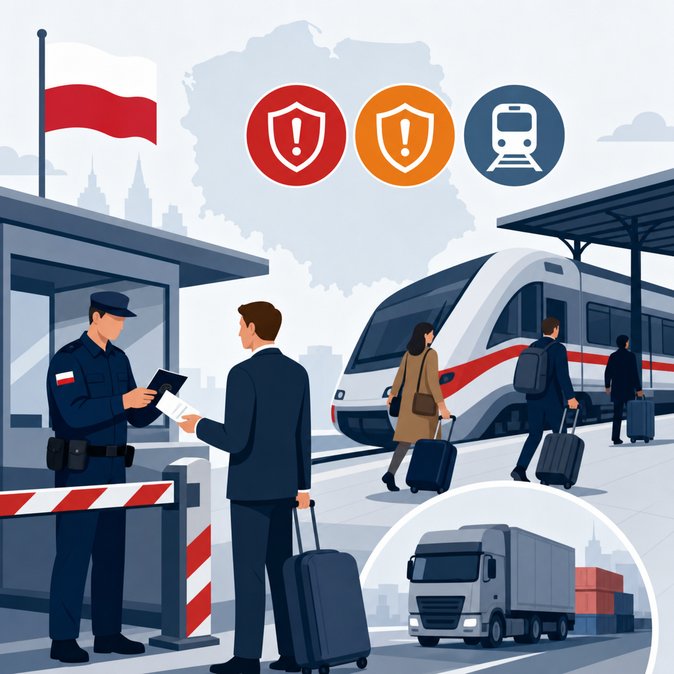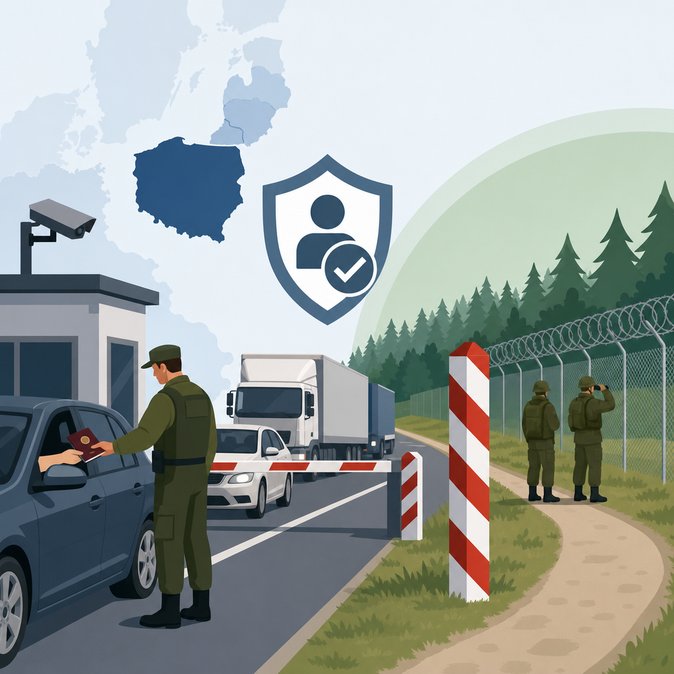
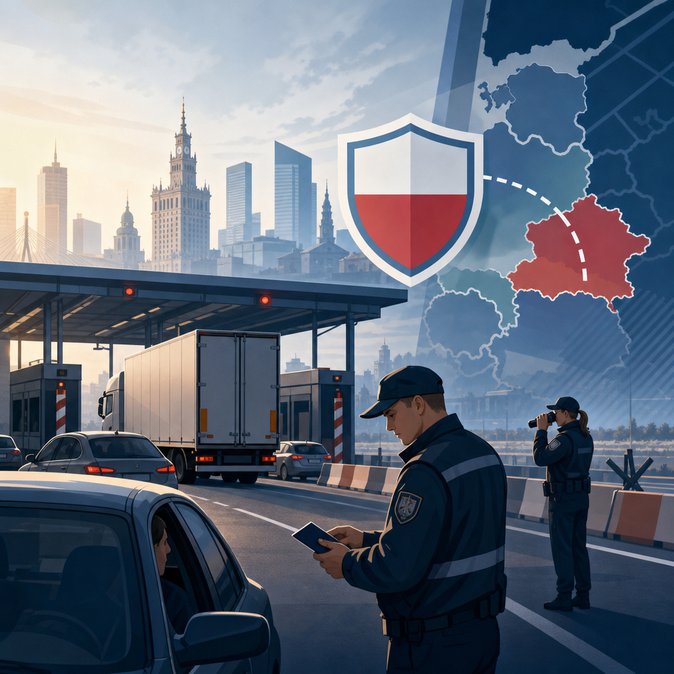
Poland’s Border Guard (Straż Graniczna) released its latest operational bulletin on 3 June 2026, confirming that temporary passport controls on the land borders with Lithuania and Germany remain in full force and will run at least until 1 October 2026. Statistics for 2 June show officers checked more than 4,700 travellers and 2,400 vehicles at the Lithuanian crossing points and almost 3,700 travellers and 1,700 vehicles on the German frontier. Three people were refused entry on the German side. Although the checks are legally an ‘exceptional’ measure under the Schengen Borders Code, Poland has rolled them over every six months since 2024, citing migration pressure and security risks. In parallel, Warsaw is extending a separate 78-kilometre buffer zone along the Belarus border for another 90 days beginning 3 June, after Border Guard units reported nine new illegal-entry attempts on 2 June. The restricted strip, first introduced in 2024, can be as wide as 4 km in some forested areas.
![Poland keeps tight grip on internal Schengen borders as summer travel season starts]()
For travellers keen to make sure all documentation is squared away before reaching these unpredictable border posts, VisaHQ’s Poland portal (https://www.visahq.com/poland/) is a quick one-stop resource for visa checks, expedited passport services and the latest entry guidance—helping businesses and individuals keep journeys on schedule despite shifting control regimes.
For business travellers, haulage companies and cross-border commuters the revived controls mean mandatory passport stops, occasional secondary screening and potential schedule disruption. Logistics firms running ‘just-in-time’ supply chains between the Baltic states, Poland and Germany report adding up to an hour of padding to delivery timetables. Employers relocating staff through Warsaw, Poznań or Gdańsk airports are being advised to brief non-EU assignees that internal land-border checks do not affect the 90/180-day Schengen limit but can involve questions about stay purpose and proof of accommodation. The Interior Ministry insists the measures are temporary, yet EU institutions have criticised repeated roll-overs. Brussels is still finalising reforms that would allow more proportionate, intelligence-led spot checks instead of blanket controls. Until then, companies with mobile workforces should monitor daily Border Guard communiqués and factor in extra transit time, especially for employees driving rental cars with foreign licence plates, which are often singled out for inspection. Looking ahead, the planned full digitalisation of Poland’s border-management systems—tying passport data to the EU Entry/Exit System (EES) and the upcoming European Travel Information and Authorisation System (ETIAS)—could eventually shorten queues. However, officials admit the technology will not be ready before late 2027, making a fresh extension of the current controls in the autumn highly likely.
For travellers keen to make sure all documentation is squared away before reaching these unpredictable border posts, VisaHQ’s Poland portal (https://www.visahq.com/poland/) is a quick one-stop resource for visa checks, expedited passport services and the latest entry guidance—helping businesses and individuals keep journeys on schedule despite shifting control regimes.
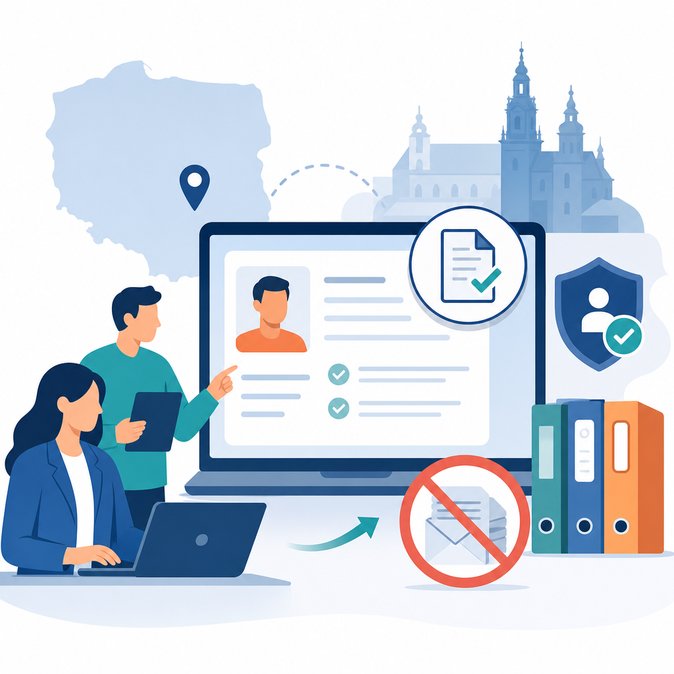
For business travellers, haulage companies and cross-border commuters the revived controls mean mandatory passport stops, occasional secondary screening and potential schedule disruption. Logistics firms running ‘just-in-time’ supply chains between the Baltic states, Poland and Germany report adding up to an hour of padding to delivery timetables. Employers relocating staff through Warsaw, Poznań or Gdańsk airports are being advised to brief non-EU assignees that internal land-border checks do not affect the 90/180-day Schengen limit but can involve questions about stay purpose and proof of accommodation. The Interior Ministry insists the measures are temporary, yet EU institutions have criticised repeated roll-overs. Brussels is still finalising reforms that would allow more proportionate, intelligence-led spot checks instead of blanket controls. Until then, companies with mobile workforces should monitor daily Border Guard communiqués and factor in extra transit time, especially for employees driving rental cars with foreign licence plates, which are often singled out for inspection. Looking ahead, the planned full digitalisation of Poland’s border-management systems—tying passport data to the EU Entry/Exit System (EES) and the upcoming European Travel Information and Authorisation System (ETIAS)—could eventually shorten queues. However, officials admit the technology will not be ready before late 2027, making a fresh extension of the current controls in the autumn highly likely.