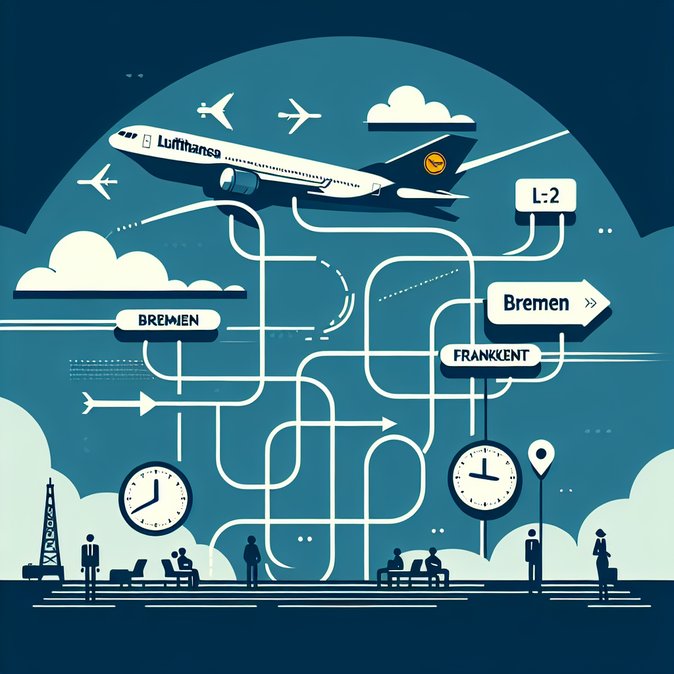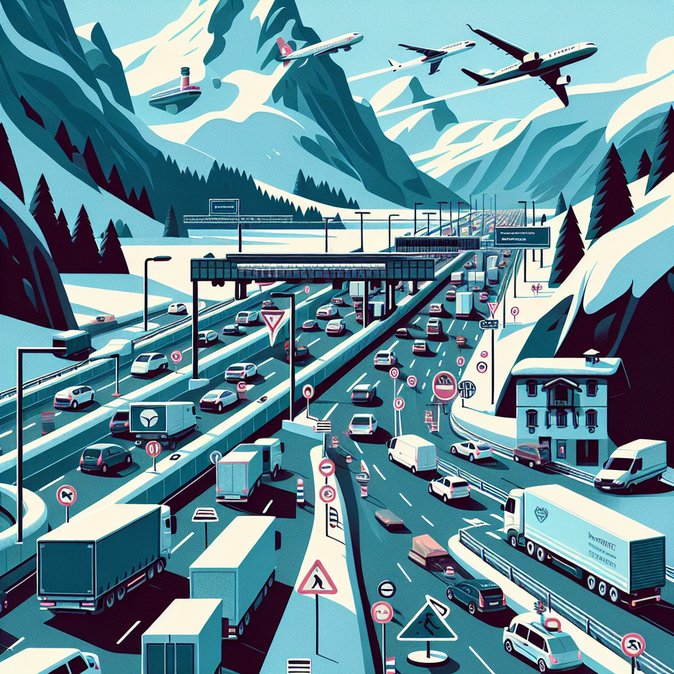
Grass-roots organisers in Austria’s Tyrolean Wipptal announced on 10 May that they will shut the entire Brenner corridor—motorway, federal highway and local roads—in both directions on Sunday, 30 May. Heavy-goods vehicles will be stopped from 09:00, all other traffic from 11:00 to 19:00. The protest targets the relentless growth of trans-Alpine traffic that, according to operator ASFINAG, has risen seven-fold since the 1960s. Although the demonstration is authorised by Austrian law, its fallout will be felt well beyond the border. The Brenner is the primary over-land route for German holidaymakers heading to Italy’s lakes and Adriatic beaches, and it is a critical freight artery for manufacturers in Bavaria and Baden-Württemberg. With the long Pfingsten weekend beginning on 29 May, mobility analysts at ADAC warn that diversion via the Fern Pass or the Tauern route could add three to five hours to south-bound journeys and create bottlenecks around Munich and Salzburg. Logistics providers such as DB Schenker are preparing contingency timetables; some just-in-time supply chains have flagged potential production stops if trucks cannot reach northern Italy on schedule. Airlines may benefit: Lufthansa and Eurowings have already reported a spike in seat searches on Munich–Verona and Stuttgart–Venice flights for the blockade period.
![Residents Plan 30 May Blockade of Brenner Pass, Threatening Pfingsten Travel from Germany to Italy]()
For travellers—especially non-EU nationals—who may need to reroute through different countries or switch to last-minute flights, understanding visa and transit requirements can be crucial. VisaHQ’s online platform (https://www.visahq.com/germany/) lets both individual passengers and corporate mobility teams quickly check entry rules, secure visas, and arrange transit documents, helping ensure that detours prompted by the Brenner closure don’t face unexpected bureaucratic delays.
The organisers say they want to force faster progress on noise barriers and demand interim truck tolls until the Brenner Base Tunnel opens—now delayed to 2032. German federal and Bavarian transport officials caution that unilateral blockades risk souring relations with Italy and could prompt tit-for-tat measures affecting German exporters. Companies with cross-border staff movements should brief travellers on alternative rail and air options and build extra lead time into shipments during the last weekend of May.

For travellers—especially non-EU nationals—who may need to reroute through different countries or switch to last-minute flights, understanding visa and transit requirements can be crucial. VisaHQ’s online platform (https://www.visahq.com/germany/) lets both individual passengers and corporate mobility teams quickly check entry rules, secure visas, and arrange transit documents, helping ensure that detours prompted by the Brenner closure don’t face unexpected bureaucratic delays.
The organisers say they want to force faster progress on noise barriers and demand interim truck tolls until the Brenner Base Tunnel opens—now delayed to 2032. German federal and Bavarian transport officials caution that unilateral blockades risk souring relations with Italy and could prompt tit-for-tat measures affecting German exporters. Companies with cross-border staff movements should brief travellers on alternative rail and air options and build extra lead time into shipments during the last weekend of May.