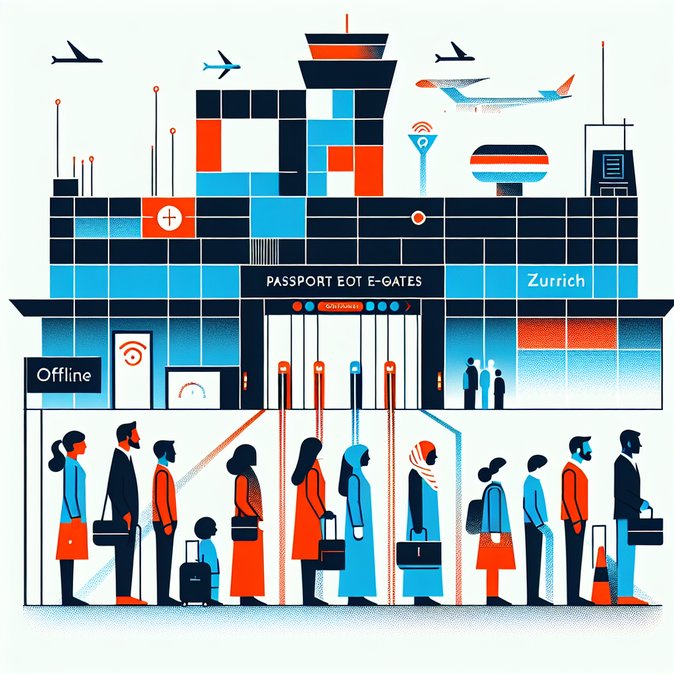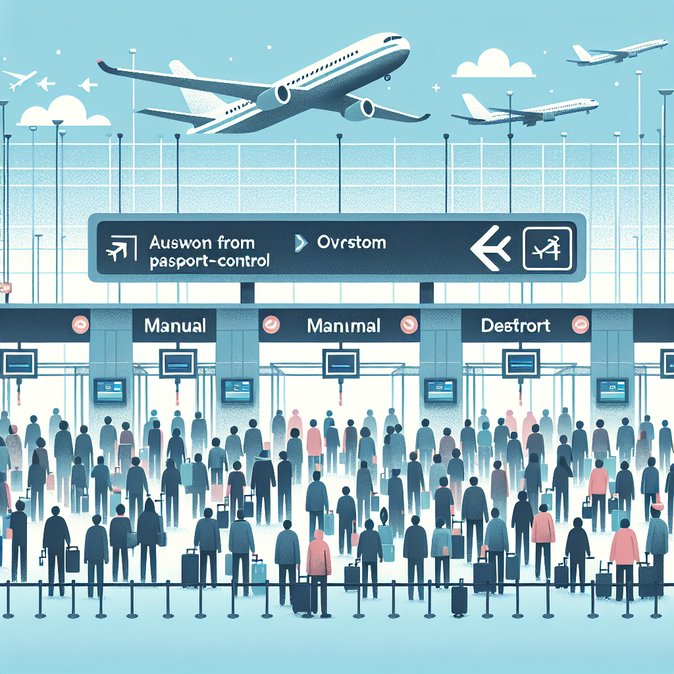
Two weeks after the European Union switched on its biometric Entry/Exit System (EES) at all external Schengen borders, real-time analytics firm Qsensor has published the first comparative data, and the numbers confirm what travellers have been feeling: the new regime is a serious time-killer at busy hubs. In Zurich (ZRH), average passport-control waits climbed 26 percent versus the pre-EES baseline, but the real pain is hidden in peak periods: the longest recorded wait for non-Schengen arrivals reached 120 minutes on 22 April when three wide-body flights landed within 20 minutes. The jump mirrors patterns at Amsterdam and Frankfurt, yet Swiss carriers are particularly exposed because Zurich relies on tight 45-minute connections to feed its long-haul banks. Swiss International Air Lines has already redeployed 40 ground-staff to “kiosk shepherd” duty and is urging corporate customers to schedule at least three-hour layovers if entering Schengen through Zurich before continuing elsewhere in Europe. EES requires every third-country traveller to provide four fingerprints and a facial scan on first entry, with subsequent crossings validated biometrically. The system eliminates manual passport stamping but shifts workload onto kiosks and border guards.
![New EU biometric border checks push Zurich waits to 120 minutes at peak, data show]()
For those still sorting out their travel paperwork, VisaHQ can smooth the process considerably. Its digital platform (https://www.visahq.com/switzerland/) walks applicants through every step of the Schengen visa application, arranges secure courier pickup of passports, and supplies live updates on new requirements like EES so that travellers hit the ground knowing exactly what to expect.
Zurich’s Border Guard Corps says it will add eight more self-service booths before the July holidays, yet acknowledges that staff shortages could limit gains. Mobility advisers should update pre-trip briefings: encourage employees to download the EU’s “Travel to Europe” app to pre-register data, build longer buffers into itineraries, and avoid critical same-day client meetings when arriving from long-haul markets. Airlines, meanwhile, face potential slot knock-ons if early-morning immigration queues spill into gate-close times.

For those still sorting out their travel paperwork, VisaHQ can smooth the process considerably. Its digital platform (https://www.visahq.com/switzerland/) walks applicants through every step of the Schengen visa application, arranges secure courier pickup of passports, and supplies live updates on new requirements like EES so that travellers hit the ground knowing exactly what to expect.
Zurich’s Border Guard Corps says it will add eight more self-service booths before the July holidays, yet acknowledges that staff shortages could limit gains. Mobility advisers should update pre-trip briefings: encourage employees to download the EU’s “Travel to Europe” app to pre-register data, build longer buffers into itineraries, and avoid critical same-day client meetings when arriving from long-haul markets. Airlines, meanwhile, face potential slot knock-ons if early-morning immigration queues spill into gate-close times.