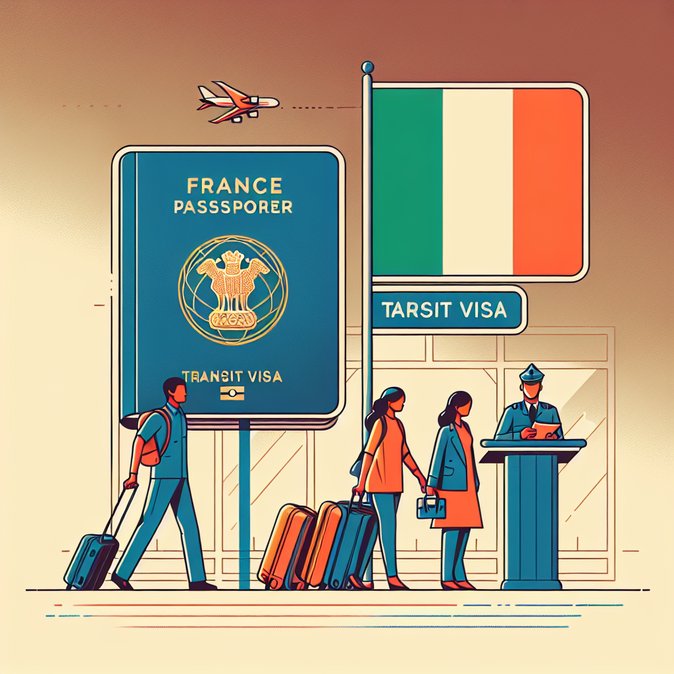
Indian passengers transiting through Paris Charles-de-Gaulle, Lyon or any other French airport will no longer need to juggle an extra “Type A” sticker. A decree published in the French Official Gazette on 9 April and operationalised on 10 April lifts the long-standing Airport Transit Visa (ATV) requirement for holders of ordinary Indian passports.
![France Scraps Airport Transit Visa for Indian Nationals]()
For travellers and corporate mobility teams who still need clarity on documentation for onward legs—or assistance securing Schengen entry permits and visas for other destinations—VisaHQ’s India portal (https://www.visahq.com/india/) provides real-time visa intelligence, streamlined application options, and concierge support that can spare passengers expensive, last-minute surprises.
The French embassy in New Delhi confirmed the measure on 23 April, framing it as a deliverable from President Emmanuel Macron’s February visit to Mumbai. Practically, the waiver applies only to air-side transfers: travellers must stay within the international transit zone and hold confirmed onward tickets to a non-Schengen destination. Entering France proper still demands a Schengen visa. Even so, the change removes a bureaucratic hurdle that routinely disrupted short-haul connections to Africa and Latin America. Business-travel managers will welcome lower lead times—an ATV used to take up to two weeks to process—and reduced costs (the fee was €80 plus VFS charges). Airlines, for their part, hope to win back India-origin traffic that progressively shifted to hubs in Doha, Istanbul and Dubai because of Schengen transit red tape. France follows Germany, which waived ATVs for Indians in January. Mobility advisers expect other Schengen states to align before the EU’s Entry/Exit System (EES) fully matures. Companies should update automated travel-approval tools to remove the French ATV checkbox and remind staff that insurance and vaccination rules for final destinations still apply.

For travellers and corporate mobility teams who still need clarity on documentation for onward legs—or assistance securing Schengen entry permits and visas for other destinations—VisaHQ’s India portal (https://www.visahq.com/india/) provides real-time visa intelligence, streamlined application options, and concierge support that can spare passengers expensive, last-minute surprises.
The French embassy in New Delhi confirmed the measure on 23 April, framing it as a deliverable from President Emmanuel Macron’s February visit to Mumbai. Practically, the waiver applies only to air-side transfers: travellers must stay within the international transit zone and hold confirmed onward tickets to a non-Schengen destination. Entering France proper still demands a Schengen visa. Even so, the change removes a bureaucratic hurdle that routinely disrupted short-haul connections to Africa and Latin America. Business-travel managers will welcome lower lead times—an ATV used to take up to two weeks to process—and reduced costs (the fee was €80 plus VFS charges). Airlines, for their part, hope to win back India-origin traffic that progressively shifted to hubs in Doha, Istanbul and Dubai because of Schengen transit red tape. France follows Germany, which waived ATVs for Indians in January. Mobility advisers expect other Schengen states to align before the EU’s Entry/Exit System (EES) fully matures. Companies should update automated travel-approval tools to remove the French ATV checkbox and remind staff that insurance and vaccination rules for final destinations still apply.