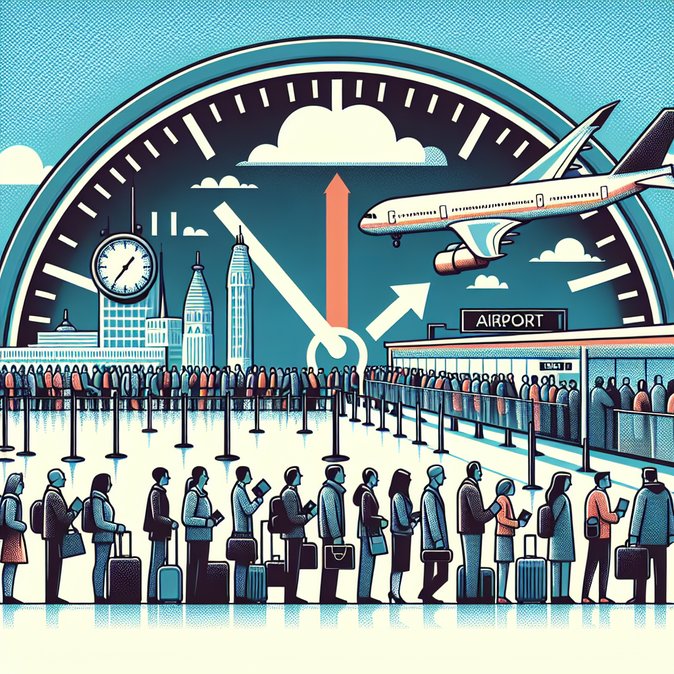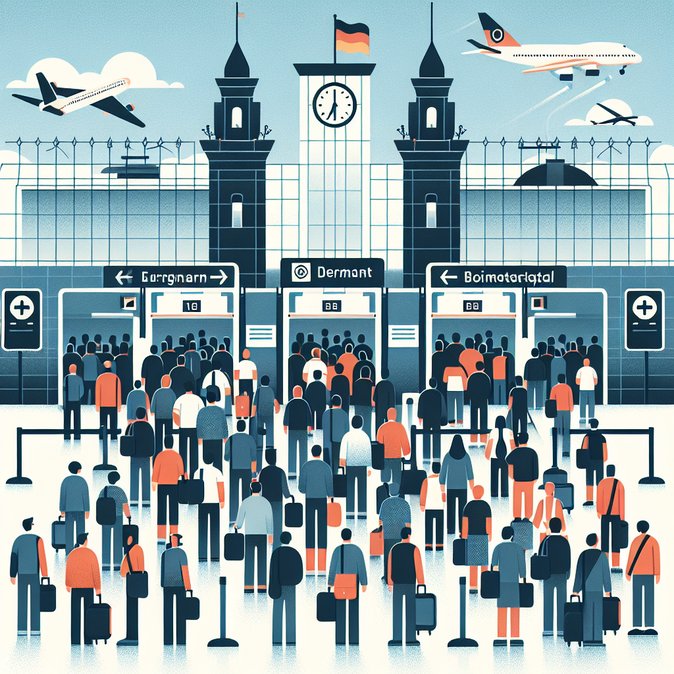
Fresh industry data published on 21 April show that more than 100 passengers were left behind by departing flights at Schengen airports last weekend because they were still waiting to complete biometric checks under the new Entry/Exit System. Although the most widely publicised incident occurred in Milan, airport associations ACI EUROPE and Airlines for Europe confirm that Frankfurt, Berlin and Hamburg also recorded flights departing with double-digit numbers of no-shows. Under current rules border officers can only partially bypass the EES—skipping fingerprints but still carrying out passport scans—once queue lengths exceed one hour.
![Schengen EES Chaos Leaves Passengers Stranded; German Airports Urged to Suspend Biometrics at Peak Times]()
For travellers who want to stay ahead of these fast-changing border-control requirements, VisaHQ’s Germany portal (https://www.visahq.com/germany/) provides real-time updates on EES procedures, visa regulations and expedited documentation services, giving both corporate travel planners and individual passengers practical tools to minimise disruption at the airport.
The aviation lobby now wants Germany and other member states to restore the option of a full suspension during peak summer dates, arguing that a system designed for security must not undermine the bloc’s connectivity. Germany’s Interior Ministry responded in a press briefing that it is “monitoring throughput” and will consider “operational flexibilities” if average processing time does not fall below 90 seconds per traveller by mid-May. In the meantime, some carriers are proactively delaying push-back to allow additional boarding time. Travel managers should expect rolling gate changes and advise employees to arrive at the airport at least 3½ hours before departure until further notice. The episode underlines the growing pains of Europe’s smart-border project and its real-world cost for businesses that rely on tight schedules. Companies relocating staff through German hubs may want to prioritise rail connections onward within Europe or book longer connection windows until biometric teething troubles are resolved.
For travellers who want to stay ahead of these fast-changing border-control requirements, VisaHQ’s Germany portal (https://www.visahq.com/germany/) provides real-time updates on EES procedures, visa regulations and expedited documentation services, giving both corporate travel planners and individual passengers practical tools to minimise disruption at the airport.
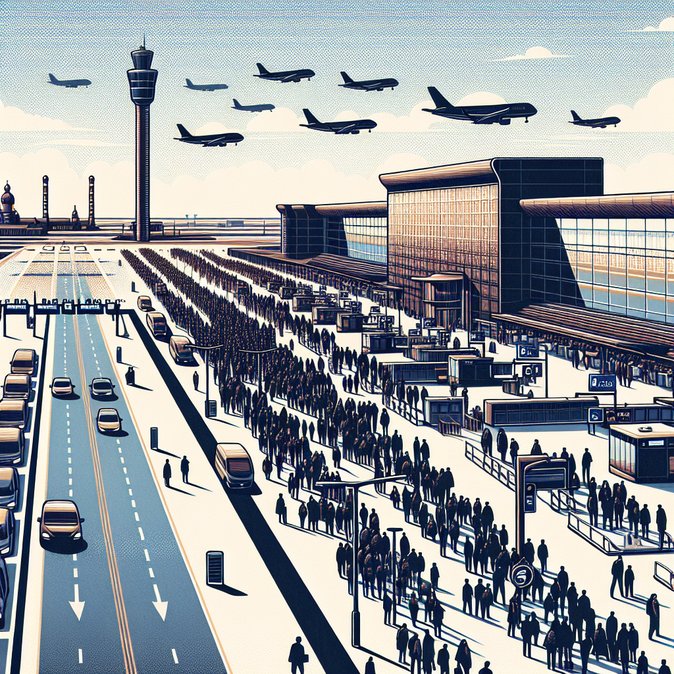
The aviation lobby now wants Germany and other member states to restore the option of a full suspension during peak summer dates, arguing that a system designed for security must not undermine the bloc’s connectivity. Germany’s Interior Ministry responded in a press briefing that it is “monitoring throughput” and will consider “operational flexibilities” if average processing time does not fall below 90 seconds per traveller by mid-May. In the meantime, some carriers are proactively delaying push-back to allow additional boarding time. Travel managers should expect rolling gate changes and advise employees to arrive at the airport at least 3½ hours before departure until further notice. The episode underlines the growing pains of Europe’s smart-border project and its real-world cost for businesses that rely on tight schedules. Companies relocating staff through German hubs may want to prioritise rail connections onward within Europe or book longer connection windows until biometric teething troubles are resolved.