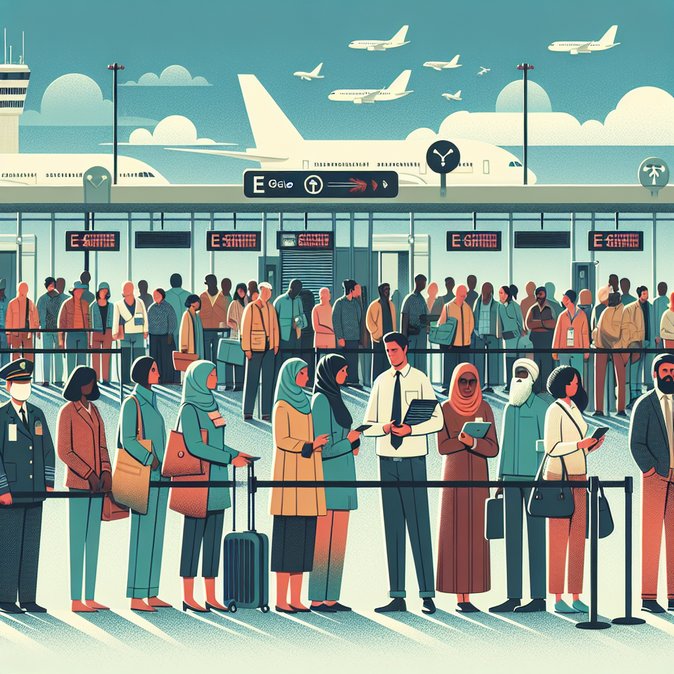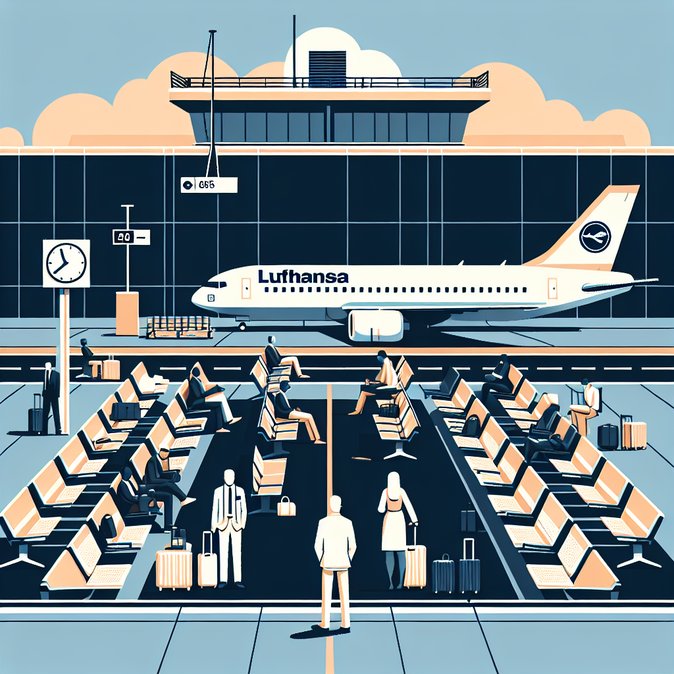
After seven consecutive days of industrial action, Lufthansa reached a tentative pay deal with its pilot and cabin-crew unions late Sunday—but not before the walk-outs wreaked havoc on hub operations and passenger itineraries. Between 13 and 19 April the airline cancelled roughly 75–90 percent of daily services, wiping more than 3,200 flights from the schedule. The disruption was most acute on long-haul routes to West Africa, where Lufthansa is often the sole daily carrier linking cities such as Lagos and Abuja with Europe. Passenger-rights groups in Germany report that hundreds of Nigerian travellers were marooned in the transfer areas of Frankfurt and Munich for up to 48 hours as replacement seats on other carriers quickly sold out. The situation was exacerbated by Lufthansa’s simultaneous decision to wind down its regional subsidiary CityLine, grounding 27 CRJ-900 jets that normally feed long-haul departures. Without those feeder flights, rebooked passengers frequently found their replacement connections collapsing a second time when the domestic or intra-EU leg disappeared. Under EU Regulation 261/2004, strikes can qualify as an “extraordinary circumstance,” removing the airline’s obligation to pay cash compensation, but duty-of-care obligations—meals, hotel rooms and re-routing—still apply. Consumer watchdogs say overwhelmed airport staff left many travellers to arrange accommodation at their own expense.
![Lufthansa Strike Leaves West-African Travellers Stranded at Frankfurt and Munich]()
Travellers scrambling to re-route via alternate hubs should also verify any additional visa or transit requirements ahead of departure. VisaHQ’s Germany office (https://www.visahq.com/germany/) can fast-track Schengen, Turkish, or transit visas on short notice and advise corporate travel managers on multi-country itineraries, helping passengers avoid further delays while Lufthansa’s schedule stabilises.
Mobility managers with personnel assigned to Nigeria are therefore urging staff to retain receipts and to pursue reimbursement once Lufthansa’s claims portal stabilises. From a strategic standpoint, the strike underscores the vulnerability of Germany’s hub-and-spoke model to labour unrest. Corporations that rely on Frankfurt or Munich as gateways to Africa may need to diversify routings via Paris, Istanbul or the Gulf carriers, even if that lengthens journey times. The episode also strengthens calls within Germany’s business community for binding arbitration mechanisms that would minimise future walk-outs at critical infrastructure providers. Although operations began returning to normal on 20 April, analysts warn that the combined hit from lost revenue, passenger compensation and brand damage could exceed €200 million. With CityLine’s closure reducing short-haul capacity permanently, Lufthansa’s network resilience—and Germany’s connectivity—may remain under pressure well into the summer.
Travellers scrambling to re-route via alternate hubs should also verify any additional visa or transit requirements ahead of departure. VisaHQ’s Germany office (https://www.visahq.com/germany/) can fast-track Schengen, Turkish, or transit visas on short notice and advise corporate travel managers on multi-country itineraries, helping passengers avoid further delays while Lufthansa’s schedule stabilises.
Mobility managers with personnel assigned to Nigeria are therefore urging staff to retain receipts and to pursue reimbursement once Lufthansa’s claims portal stabilises. From a strategic standpoint, the strike underscores the vulnerability of Germany’s hub-and-spoke model to labour unrest. Corporations that rely on Frankfurt or Munich as gateways to Africa may need to diversify routings via Paris, Istanbul or the Gulf carriers, even if that lengthens journey times. The episode also strengthens calls within Germany’s business community for binding arbitration mechanisms that would minimise future walk-outs at critical infrastructure providers. Although operations began returning to normal on 20 April, analysts warn that the combined hit from lost revenue, passenger compensation and brand damage could exceed €200 million. With CityLine’s closure reducing short-haul capacity permanently, Lufthansa’s network resilience—and Germany’s connectivity—may remain under pressure well into the summer.