Germany’s largest airports were thrown into turmoil this weekend as the European Union’s new biometric Entry/Exit System (EES) went fully live on 10 April.
![Schengen Entry/Exit System Chaos Causes Multi-Hour Queues at German Airports]()
Travellers who want to minimise airport stress can use VisaHQ’s online service to make sure every document—from Schengen visas to passport validity—meets German border requirements before departure. The company’s Germany portal (https://www.visahq.com/germany/) breaks down EES procedures, offers real-time regulation updates, and streamlines paperwork so non-EU visitors can focus on the trip instead of the queue.
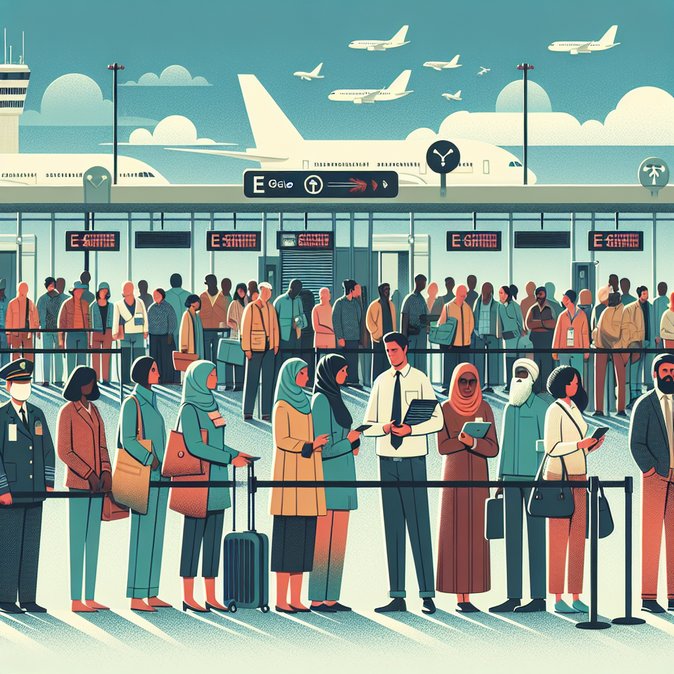
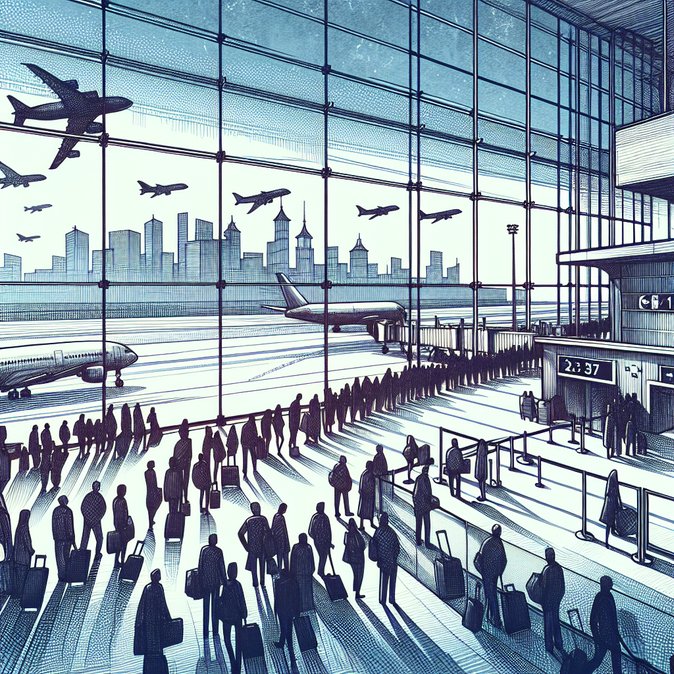
Although the technology is designed to tighten external-border security and eventually speed up processing, the first major holiday rush since activation exposed painful teething problems. At Frankfurt, Munich and Berlin-Brandenburg, non-EU travellers reported waits of two-to-three hours at passport control, with lines snaking deep into duty-free malls and, at times, out of the primary arrivals halls. Under EES, every non-EU traveller must register four fingerprints and a high-resolution facial image the first time they enter the Schengen Area. Border-police unions have long warned that Germany lacks the staffing and kiosks to cope with peak volumes. Those forecasts proved accurate over the Easter break: several wide-body arrivals landed within minutes of each other, overwhelming the limited self-service booths. Airline ground handlers told the press they counted more than 1,800 missed connections over the 12-day period, forcing carriers to rebook passengers and provide hotel rooms at considerable cost. Airports Council International (ACI) Europe and Airlines for Europe (A4E) are lobbying Brussels to allow member states to suspend biometric capture temporarily when queues exceed 60 minutes. Berlin, however, insists the system will stabilise as travellers build a biometric “file” and repeat entries become touch-and-go. In the short term, Frankfurt Airport operator Fraport says it is opening overflow control booths, while Lufthansa has extended minimum connection times from 45 to 90 minutes on long-haul itineraries that connect in Germany. For business-travel planners the implications are serious. Until further notice, mobility managers are advising staff to arrive at German gateways at least four hours before departure and to book intra-Schengen connections with cushions of three hours or more. Firms that depend on just-in-time movement of technicians and sales teams into Germany may need to stagger arrival days or use smaller regional airports where EES traffic is lighter. Longer term, German authorities expect to hire an additional 900 federal police officers and install 250 extra e-gates before the busy summer season. Whether that will be enough to avoid a repeat of this weekend’s scenes remains an open—and politically sensitive—question as Germany seeks to balance security with its reputation for efficiency.
Travellers who want to minimise airport stress can use VisaHQ’s online service to make sure every document—from Schengen visas to passport validity—meets German border requirements before departure. The company’s Germany portal (https://www.visahq.com/germany/) breaks down EES procedures, offers real-time regulation updates, and streamlines paperwork so non-EU visitors can focus on the trip instead of the queue.
Although the technology is designed to tighten external-border security and eventually speed up processing, the first major holiday rush since activation exposed painful teething problems. At Frankfurt, Munich and Berlin-Brandenburg, non-EU travellers reported waits of two-to-three hours at passport control, with lines snaking deep into duty-free malls and, at times, out of the primary arrivals halls. Under EES, every non-EU traveller must register four fingerprints and a high-resolution facial image the first time they enter the Schengen Area. Border-police unions have long warned that Germany lacks the staffing and kiosks to cope with peak volumes. Those forecasts proved accurate over the Easter break: several wide-body arrivals landed within minutes of each other, overwhelming the limited self-service booths. Airline ground handlers told the press they counted more than 1,800 missed connections over the 12-day period, forcing carriers to rebook passengers and provide hotel rooms at considerable cost. Airports Council International (ACI) Europe and Airlines for Europe (A4E) are lobbying Brussels to allow member states to suspend biometric capture temporarily when queues exceed 60 minutes. Berlin, however, insists the system will stabilise as travellers build a biometric “file” and repeat entries become touch-and-go. In the short term, Frankfurt Airport operator Fraport says it is opening overflow control booths, while Lufthansa has extended minimum connection times from 45 to 90 minutes on long-haul itineraries that connect in Germany. For business-travel planners the implications are serious. Until further notice, mobility managers are advising staff to arrive at German gateways at least four hours before departure and to book intra-Schengen connections with cushions of three hours or more. Firms that depend on just-in-time movement of technicians and sales teams into Germany may need to stagger arrival days or use smaller regional airports where EES traffic is lighter. Longer term, German authorities expect to hire an additional 900 federal police officers and install 250 extra e-gates before the busy summer season. Whether that will be enough to avoid a repeat of this weekend’s scenes remains an open—and politically sensitive—question as Germany seeks to balance security with its reputation for efficiency.