Trade bodies ABTA and Airlines UK have issued their starkest alert yet over the European Union’s new Entry-Exit System (EES), warning on 3 June that UK passport-holders faced queues of “well over an hour” during the May half-term getaway and that summer disruption could be worse unless Brussels pauses enforcement. In an open letter re-published on ABTA’s news site after first appearing in Travel Weekly, chief executives Mark Tanzer and Tim Alderslade call for contingency waivers so that border officers can revert to stamping passports if the biometric kiosks fail.
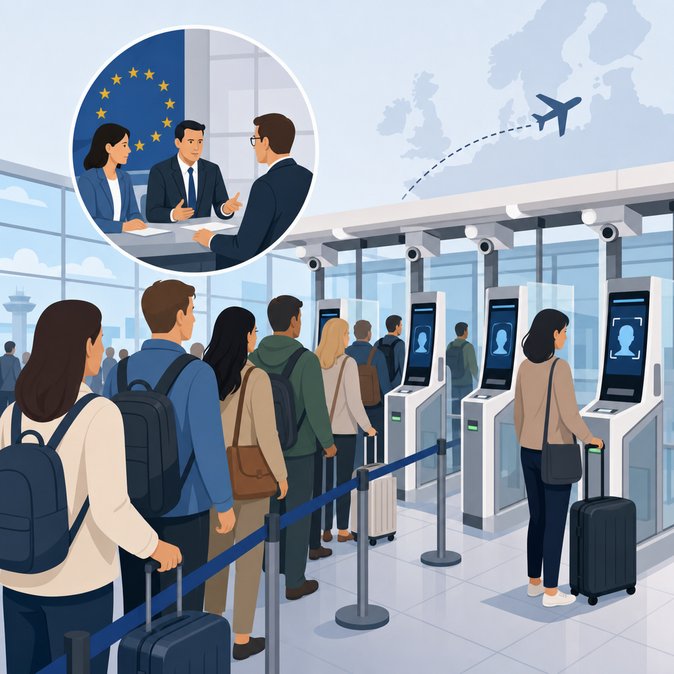
Since 10 April the EES has required third-country nationals—including Britons—to provide four fingerprints and a facial scan on first entry to the Schengen Area. Airlines are reporting that families unfamiliar with the process are taking two to three minutes each at kiosks, creating downstream congestion at boarding-gate border checks.
Amid this uncertainty, many travellers are turning to specialist visa and passport services for up-to-date guidance. VisaHQ, whose UK portal (https://www.visahq.com/united-kingdom/) tracks entry requirements in real time, can clarify whether your upcoming trip will be affected by EES roll-outs, help you prepare the right documents, and even expedite ancillary visas for multi-country itineraries—saving valuable time at the border.
![Travel trade warns of hour-long delays as EU Entry-Exit System hits UK holidaymakers]()
French airports and the Port of Dover have installed extra kiosks, but operators say they are already running at capacity during peak sailings. The travel industry fears a repeat of Easter 2023, when coaches waited 14 hours for French controls, only now the queues could move landside into cramped ferry terminals and rail stations.
ABTA is urging the UK government to push the European Commission for a formal performance review before the July school holidays.
In parallel, the Department for Transport is drafting guidance for carriers on how to brief passengers pre-departure and how to manage missed connections within EU261 compensation rules.
Corporate travel managers should expect longer minimum connection times on Eurostar, Dover–Calais freight and hub airport itineraries. Advisories recommend allowing at least three hours between arrival and onward travel within the EU until throughput stabilises.
Since 10 April the EES has required third-country nationals—including Britons—to provide four fingerprints and a facial scan on first entry to the Schengen Area. Airlines are reporting that families unfamiliar with the process are taking two to three minutes each at kiosks, creating downstream congestion at boarding-gate border checks.
Amid this uncertainty, many travellers are turning to specialist visa and passport services for up-to-date guidance. VisaHQ, whose UK portal (https://www.visahq.com/united-kingdom/) tracks entry requirements in real time, can clarify whether your upcoming trip will be affected by EES roll-outs, help you prepare the right documents, and even expedite ancillary visas for multi-country itineraries—saving valuable time at the border.
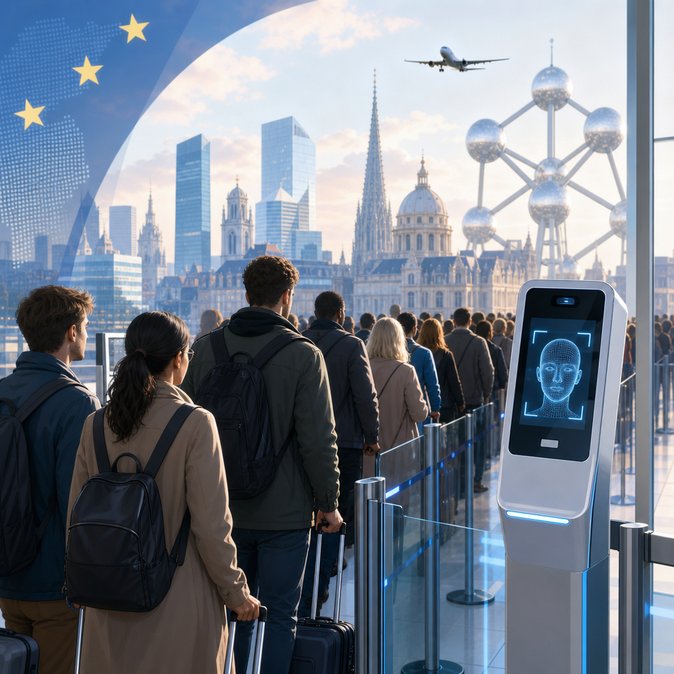
French airports and the Port of Dover have installed extra kiosks, but operators say they are already running at capacity during peak sailings. The travel industry fears a repeat of Easter 2023, when coaches waited 14 hours for French controls, only now the queues could move landside into cramped ferry terminals and rail stations.
ABTA is urging the UK government to push the European Commission for a formal performance review before the July school holidays.
In parallel, the Department for Transport is drafting guidance for carriers on how to brief passengers pre-departure and how to manage missed connections within EU261 compensation rules.
Corporate travel managers should expect longer minimum connection times on Eurostar, Dover–Calais freight and hub airport itineraries. Advisories recommend allowing at least three hours between arrival and onward travel within the EU until throughput stabilises.