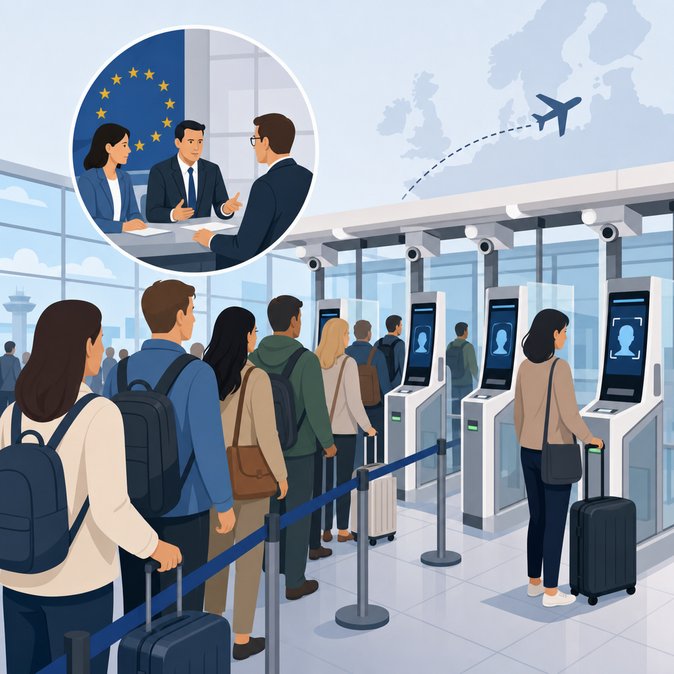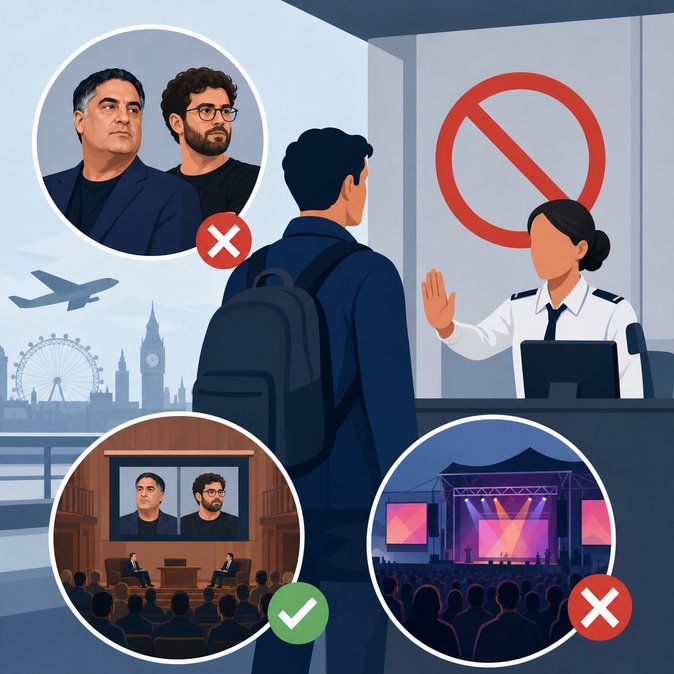
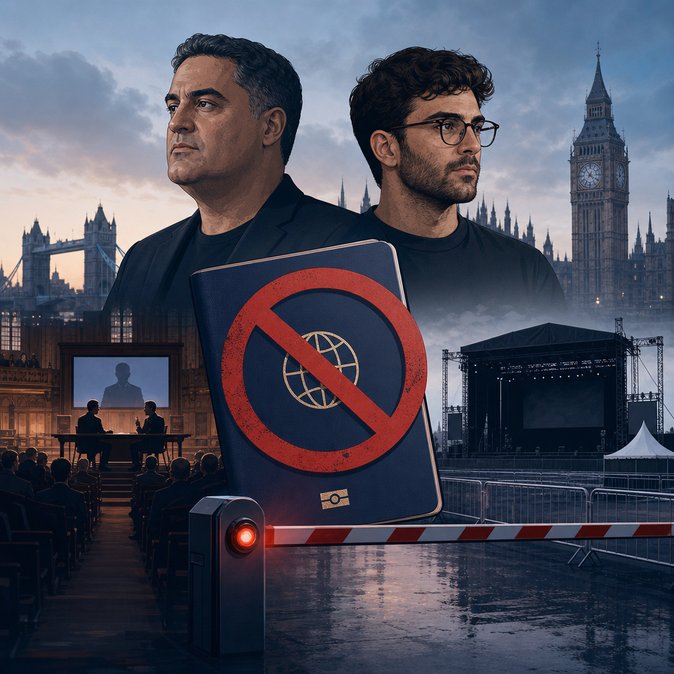
Free-speech controversy flared on 3 June when The Guardian revealed that left-wing American broadcasters Cenk Uygur and Hasan Piker were refused entry to the United Kingdom after their Electronic Travel Authorisations (ETAs) were revoked at short notice. The pair had been due to appear at SXSW London and to debate at the Oxford Union this weekend, but the Home Office judged their presence “not conducive to the public good.”
![Home Office bars two US commentators from UK; Oxford Union switches to remote address]()
Professionals who need certainty when arranging ETAs might benefit from using a service such as VisaHQ, which provides up-to-date guidance on UK entry requirements, helps applicants spot red flags before submission, and offers expedited processing support; see https://www.visahq.com/united-kingdom/ for details.
Both men have been outspoken critics of Israeli policy; officials declined to cite specific remarks but confirmed that intelligence and character references were weighed. Faced with the exclusion, the Oxford Union moved quickly to preserve the event’s line-up, announcing that Uygur and Piker will now join via livestream. President Arwa Elrayess stressed that the 200-year-old debating society has “never sought a permission slip from the state” to host controversial views and warned that the decision sets a precedent for ideological vetting of speakers. SXSW London, by contrast, opted not to offer a virtual alternative, illustrating how entry refusals can disrupt high-profile business and cultural gatherings. For conference organisers and multinational firms, the episode is a reminder that ETA approval—though largely automated—remains discretionary and can be withdrawn even after boarding passes are issued. Mobility teams are advised to keep contingency plans (virtual participation, secondary speakers) and to brief US travellers that UK border staff can interrogate social-media activity under Schedule 7 of the Terrorism Act. The case also highlights the government’s broader shift toward using immigration powers to police extremism: 32 exclusion orders have been signed since January, compared with 19 in the whole of 2025. Organisations booking overseas talent should therefore conduct reputational due diligence well before marketing appearances.
Professionals who need certainty when arranging ETAs might benefit from using a service such as VisaHQ, which provides up-to-date guidance on UK entry requirements, helps applicants spot red flags before submission, and offers expedited processing support; see https://www.visahq.com/united-kingdom/ for details.
Both men have been outspoken critics of Israeli policy; officials declined to cite specific remarks but confirmed that intelligence and character references were weighed. Faced with the exclusion, the Oxford Union moved quickly to preserve the event’s line-up, announcing that Uygur and Piker will now join via livestream. President Arwa Elrayess stressed that the 200-year-old debating society has “never sought a permission slip from the state” to host controversial views and warned that the decision sets a precedent for ideological vetting of speakers. SXSW London, by contrast, opted not to offer a virtual alternative, illustrating how entry refusals can disrupt high-profile business and cultural gatherings. For conference organisers and multinational firms, the episode is a reminder that ETA approval—though largely automated—remains discretionary and can be withdrawn even after boarding passes are issued. Mobility teams are advised to keep contingency plans (virtual participation, secondary speakers) and to brief US travellers that UK border staff can interrogate social-media activity under Schedule 7 of the Terrorism Act. The case also highlights the government’s broader shift toward using immigration powers to police extremism: 32 exclusion orders have been signed since January, compared with 19 in the whole of 2025. Organisations booking overseas talent should therefore conduct reputational due diligence well before marketing appearances.