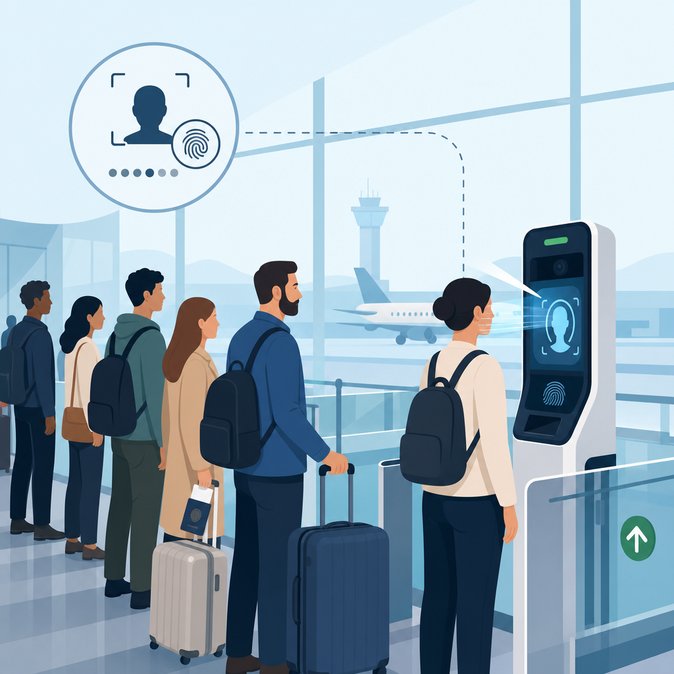
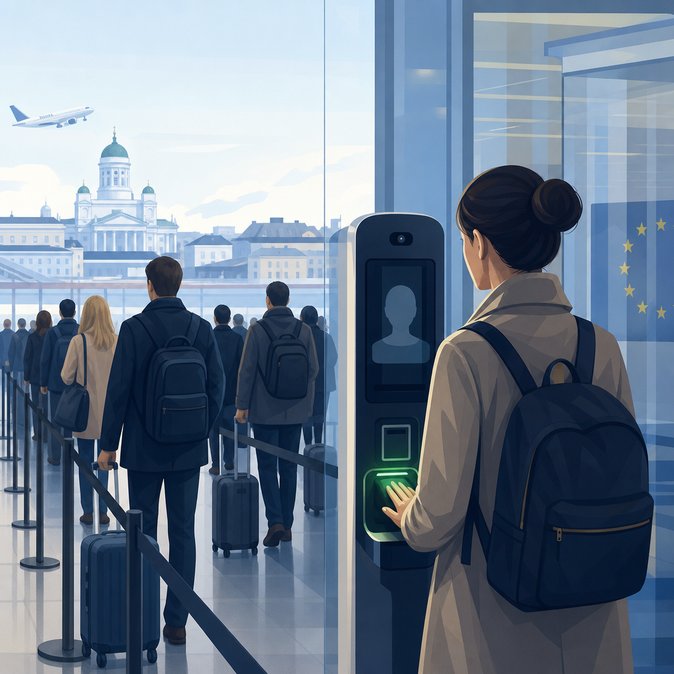
Just eight weeks after the European Union’s Entry/Exit System (EES) became mandatory for carriers, travel trade outlet ItaliaAbsolutely reports mounting queues at several Schengen external-border airports on 2 June—including Helsinki-Vantaa, where morning peak wait times briefly exceeded 50 minutes at the manual booths reserved for first-time third-country entrants. While automated gates processed most biometric-passport holders in under five minutes, families from the United Kingdom, United States and India queued to have fingerprints and facial images captured for the new database. The Finnish Border Guard confirmed to local media that the delays coincided with the arrival of three wide-body flights from Asia and North America within the same 30-minute window. Officers were redeployed from domestic terminals to relieve pressure, but the agency nevertheless advised non-EU travellers to arrive at least three hours before departure during the summer season. For employers relocating staff to Finland the early teething problems highlight the importance of educating assignees about EES registration. Once the initial biometric enrolment is complete, subsequent trips can be made through the self-service kiosks that Finavia installed last October, but first-timers should expect a longer manual process.
![EU Entry/Exit System Causes First-Week Queues—Finnish Border Guard Urges Early Arrival]()
Companies that would rather not leave compliance to chance can tap VisaHQ’s Finland portal (https://www.visahq.com/finland/) for step-by-step guidance on Schengen visa paperwork, EES enrolment tips and even concierge submission services—useful perks for HR teams moving talent under tight timelines.
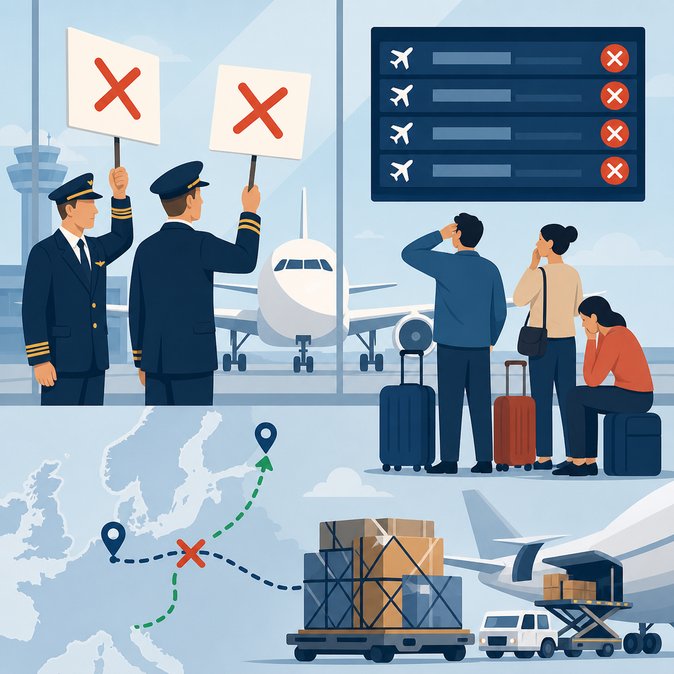
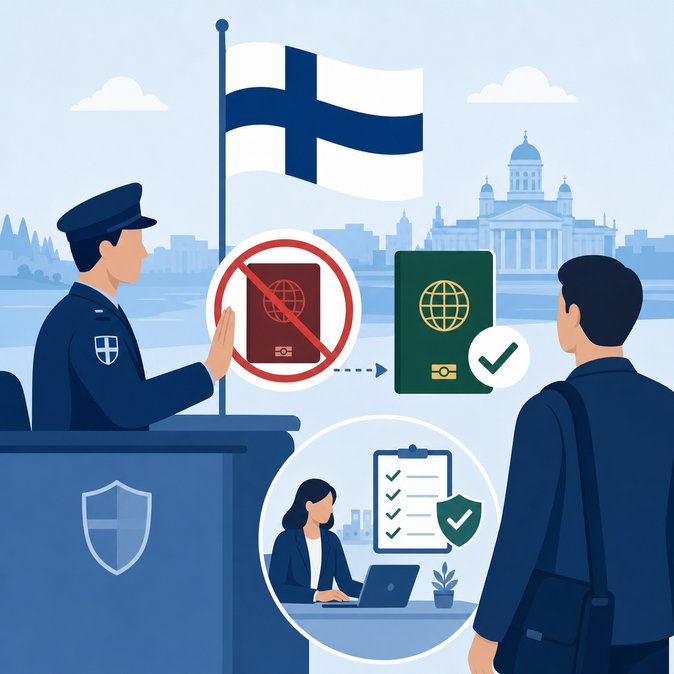
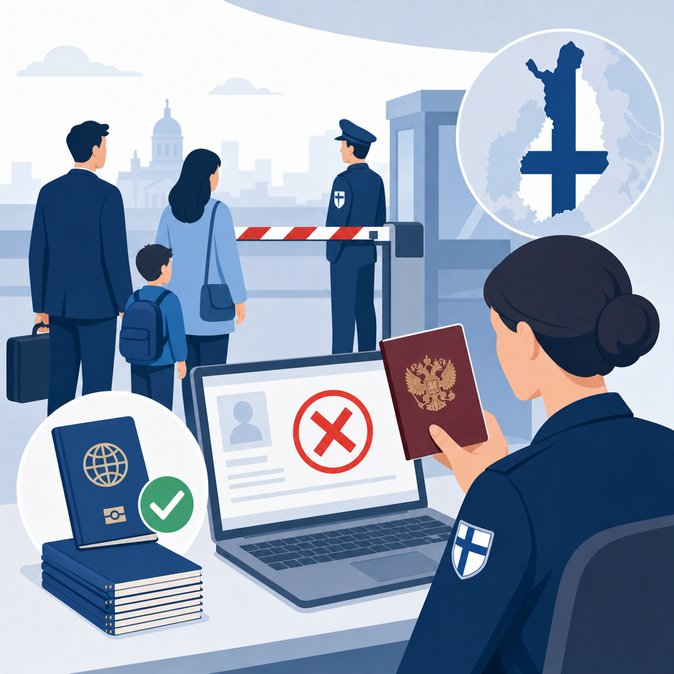
HR teams should also build extra buffer time into ‘first working day’ calculations when scheduling bank appointments, apartment viewings and local-registration visits. Carriers are under legal obligation—since 10 April 2026—to run a pre-departure EES check on every non-EU passenger. Lufthansa’s ongoing pilot strike strained that system on Tuesday, as overnight re-bookings forced check-in agents to run last-minute queries on large volumes of passengers in Helsinki and other Nordic capitals. According to the European Commission, more than 24 000 travellers have already been refused entry across the bloc because of mismatched data or overstays flagged by the new platform. Finavia says it will publish real-time queue-length data on its website ahead of the July holiday peak. In the meantime, business travellers should carry print-outs of employment letters and accommodation bookings to avoid secondary screening and make sure their passport has at least two blank pages: border officers must add a physical ‘EES enrolled’ sticker if the chip scan fails.
Companies that would rather not leave compliance to chance can tap VisaHQ’s Finland portal (https://www.visahq.com/finland/) for step-by-step guidance on Schengen visa paperwork, EES enrolment tips and even concierge submission services—useful perks for HR teams moving talent under tight timelines.
HR teams should also build extra buffer time into ‘first working day’ calculations when scheduling bank appointments, apartment viewings and local-registration visits. Carriers are under legal obligation—since 10 April 2026—to run a pre-departure EES check on every non-EU passenger. Lufthansa’s ongoing pilot strike strained that system on Tuesday, as overnight re-bookings forced check-in agents to run last-minute queries on large volumes of passengers in Helsinki and other Nordic capitals. According to the European Commission, more than 24 000 travellers have already been refused entry across the bloc because of mismatched data or overstays flagged by the new platform. Finavia says it will publish real-time queue-length data on its website ahead of the July holiday peak. In the meantime, business travellers should carry print-outs of employment letters and accommodation bookings to avoid secondary screening and make sure their passport has at least two blank pages: border officers must add a physical ‘EES enrolled’ sticker if the chip scan fails.