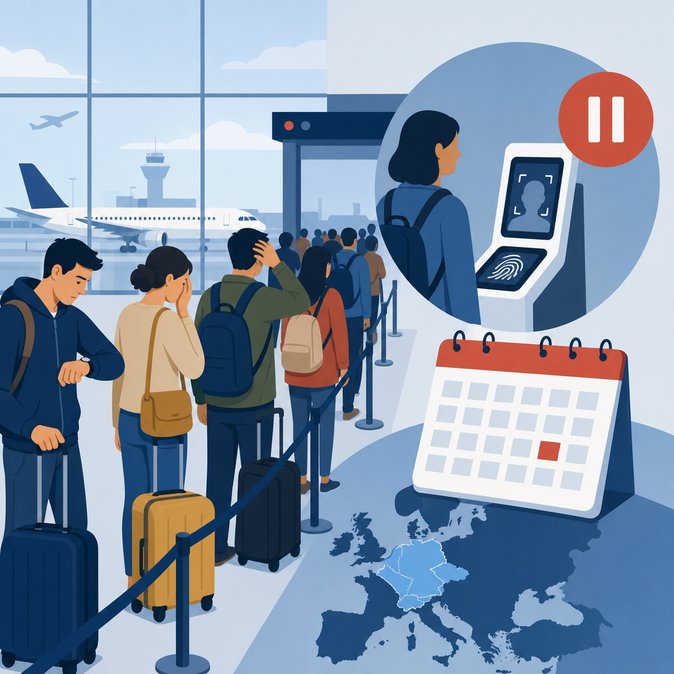
The long-delayed European Travel Information and Authorisation System (ETIAS) – often dubbed the EU’s “euro-ESTA” – will not become compulsory for UK, US and other visa-exempt nationals before April 2027, travel expert Simon Calder reported on 28 May. Brussels has tied the launch of ETIAS to the successful bedding-in of the biometric Entry/Exit System (EES). Although France switched over to full EES processing on 10 April 2026, the wider Schengen network is still grappling with equipment failures and staffing gaps, leading to queues at some airports and the Port of Dover. The European Commission therefore insists on at least a six-month “transitional” and six-month “grace” period once ETIAS goes live, pushing any legal obligation for travellers well into 2027. For mobility programmes this buys precious time. Companies relocating staff to France can keep using existing passport-only entry for short stays through next year, but HR departments should begin budgeting for the €20 fee and the extra data collection ETIAS requires (job title, first night’s address, security questions).
![EU Confirms ETIAS Won’t Be Mandatory Before 2027 as France Finalises EES Roll-Out]()
If you’re unsure how these upcoming changes affect your team’s mobility plans, VisaHQ’s France portal (https://www.visahq.com/france/) offers an up-to-date overview of ETIAS developments and can streamline the application process when the system finally launches, guiding travellers and corporate travel managers alike through every step.
Travel providers should also audit their booking flows so that ETIAS numbers can be captured alongside passport data once carriers make the field mandatory. French border police have already indicated they will integrate ETIAS checks into their new PARAFE e-gate software, meaning that once the switch is flipped, passengers without a valid authorisation could be blocked automatically. Early registration trials are planned at Paris-CDG and Lyon-Saint-Exupéry in Q4 2026. Key practical takeaway: multinational firms should start mapping which traveller populations (interns, frequent flyers, contractors) will be classed as “third-country visa-free” and therefore need the new permit, and should communicate the later-than-expected deadline to avoid confusion.
If you’re unsure how these upcoming changes affect your team’s mobility plans, VisaHQ’s France portal (https://www.visahq.com/france/) offers an up-to-date overview of ETIAS developments and can streamline the application process when the system finally launches, guiding travellers and corporate travel managers alike through every step.
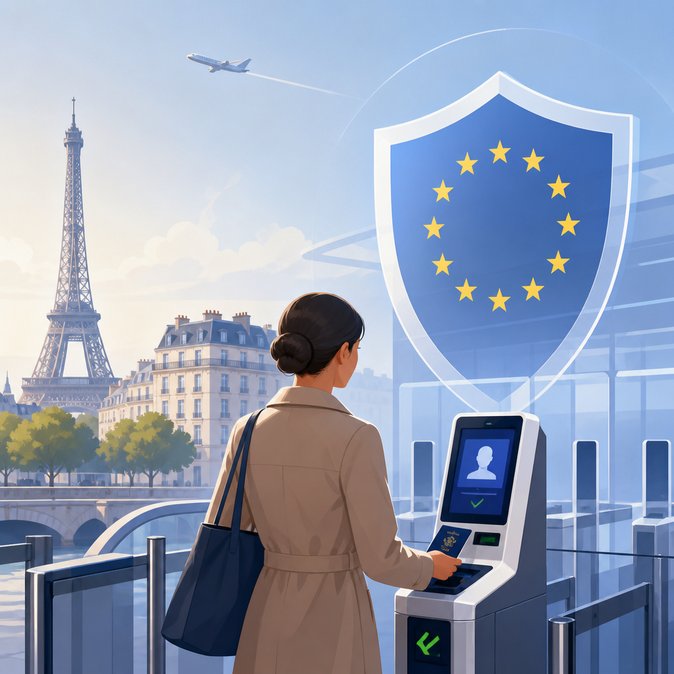
Travel providers should also audit their booking flows so that ETIAS numbers can be captured alongside passport data once carriers make the field mandatory. French border police have already indicated they will integrate ETIAS checks into their new PARAFE e-gate software, meaning that once the switch is flipped, passengers without a valid authorisation could be blocked automatically. Early registration trials are planned at Paris-CDG and Lyon-Saint-Exupéry in Q4 2026. Key practical takeaway: multinational firms should start mapping which traveller populations (interns, frequent flyers, contractors) will be classed as “third-country visa-free” and therefore need the new permit, and should communicate the later-than-expected deadline to avoid confusion.