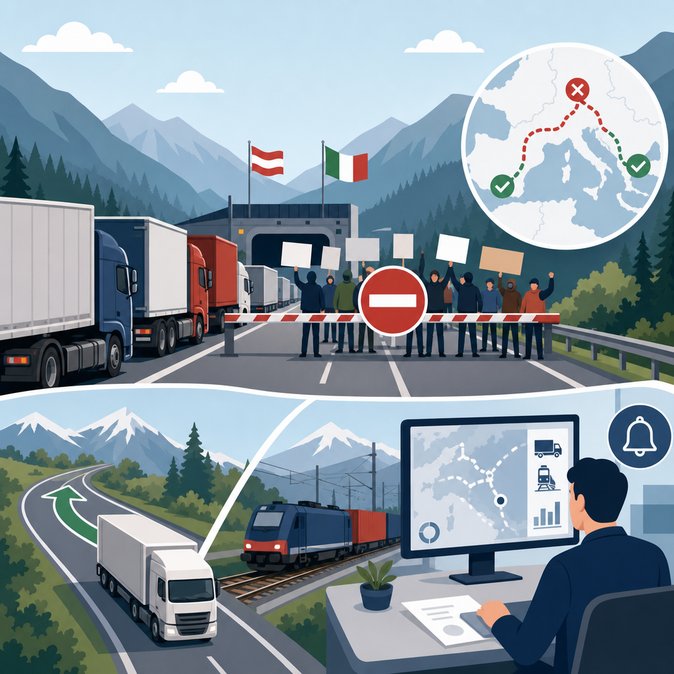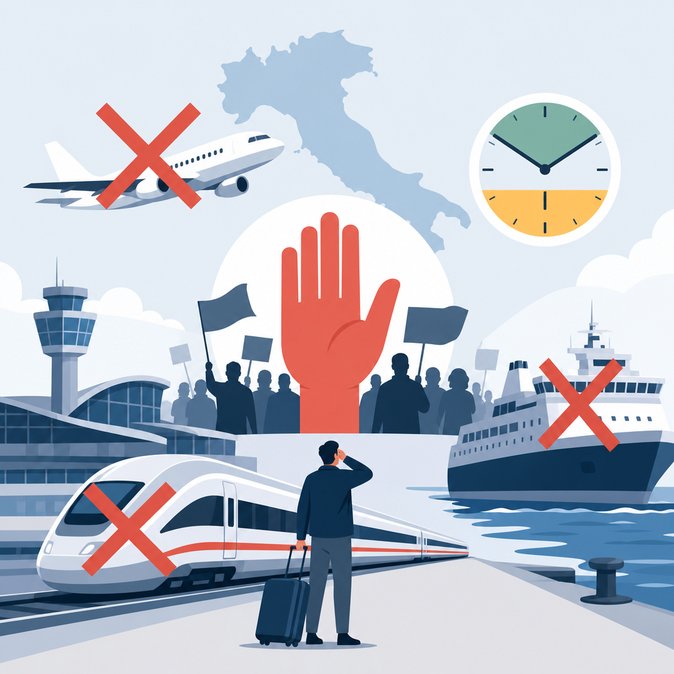
Italian unions USB, Si Cobas, CUB Trasporti, SGB and USI-CIT have called a 24-hour political general strike for Friday 29 May 2026, pulling out air-transport and ground-handling staff at every major airport from midnight to midnight. ENAC, the civil-aviation regulator, has issued its protected-services order under Law 146/1990, but only flights departing inside two windows—07:00-10:00 and 18:00-21:00—are guaranteed to operate. Airlines are already trimming schedules.
![Nation-Wide General Strike on 29 May to Ground Most Flights Across Italy]()
VisaHQ can help mitigate disruption by providing fast, digital visa and transit-permit services for any rerouted journeys; through its Italy hub (https://www.visahq.com/italy/) travelers can verify entry rules for nearby hubs like Switzerland, Germany or France and file applications in minutes, keeping itineraries compliant if detours become necessary.
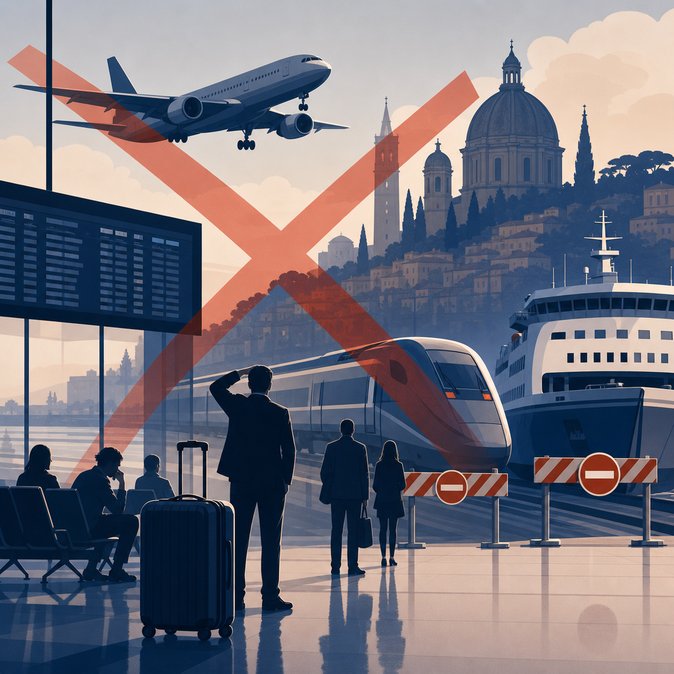
During an eight-hour strike on 11 May, ITA Airways cancelled 38 % of flights; this time the action is broader and coincides with rail, ferry and local-transport stoppages, wiping out most ground-based alternatives. Protected long-haul departures such as Delta’s Milan-JFK and Emirates’ Milan-Dubai will still leave, but onward domestic legs may not, exposing connecting passengers to missed flights and forced overnights. Because the walk-out is categorised as an “extraordinary circumstance,” EC 261 cash compensation will not apply. Airlines must, however, rebook passengers and provide meals and hotels where necessary. Travel-risk consultants advise corporates to reroute critical personnel via Zurich, Munich or Nice, or to shift meetings online; rail workers will be on strike from 21:00 on 28 May, ruling out contingency train travel. Corporate mobility managers should audit itineraries departing Italy between 28 and 30 May, prioritising travellers booked outside the protected windows. Credit-card trip-interruption insurance may cover non-refundable costs, but only if policies list strikes as covered events. For assignees moving household goods, road-haulage disruptions could also delay freight clearances at ports and airports. The strike underscores Italy’s ongoing labour tensions over economic policy. With summer peak-season approaching, further industrial action cannot be ruled out; multinationals with large Italian workforces should monitor union notices and build strike clauses into mobility policies.
VisaHQ can help mitigate disruption by providing fast, digital visa and transit-permit services for any rerouted journeys; through its Italy hub (https://www.visahq.com/italy/) travelers can verify entry rules for nearby hubs like Switzerland, Germany or France and file applications in minutes, keeping itineraries compliant if detours become necessary.
During an eight-hour strike on 11 May, ITA Airways cancelled 38 % of flights; this time the action is broader and coincides with rail, ferry and local-transport stoppages, wiping out most ground-based alternatives. Protected long-haul departures such as Delta’s Milan-JFK and Emirates’ Milan-Dubai will still leave, but onward domestic legs may not, exposing connecting passengers to missed flights and forced overnights. Because the walk-out is categorised as an “extraordinary circumstance,” EC 261 cash compensation will not apply. Airlines must, however, rebook passengers and provide meals and hotels where necessary. Travel-risk consultants advise corporates to reroute critical personnel via Zurich, Munich or Nice, or to shift meetings online; rail workers will be on strike from 21:00 on 28 May, ruling out contingency train travel. Corporate mobility managers should audit itineraries departing Italy between 28 and 30 May, prioritising travellers booked outside the protected windows. Credit-card trip-interruption insurance may cover non-refundable costs, but only if policies list strikes as covered events. For assignees moving household goods, road-haulage disruptions could also delay freight clearances at ports and airports. The strike underscores Italy’s ongoing labour tensions over economic policy. With summer peak-season approaching, further industrial action cannot be ruled out; multinationals with large Italian workforces should monitor union notices and build strike clauses into mobility policies.