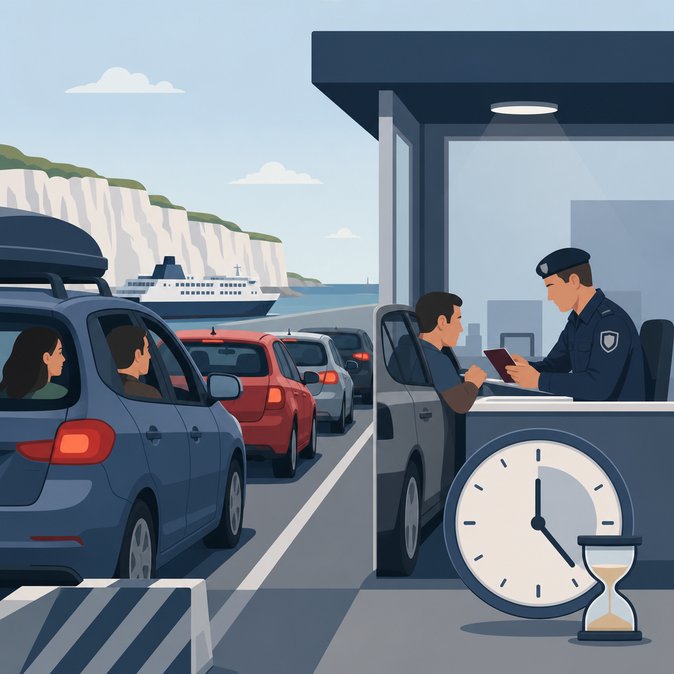
Ferry passengers heading to France for the late-May bank-holiday weekend were warned of two-hour queues at the Port of Dover on 22 May as French Police aux Frontières struggled to process the new EU Entry/Exit System (EES) records. Peak congestion was forecast between 06:00 and 13:00 with some 18,000 travellers expected each day.
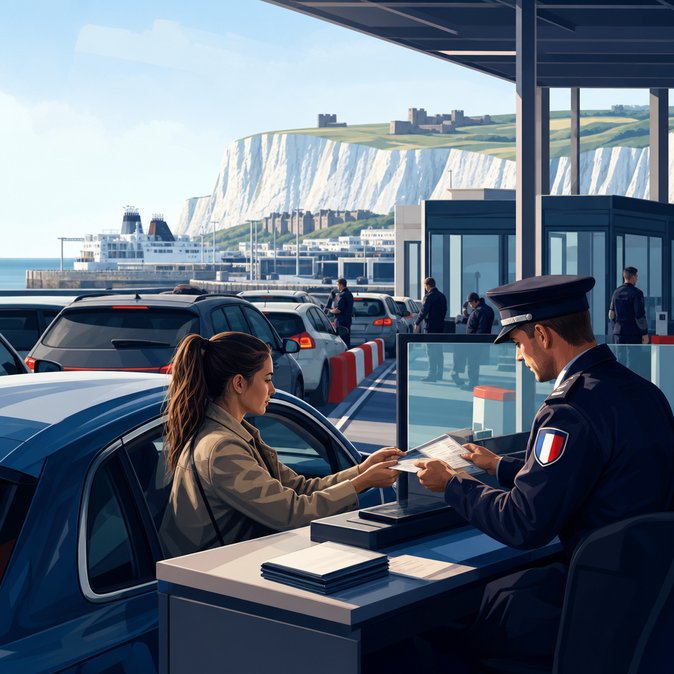
![Bank-holiday bottleneck: Dover-to-France ferries slowed by manual EES checks]()
Travellers looking to simplify paperwork ahead of departure may find it helpful to use a specialist service. VisaHQ, for example, offers up-to-date guidance on French entry formalities—including Schengen visa applications, passport validity rules and the forthcoming EES/ETIAS changes—through its dedicated France portal at https://www.visahq.com/france/ The platform can streamline document preparation for individuals and corporate travel managers alike, potentially reducing last-minute border surprises.
Unlike airports, the UK–France car terminal does not yet have biometric kiosks for motorists. French officers therefore had to create digital files and add passport scans manually—a process that takes roughly 90 seconds per vehicle. At busy periods that translated into 120-minute buffer-zone delays despite only minimal check-in lines for coaches. EES rules allow border authorities to suspend fingerprint capture for up to six hours when queues become unmanageable, but Dover officials confirmed that cars were still subject to full passport data entry. The Independent reports that the situation coincided with UK rail strikes and a nationwide road-traffic spike, compounding disruption for business travellers. For France-bound corporate groups the message is clear: until fully automated kiosks are installed, road and ferry itineraries need extra slack. Mobility coordinators should brief travellers to arrive “no earlier than two hours before sailing” (to avoid clogging the port) yet allow an overall four-hour buffer door-to-dock. Companies with critical just-in-time deliveries may wish to shift drivers onto the Eurotunnel freight shuttle, which already uses fingerprint kiosks and reported only minor tailbacks.
Travellers looking to simplify paperwork ahead of departure may find it helpful to use a specialist service. VisaHQ, for example, offers up-to-date guidance on French entry formalities—including Schengen visa applications, passport validity rules and the forthcoming EES/ETIAS changes—through its dedicated France portal at https://www.visahq.com/france/ The platform can streamline document preparation for individuals and corporate travel managers alike, potentially reducing last-minute border surprises.
Unlike airports, the UK–France car terminal does not yet have biometric kiosks for motorists. French officers therefore had to create digital files and add passport scans manually—a process that takes roughly 90 seconds per vehicle. At busy periods that translated into 120-minute buffer-zone delays despite only minimal check-in lines for coaches. EES rules allow border authorities to suspend fingerprint capture for up to six hours when queues become unmanageable, but Dover officials confirmed that cars were still subject to full passport data entry. The Independent reports that the situation coincided with UK rail strikes and a nationwide road-traffic spike, compounding disruption for business travellers. For France-bound corporate groups the message is clear: until fully automated kiosks are installed, road and ferry itineraries need extra slack. Mobility coordinators should brief travellers to arrive “no earlier than two hours before sailing” (to avoid clogging the port) yet allow an overall four-hour buffer door-to-dock. Companies with critical just-in-time deliveries may wish to shift drivers onto the Eurotunnel freight shuttle, which already uses fingerprint kiosks and reported only minor tailbacks.