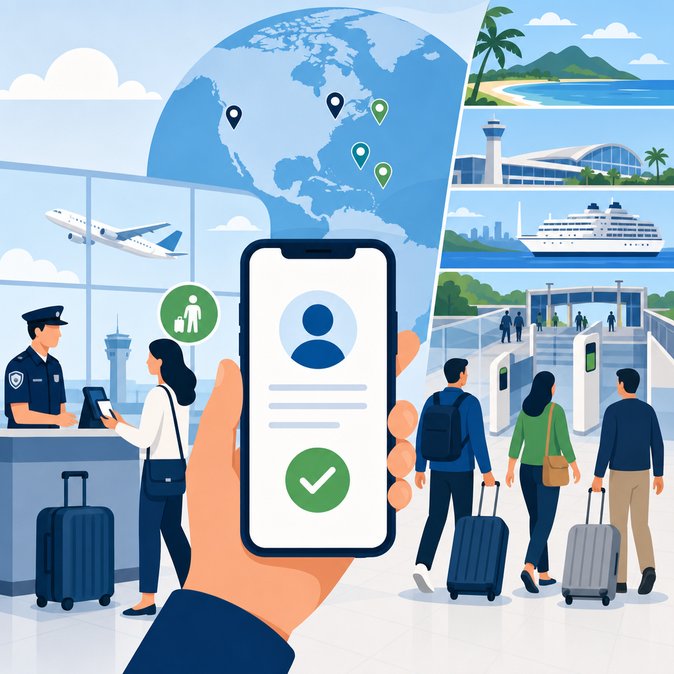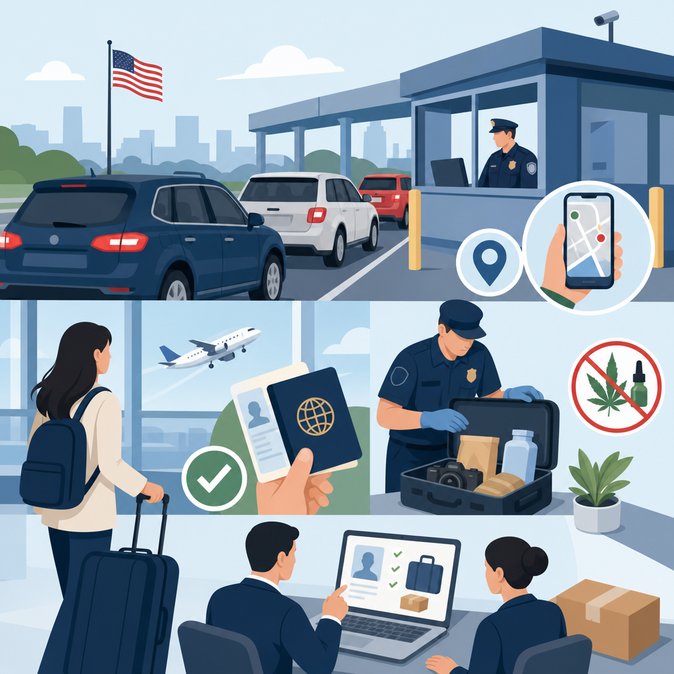
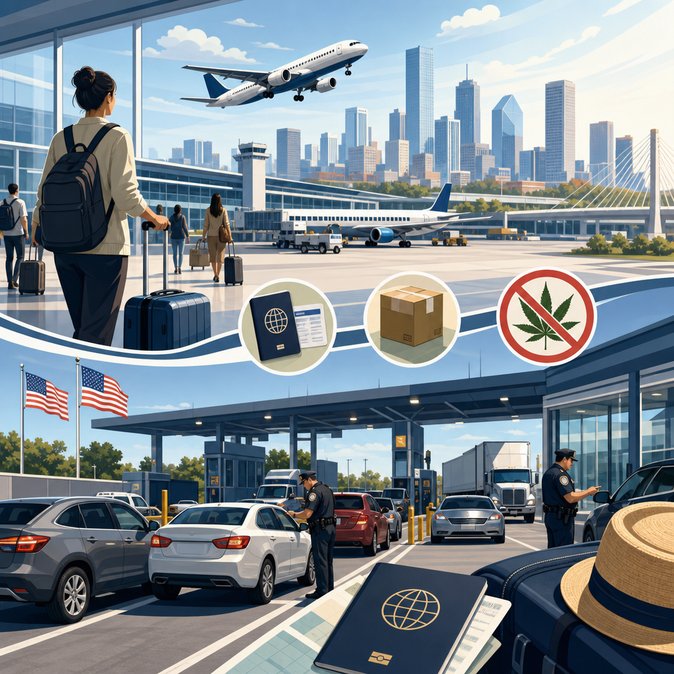
With Memorial Day travel projected to hit a post-pandemic record, U.S. Customs and Border Protection (CBP) issued an advisory on May 20 aimed at easing pressure at northern U.S. land crossings and major airports. The reminder, highlighted by CBP’s Detroit Field Office but applicable nationwide, urges travelers to have Western Hemisphere Travel Initiative (WHTI)-compliant documents in hand, declare all goods—including agricultural items—and remember that marijuana remains illegal under federal law even where state laws permit recreational use.
![CBP Warns Memorial Day Drivers and Flyers to Expect Crowds and Carry Proper Documents]()
Need help making sure the paperwork is right before you hit the road? VisaHQ’s online platform (https://www.visahq.com/united-states/) walks individual travelers and corporate mobility teams through passport renewals, destination-specific visa rules, and rush processing options, providing a one-stop dashboard that can prevent last-minute surprises at the border.
CBP also encouraged travelers to check real-time border-wait information on the CBP One and Border Wait Time mobile apps before driving to ports of entry such as Detroit–Windsor Tunnel, Blue Water Bridge (Port Huron) and Sault Ste. Marie. Officers will implement “pulse processing,” temporarily opening additional vehicle lanes when backups exceed 30 minutes. TSA and CBP preclearance units at the busiest U.S. airports said they will staff overtime shifts but warned that passport-control peaks could still exceed 90 minutes during Monday afternoon arrivals. For corporate travel managers, the advisory is a timely cue to remind employees traveling over the long weekend—whether for meetings in Canada or leisure trips—that Trusted Traveler Programs such as Global Entry, NEXUS and Mobile Passport Control can shave valuable minutes off inspection times. Companies with large cross-border workforces should circulate CBP’s list of prohibited food items: failure to declare even a single apple can result in a $300 civil penalty and secondary inspection delays for an entire vehicle. Mobility teams arranging household-goods shipments across the U.S.–Canada border should anticipate congestion at commercial lanes as well. CBP cargo officers said they will accept electronic advance manifests up to 12 hours early to alleviate bottlenecks. However, carriers missing driver identification data risk being pulled into inspection bays, adding hours to delivery schedules. Travel-service providers welcomed the notice but pressed CBP to expand staffing at the smaller Buffalo and Champlain crossings, where delays averaged 65 minutes last year. CBP’s Office of Field Operations said it is on a hiring spree—1,000 new officers graduate from the academy next month—but concedes total staffing still lags pre-2020 levels by roughly 5 percent.
Need help making sure the paperwork is right before you hit the road? VisaHQ’s online platform (https://www.visahq.com/united-states/) walks individual travelers and corporate mobility teams through passport renewals, destination-specific visa rules, and rush processing options, providing a one-stop dashboard that can prevent last-minute surprises at the border.
CBP also encouraged travelers to check real-time border-wait information on the CBP One and Border Wait Time mobile apps before driving to ports of entry such as Detroit–Windsor Tunnel, Blue Water Bridge (Port Huron) and Sault Ste. Marie. Officers will implement “pulse processing,” temporarily opening additional vehicle lanes when backups exceed 30 minutes. TSA and CBP preclearance units at the busiest U.S. airports said they will staff overtime shifts but warned that passport-control peaks could still exceed 90 minutes during Monday afternoon arrivals. For corporate travel managers, the advisory is a timely cue to remind employees traveling over the long weekend—whether for meetings in Canada or leisure trips—that Trusted Traveler Programs such as Global Entry, NEXUS and Mobile Passport Control can shave valuable minutes off inspection times. Companies with large cross-border workforces should circulate CBP’s list of prohibited food items: failure to declare even a single apple can result in a $300 civil penalty and secondary inspection delays for an entire vehicle. Mobility teams arranging household-goods shipments across the U.S.–Canada border should anticipate congestion at commercial lanes as well. CBP cargo officers said they will accept electronic advance manifests up to 12 hours early to alleviate bottlenecks. However, carriers missing driver identification data risk being pulled into inspection bays, adding hours to delivery schedules. Travel-service providers welcomed the notice but pressed CBP to expand staffing at the smaller Buffalo and Champlain crossings, where delays averaged 65 minutes last year. CBP’s Office of Field Operations said it is on a hiring spree—1,000 new officers graduate from the academy next month—but concedes total staffing still lags pre-2020 levels by roughly 5 percent.