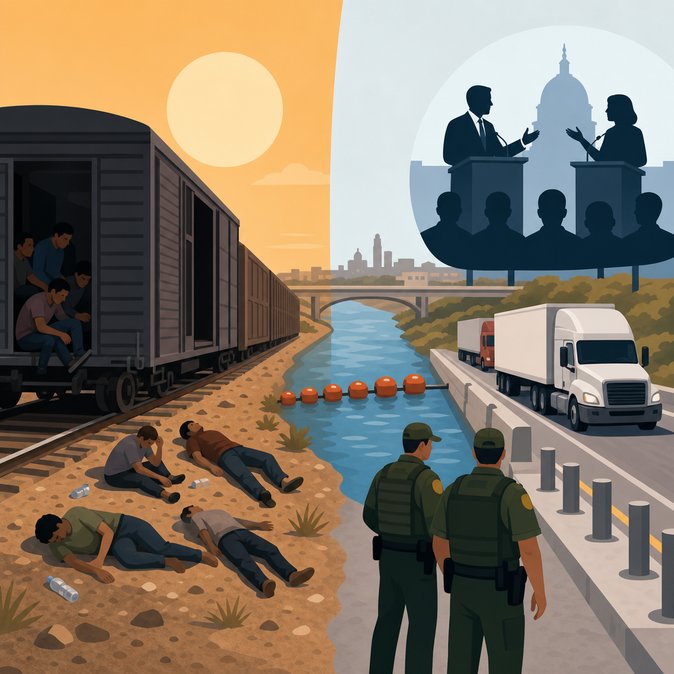
A grim discovery in Laredo, Texas, has refocused national attention on cross-border smuggling networks: six migrants were found dead inside a railcar after a journey that investigators say began in California. Preliminary autopsy reports cite extreme heat as the likely cause of death, underscoring the lethal risks of clandestine travel corridors that bypass official ports of entry. At a multi-agency press conference, Laredo Mayor Victor Treviño condemned the traffickers: “Those responsible for placing human beings in these inhumane conditions must be held accountable.”
![Six Migrants Found Dead in Laredo Railyard as Border Security Debate Intensifies]()
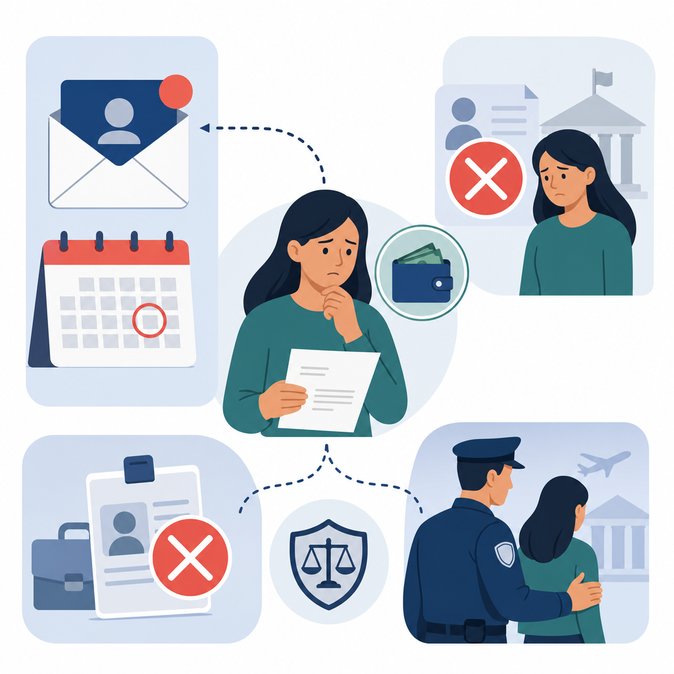
Travelers who hope to navigate the U.S.–Mexico border through lawful channels—whether for business, humanitarian work, or tourism—can streamline the paperwork side by turning to VisaHQ. The platform’s step-by-step online wizard, detailed document checklists, and live customer support make it easy to secure the correct U.S. entry visas or expedite passport renewals, reducing the temptation to rely on unsafe irregular routes. For details, see https://www.visahq.com/united-states/
Homeland-security agents are tracking a multistate smuggling ring believed to have staged pickups near Long Beach before routing migrants east by freight rail. The tragedy lands amid a flurry of new enforcement measures along the Laredo Sector. U.S. Customs and Border Protection (CBP) has installed floating buoy barriers north of the Colombia–Solidarity Bridge and surged several hundred additional Border Patrol agents to the region. City leaders, while supportive of security goals, worry that the buoys could disrupt the Rio Grande’s water intake infrastructure and local commerce. Local politics add another layer. During a Chamber of Commerce forum, candidates for Webb County Judge sparred over how to balance humanitarian obligations with federal directives—debating everything from cartel drones to the impact of state-installed razor wire. Business groups, for their part, stress that supply-chain reliability and worker mobility are critical to the binational economy: 14,000 commercial trucks cross in Laredo on an average day. For corporate mobility managers, the episode is a reminder that route planning matters: employee relocations or client visits that involve overland logistics near hot-zone corridors may face sudden delays, increased inspections, or temporary closures. Travel security briefings should be updated to reflect new CBP infrastructure (buoy barriers, drone surveillance) and potential protests that often follow high-profile smuggling deaths. While federal investigations continue, humanitarian NGOs in Laredo report a spike in walk-in requests for water, blankets, and medical screenings from migrants recently released by CBP. Companies supporting cross-border projects may wish to coordinate volunteer efforts or donations as part of corporate social-responsibility strategies.

Travelers who hope to navigate the U.S.–Mexico border through lawful channels—whether for business, humanitarian work, or tourism—can streamline the paperwork side by turning to VisaHQ. The platform’s step-by-step online wizard, detailed document checklists, and live customer support make it easy to secure the correct U.S. entry visas or expedite passport renewals, reducing the temptation to rely on unsafe irregular routes. For details, see https://www.visahq.com/united-states/
Homeland-security agents are tracking a multistate smuggling ring believed to have staged pickups near Long Beach before routing migrants east by freight rail. The tragedy lands amid a flurry of new enforcement measures along the Laredo Sector. U.S. Customs and Border Protection (CBP) has installed floating buoy barriers north of the Colombia–Solidarity Bridge and surged several hundred additional Border Patrol agents to the region. City leaders, while supportive of security goals, worry that the buoys could disrupt the Rio Grande’s water intake infrastructure and local commerce. Local politics add another layer. During a Chamber of Commerce forum, candidates for Webb County Judge sparred over how to balance humanitarian obligations with federal directives—debating everything from cartel drones to the impact of state-installed razor wire. Business groups, for their part, stress that supply-chain reliability and worker mobility are critical to the binational economy: 14,000 commercial trucks cross in Laredo on an average day. For corporate mobility managers, the episode is a reminder that route planning matters: employee relocations or client visits that involve overland logistics near hot-zone corridors may face sudden delays, increased inspections, or temporary closures. Travel security briefings should be updated to reflect new CBP infrastructure (buoy barriers, drone surveillance) and potential protests that often follow high-profile smuggling deaths. While federal investigations continue, humanitarian NGOs in Laredo report a spike in walk-in requests for water, blankets, and medical screenings from migrants recently released by CBP. Companies supporting cross-border projects may wish to coordinate volunteer efforts or donations as part of corporate social-responsibility strategies.