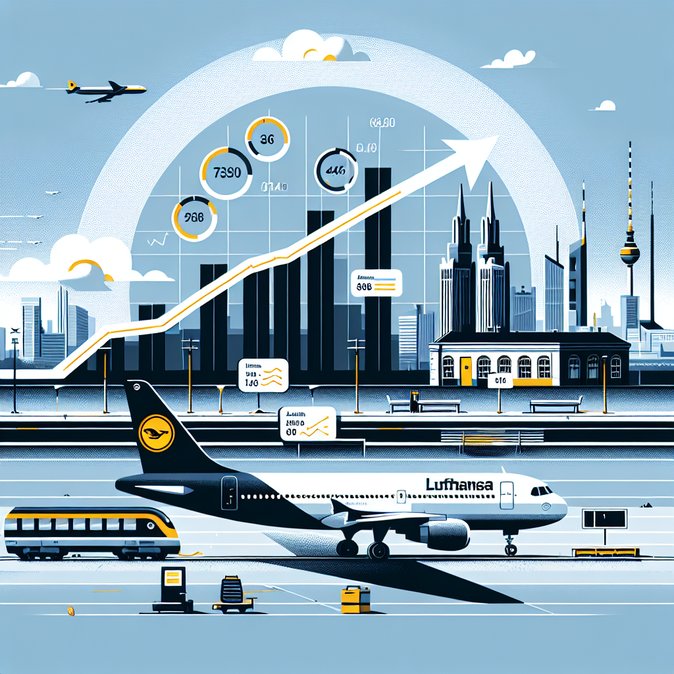
Lufthansa Group moved on 24 April 2026 to slash 20,000 intra-European flights between May and October, grounding its entire 27-aircraft CityLine fleet in an effort to conserve increasingly scarce—and expensive—jet fuel. The extraordinary step follows an International Energy Agency warning that the Continent has barely six weeks of aviation-fuel reserves left after Iranian naval forces throttled tanker traffic through the Strait of Hormuz. Germany feels the pain first. Frankfurt and Munich, Lufthansa’s twin hubs, will see an average of 120 daily cancellations, with thinner secondary routes to Poland, Norway and regional German airports eliminated outright. The carrier hopes to save more than 40,000 tonnes of kerosene but concedes that peak-summer capacity will be down about 15 percent. Fares on the remaining flights have already jumped 30–50 percent, according to travel-data firm ForwardKeys. The cancellations ripple far beyond leisure travellers. Automotive suppliers in Bavaria that rely on same-day parts delivery to Kraków will now be forced onto road transport or multi-stop itineraries via Vienna. Multinationals have begun activating travel-crisis playbooks written during the 2020 pandemic: Lufthansa is offering rebooking onto Deutsche Bahn rail services within Germany and into neighbouring Switzerland and Austria, but seat inventories are tight. Labour lawyers note that EU261 compensation rules may not apply because fuel shortages tied to geopolitical conflict are considered “extraordinary circumstances,” although passengers must still be offered reimbursement or alternative transport.
![Lufthansa cuts 20,000 short-haul flights through October as Europe’s jet-fuel crunch hits German hubs]()
Amid the upheaval, travellers suddenly funnelling through unfamiliar airports may also confront new visa or transit-document hurdles. VisaHQ’s streamlined platform (https://www.visahq.com/germany/) can rapidly check requirements, secure e-visas and book urgent consular appointments for Germany and other countries, keeping essential personnel on the move even as flight networks shrink.
Companies with travel-duty-of-care obligations should therefore verify that insurance policies cover additional nights and meals if employees are stranded. Looking ahead, energy analysts say a speedy fix is unlikely. Even if the EU approves emergency imports of U.S. Jet-A—currently blocked by differing sulphur specifications—logistics mean relief would arrive no earlier than late June. Until then, corporate travel managers are advised to prioritise critical trips, consider videoconferencing for routine meetings and build at least a half-day buffer into itineraries that require intra-Europe connections through German hubs.

Amid the upheaval, travellers suddenly funnelling through unfamiliar airports may also confront new visa or transit-document hurdles. VisaHQ’s streamlined platform (https://www.visahq.com/germany/) can rapidly check requirements, secure e-visas and book urgent consular appointments for Germany and other countries, keeping essential personnel on the move even as flight networks shrink.
Companies with travel-duty-of-care obligations should therefore verify that insurance policies cover additional nights and meals if employees are stranded. Looking ahead, energy analysts say a speedy fix is unlikely. Even if the EU approves emergency imports of U.S. Jet-A—currently blocked by differing sulphur specifications—logistics mean relief would arrive no earlier than late June. Until then, corporate travel managers are advised to prioritise critical trips, consider videoconferencing for routine meetings and build at least a half-day buffer into itineraries that require intra-Europe connections through German hubs.