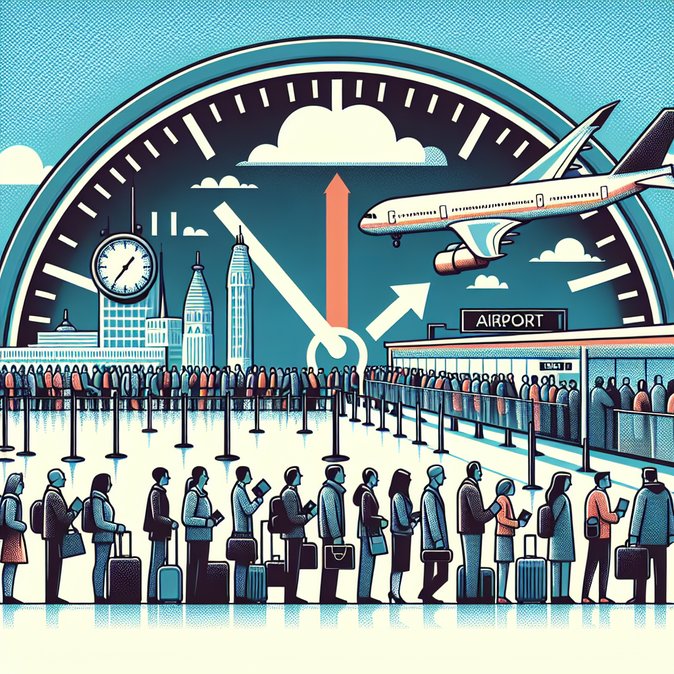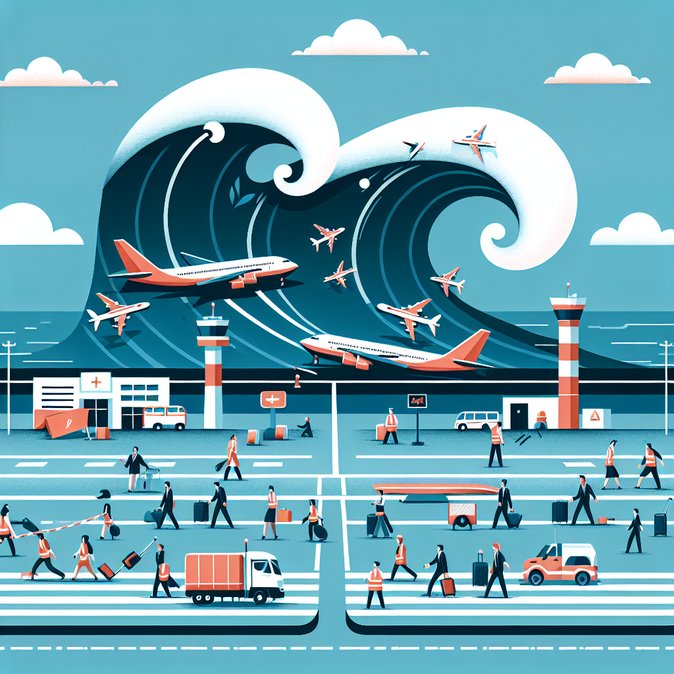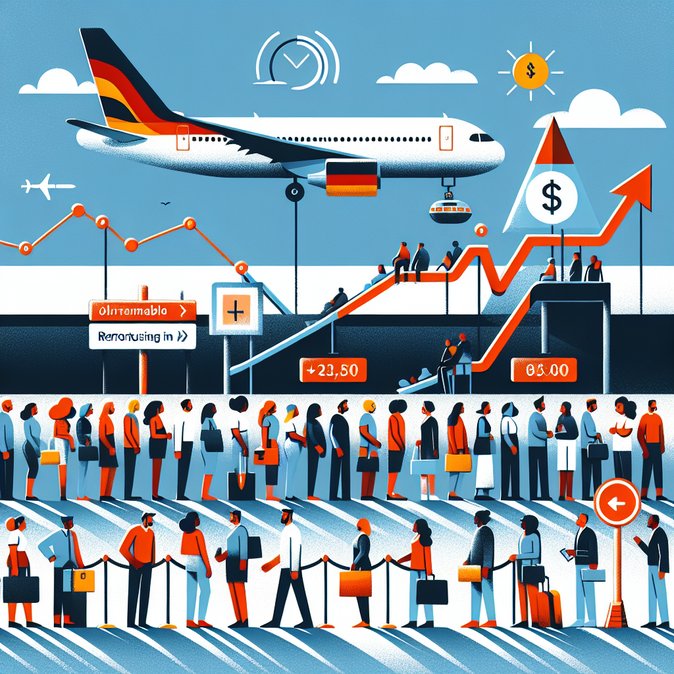
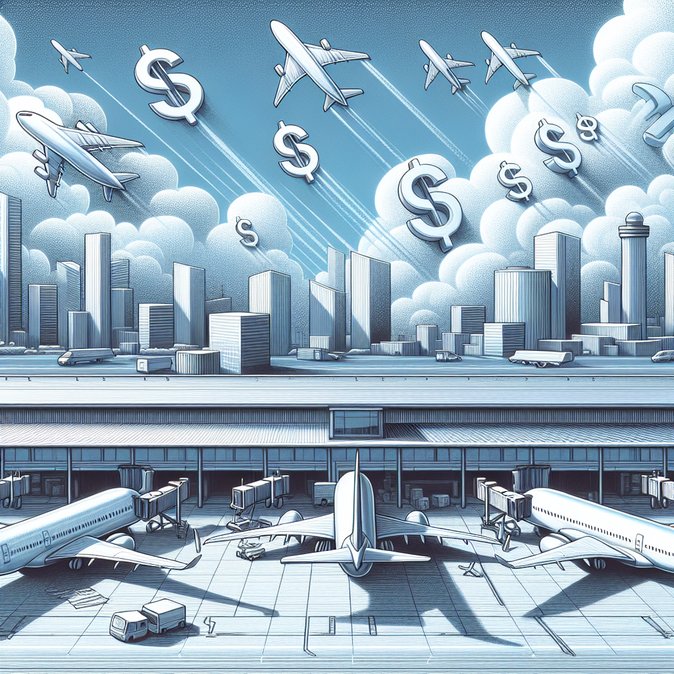
Germany’s largest airline group has launched one of the biggest schedule reductions in its history after jet-fuel prices doubled in the wake of the Iran conflict and the closure of the Strait of Hormuz. In a statement released late on 21 April, the Lufthansa Group said it will cancel 20,000 largely short-haul services between May and October—about 5 percent of its summer programme—to conserve an estimated 40,000 tonnes of kerosene. The cuts affect Lufthansa’s core network carriers as well as Austrian Airlines, Brussels Airlines, ITA Airways and SWISS. Point-to-point routes with thin demand have been axed first; for example, direct flights from Frankfurt to Bydgoszcz and Rzeszów in Poland and from Munich to Stavanger in Norway are being withdrawn and passengers re-booked over the group’s hubs in Frankfurt, Munich, Vienna, Zurich, Brussels and Rome. Some capacity will also disappear permanently with the closure of regional subsidiary CityLine, announced last week. Industry analysts say the move is a bell-wether for the coming European summer. International Energy Agency data show average jet-fuel prices in Europe have climbed above US $188 per barrel—up 106 percent year-on-year—while supply worries are mounting after EU officials warned stocks could run critically low within six weeks if Middle-East tankers remain blockaded. Dutch carrier KLM has already scrapped 160 services for May, and Norwegian long-haul start-up Norse Atlantic abruptly dropped its London–Los Angeles route, citing “unforeseen fuel-risk exposure.” Scandinavian operator SAS trimmed 1,000 April flights earlier this month.
![Lufthansa to Cut 20,000 Short-Haul Flights as Jet-Fuel Crisis Bites]()
Amid this turbulence, travelers should also ensure their travel documents keep pace with fast-moving itinerary changes. VisaHQ’s Germany portal (https://www.visahq.com/germany/) lets passengers and corporate mobility teams quickly verify visa rules, secure electronic authorizations, and renew passports without the need for consulate visits. Its real-time alerts and courier options provide a useful safety net when rerouting employees through alternative Schengen gateways, helping avoid border delays that could compound the disruption caused by flight cancellations.
For corporate travel managers, the implications are immediate. Besides higher airfares, the mass cancellations complicate duty-of-care obligations: employees may need to transit via alternative hubs, increasing journey times and the likelihood of missed connections. Travellers booked on eliminated Lufthansa flights are entitled under EU Regulation 261 to re-routing or refunds plus compensation—rights the European Commission reaffirmed this week despite airline lobbying to waive payouts in the «extraordinary circumstances» of a fuel crisis. Mobility teams should therefore audit upcoming itineraries, monitor Lufthansa’s daily cancellation list, and brief travellers on potential overnight stays if hub connections are tight. Germany’s export-driven Mittelstand sector is also bracing for logistical headaches. With belly-hold cargo capacity shrinking on cancelled passenger flights, forwarders expect spot-rates for high-value components to rise and lead times to lengthen—adding friction to already-stressed supply chains. The German Chamber of Commerce and Industry (DIHK) is urging the federal government to fast-track contingency measures, such as releasing strategic fuel reserves and helping airports accelerate ground-handling turn-arounds to squeeze more flying time out of the remaining schedule. Whether those steps will suffice depends largely on geopolitics: if the Strait of Hormuz stays closed into the summer, analysts warn that deeper cuts and broader network reshuffles could follow, further testing Europe’s post-pandemic mobility recovery. Practically, global-mobility managers should: 1) pro-actively identify travellers on Lufthansa Group services through October and verify whether their flights remain confirmed; 2) build longer connection buffers or consider rail for intra-European legs; 3) alert assignees bringing family members to Germany this summer that peak-season capacity is tighter than normal; and 4) keep receipts—EU 261 compensation claims may become an important cost-recovery channel if disruption escalates. In the medium term, companies with heavy Germany-centric travel may wish to negotiate fuel-surcharge clauses in corporate fare agreements or diversify routings via competing hubs such as Paris CDG or Istanbul IST.
Amid this turbulence, travelers should also ensure their travel documents keep pace with fast-moving itinerary changes. VisaHQ’s Germany portal (https://www.visahq.com/germany/) lets passengers and corporate mobility teams quickly verify visa rules, secure electronic authorizations, and renew passports without the need for consulate visits. Its real-time alerts and courier options provide a useful safety net when rerouting employees through alternative Schengen gateways, helping avoid border delays that could compound the disruption caused by flight cancellations.
For corporate travel managers, the implications are immediate. Besides higher airfares, the mass cancellations complicate duty-of-care obligations: employees may need to transit via alternative hubs, increasing journey times and the likelihood of missed connections. Travellers booked on eliminated Lufthansa flights are entitled under EU Regulation 261 to re-routing or refunds plus compensation—rights the European Commission reaffirmed this week despite airline lobbying to waive payouts in the «extraordinary circumstances» of a fuel crisis. Mobility teams should therefore audit upcoming itineraries, monitor Lufthansa’s daily cancellation list, and brief travellers on potential overnight stays if hub connections are tight. Germany’s export-driven Mittelstand sector is also bracing for logistical headaches. With belly-hold cargo capacity shrinking on cancelled passenger flights, forwarders expect spot-rates for high-value components to rise and lead times to lengthen—adding friction to already-stressed supply chains. The German Chamber of Commerce and Industry (DIHK) is urging the federal government to fast-track contingency measures, such as releasing strategic fuel reserves and helping airports accelerate ground-handling turn-arounds to squeeze more flying time out of the remaining schedule. Whether those steps will suffice depends largely on geopolitics: if the Strait of Hormuz stays closed into the summer, analysts warn that deeper cuts and broader network reshuffles could follow, further testing Europe’s post-pandemic mobility recovery. Practically, global-mobility managers should: 1) pro-actively identify travellers on Lufthansa Group services through October and verify whether their flights remain confirmed; 2) build longer connection buffers or consider rail for intra-European legs; 3) alert assignees bringing family members to Germany this summer that peak-season capacity is tighter than normal; and 4) keep receipts—EU 261 compensation claims may become an important cost-recovery channel if disruption escalates. In the medium term, companies with heavy Germany-centric travel may wish to negotiate fuel-surcharge clauses in corporate fare agreements or diversify routings via competing hubs such as Paris CDG or Istanbul IST.