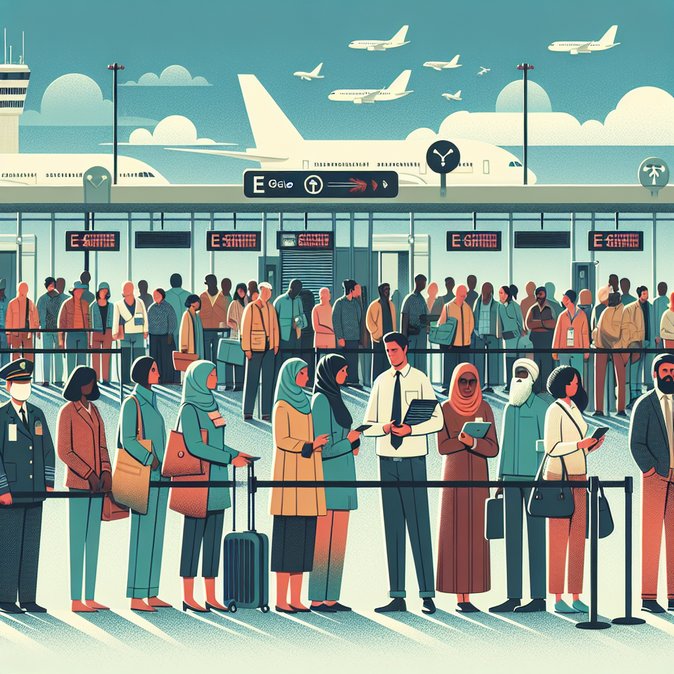
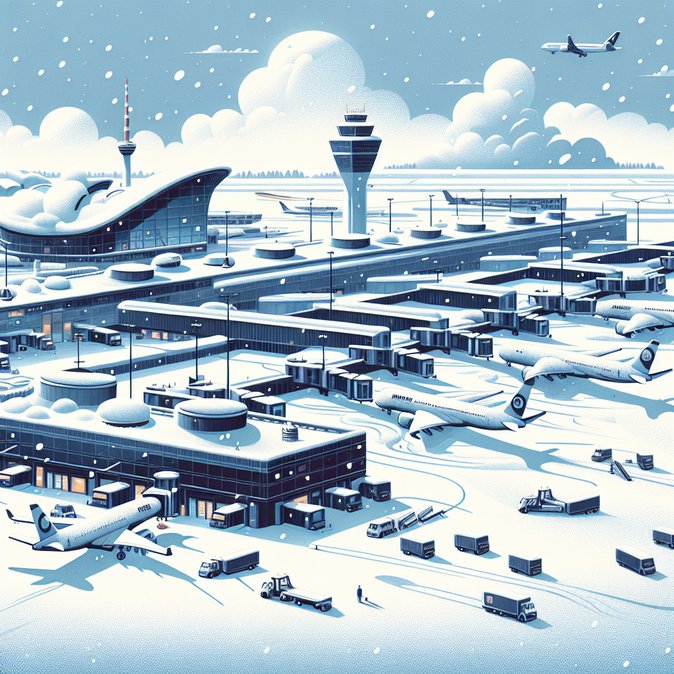
Just as Lufthansa crews returned to work, Munich Airport was hit by an unseasonable cold snap on 19 April that dumped wet snow and triggered severe de-icing delays. According to passenger-rights specialist AirHelp, 466 flights were delayed and 102 cancelled at Munich alone, with a further cascade of knock-on delays at Amsterdam Schiphol. An estimated 15,000 passengers were affected, many of them business travellers connecting between intra-EU short-haul flights and transatlantic services. Ground-handling companies say staffing shortages compounded the weather problems. De-icing teams were already stretched thin after two record winters, and many seasonal workers had been released in March. When temperatures plunged again, manpower and equipment became bottlenecks, forcing airlines to slow departure rates to maintain safety margins. Lufthansa bore the brunt of the cancellations, but British Airways and easyJet also cut services on Munich–London and Munich–Amsterdam sectors. Because the primary cause was weather—and thus outside airline control—EC 261 cash compensation is unlikely. Airlines must, however, still provide hotels and meals when overnight delays occur.
![Late-Season Snow Shuts Down 568 Flights at Munich, Ripples Across Europe]()
If sudden reroutings or extended layovers mean you now need a transit or short-stay visa at the last minute, VisaHQ can streamline the paperwork in hours instead of days. Their online platform and courier network cover German Schengen visas as well as entry permits for 200+ countries, ensuring business travellers stay compliant even when plans change unexpectedly. Learn more at https://www.visahq.com/germany/
Corporate mobility teams should advise travellers to collect written confirmation from carriers that the disruption was weather-related; this documentation will be required for insurance claims and duty-of-care reporting. Operationally, the episode demonstrates how quickly late-season weather can erode network resilience already weakened by strike recovery operations. Aviation analysts note that Munich has averaged one significant snow event in April every five years; with climate volatility increasing, they recommend that carriers retain cold-weather de-icing capacity for longer into spring. For now, Munich Airport has cleared its backlog, but airlines have extended minimum connection times through 23 April. Travellers transiting Germany this week should build in additional buffers and monitor flight-status alerts closely.
If sudden reroutings or extended layovers mean you now need a transit or short-stay visa at the last minute, VisaHQ can streamline the paperwork in hours instead of days. Their online platform and courier network cover German Schengen visas as well as entry permits for 200+ countries, ensuring business travellers stay compliant even when plans change unexpectedly. Learn more at https://www.visahq.com/germany/
Corporate mobility teams should advise travellers to collect written confirmation from carriers that the disruption was weather-related; this documentation will be required for insurance claims and duty-of-care reporting. Operationally, the episode demonstrates how quickly late-season weather can erode network resilience already weakened by strike recovery operations. Aviation analysts note that Munich has averaged one significant snow event in April every five years; with climate volatility increasing, they recommend that carriers retain cold-weather de-icing capacity for longer into spring. For now, Munich Airport has cleared its backlog, but airlines have extended minimum connection times through 23 April. Travellers transiting Germany this week should build in additional buffers and monitor flight-status alerts closely.