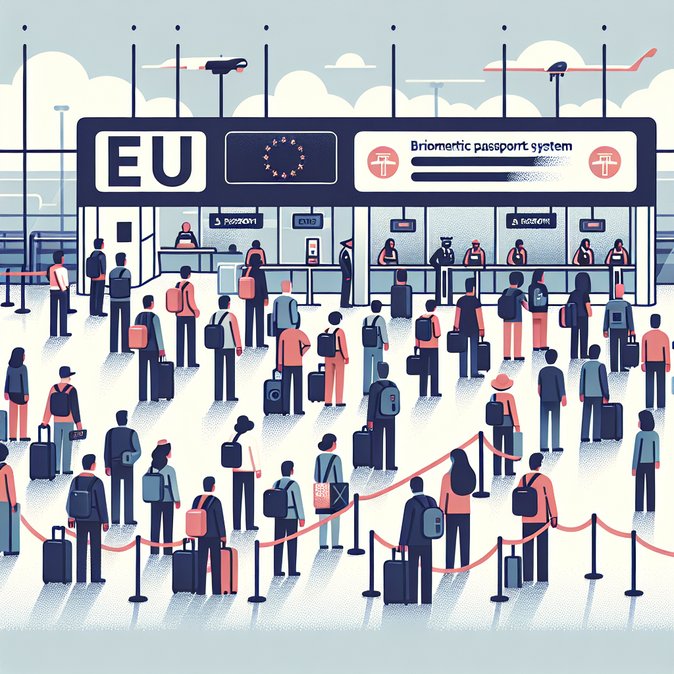
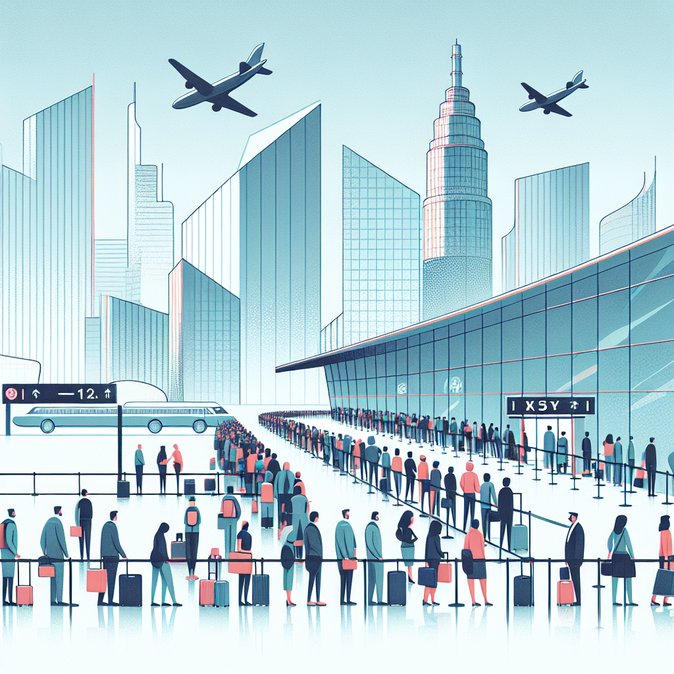
As holidaymakers look ahead to the Pentecost and summer peaks, Germany’s border authorities are grappling with the EU’s new Entry-Exit System (EES), which became fully mandatory on 10 April. The Guardian reports that some airports across Europe are already seeing immigration queues of up to three hours, and industry sources confirm similar scenes at Frankfurt and Düsseldorf on busy days. EES captures fingerprints and facial images of non-EU travellers and automatically calculates authorised-stay days, replacing passport stamps. While biometric kiosks have been installed at Germany’s external airports, officials admit that software “fine-tuning” and staff familiarisation are ongoing.
![Confusion over EU Entry-Exit System adds to German airport bottlenecks ahead of summer rush]()
Travellers who want to avoid last-minute surprises can also turn to VisaHQ for up-to-date guidance on Germany’s evolving entry requirements and biometric registration. The platform’s Germany portal (https://www.visahq.com/germany/) consolidates visa checklists, EES updates and personalised alerts, helping both tourists and corporate travel managers navigate the new system with confidence.
The Federal Police have temporarily reverted to manual processing at several gates when the system freezes, causing sporadic backups that ripple through security and transfer areas. Airlines fear the delays could compound operational stress created by recent strikes and by the possibility of jet-fuel shortages if the Strait of Hormuz remains partially closed. Lufthansa and Condor have urged passengers on non-EU passports to arrive at least three hours before departure and to pre-register via the new EU smartphone app once it is launched later this spring. For corporate mobility programmes the key takeaway is timing: global assignees and frequent business travellers who hold third-country passports should expect longer queues on both arrival in and departure from Germany until the system stabilises. Companies may need to budget extra duty-of-care resources, particularly for tight connection itineraries through Frankfurt, Munich or Berlin. In the medium term, once bugs are addressed, EES promises smoother repeat travel, because biometric data will remain valid for three years. German travel-tech start-ups are already exploring API links to automate compliance checks during online check-in, potentially turning today’s pain into tomorrow’s seamless border control.
Travellers who want to avoid last-minute surprises can also turn to VisaHQ for up-to-date guidance on Germany’s evolving entry requirements and biometric registration. The platform’s Germany portal (https://www.visahq.com/germany/) consolidates visa checklists, EES updates and personalised alerts, helping both tourists and corporate travel managers navigate the new system with confidence.
The Federal Police have temporarily reverted to manual processing at several gates when the system freezes, causing sporadic backups that ripple through security and transfer areas. Airlines fear the delays could compound operational stress created by recent strikes and by the possibility of jet-fuel shortages if the Strait of Hormuz remains partially closed. Lufthansa and Condor have urged passengers on non-EU passports to arrive at least three hours before departure and to pre-register via the new EU smartphone app once it is launched later this spring. For corporate mobility programmes the key takeaway is timing: global assignees and frequent business travellers who hold third-country passports should expect longer queues on both arrival in and departure from Germany until the system stabilises. Companies may need to budget extra duty-of-care resources, particularly for tight connection itineraries through Frankfurt, Munich or Berlin. In the medium term, once bugs are addressed, EES promises smoother repeat travel, because biometric data will remain valid for three years. German travel-tech start-ups are already exploring API links to automate compliance checks during online check-in, potentially turning today’s pain into tomorrow’s seamless border control.