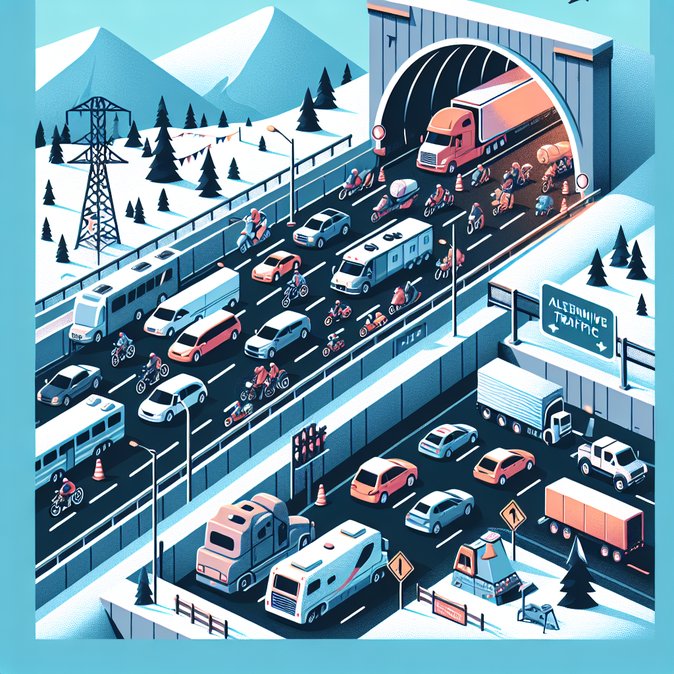
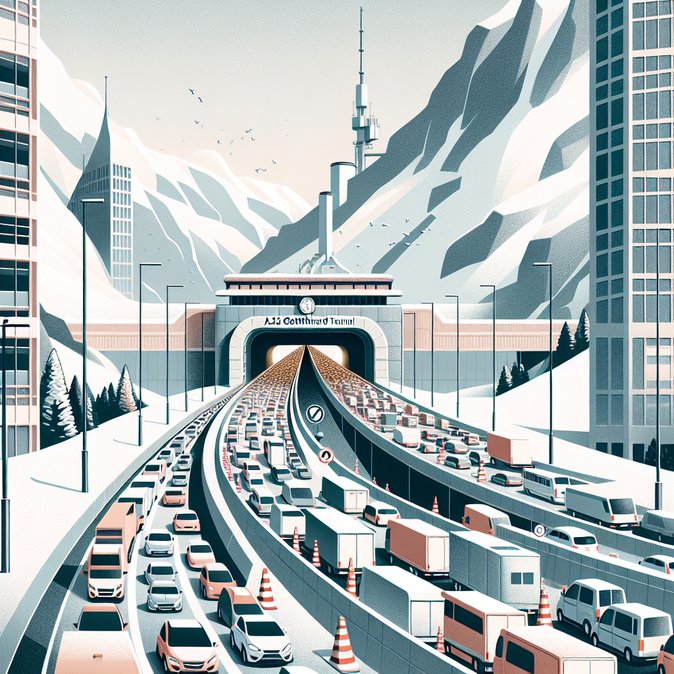
Switzerland’s vital north-south road artery, the A2 Gotthard Tunnel, once again showed how quickly traffic can snarl when the alpine pass above remains closed for winter. According to the specialised monitoring site Gotthard-Traffic, queues at the north portal began forming shortly before 08:00 on Saturday, 18 April 2026, swelling to six kilometres around midday and adding up to 75 minutes to journey times. Southbound traffic also suffered, reaching a three-kilometre tailback in mid-afternoon. The surge followed a familiar pattern: weekend leisure travel, combined with transit heavy-goods vehicles funneled onto the only open trans-Alpine corridor, overwhelmed the tunnel’s metered-flow system. Authorities kept the San Bernardino route (A13) fully open, but many drivers ignored the detour despite alerts from the Touring Club Suisse (TCS).
![Gotthard Tunnel Weekend Congestion Peaks at 6 km but Clears by Evening]()
For those organising cross-border trips, VisaHQ can remove one more friction point by clarifying and obtaining any Swiss or Italian travel authorisations you might need. Its digital portal (https://www.visahq.com/switzerland/) lets drivers, logistics staff and tourists check Schengen visa rules in minutes and order courier pick-up of documents, so you can concentrate on timing your Gotthard crossing rather than queuing at consulates.
By early evening, dynamic lane-metering and staggered on-ramp controls had restored free flow in both directions. At 20:27 the sensors registered zero queue length, though the Gotthard Pass itself remains closed for another six weeks, guaranteeing that all traffic must use the tunnel in the interim. No unplanned closures or safety incidents were reported, easing fears of a repeat of the 21-kilometre Easter jam earlier this month. Why it matters for global mobility: the Gotthard is a critical conduit for time-sensitive freight and for cross-border employees who commute between Switzerland and Italy. Delays ripple into supply chains and can force companies to reroute shipments through France or Austria, adding cost and carbon. HR and travel teams supervising expatriate moves to Ticino or Lombardy should advise assignees to favour rail when possible—SBB’s base-tunnel trains were unaffected—or to depart outside the late-morning peak until the mountain pass re-opens. Practically, the TCS recommends that motorists download push-alerts from the federal traffic information service and have at least a quarter-tank of fuel before joining the queue, as refuelling options are sparse inside the congestion zone. Logistics managers should consider booking night-time slots, when heavy-goods restrictions are lighter and queues rare, until summer diversions provide additional resilience.
For those organising cross-border trips, VisaHQ can remove one more friction point by clarifying and obtaining any Swiss or Italian travel authorisations you might need. Its digital portal (https://www.visahq.com/switzerland/) lets drivers, logistics staff and tourists check Schengen visa rules in minutes and order courier pick-up of documents, so you can concentrate on timing your Gotthard crossing rather than queuing at consulates.
By early evening, dynamic lane-metering and staggered on-ramp controls had restored free flow in both directions. At 20:27 the sensors registered zero queue length, though the Gotthard Pass itself remains closed for another six weeks, guaranteeing that all traffic must use the tunnel in the interim. No unplanned closures or safety incidents were reported, easing fears of a repeat of the 21-kilometre Easter jam earlier this month. Why it matters for global mobility: the Gotthard is a critical conduit for time-sensitive freight and for cross-border employees who commute between Switzerland and Italy. Delays ripple into supply chains and can force companies to reroute shipments through France or Austria, adding cost and carbon. HR and travel teams supervising expatriate moves to Ticino or Lombardy should advise assignees to favour rail when possible—SBB’s base-tunnel trains were unaffected—or to depart outside the late-morning peak until the mountain pass re-opens. Practically, the TCS recommends that motorists download push-alerts from the federal traffic information service and have at least a quarter-tank of fuel before joining the queue, as refuelling options are sparse inside the congestion zone. Logistics managers should consider booking night-time slots, when heavy-goods restrictions are lighter and queues rare, until summer diversions provide additional resilience.
More From Switzerland
View all
SWISS Unveils ‘Senses’ Premium Cabin and Deploys Airbus A350 on Seoul–Zurich Route

Swiss and Baden-Württemberg leaders pledge deeper cross-border cooperation on mobility and skilled-labour flows