Bern – 16 April 2026. The Federal Department of Foreign Affairs confirmed that Foreign Minister Ignazio Cassis will attend the 5th Antalya Diplomacy Forum from 17 to 19 April. Although branded a foreign-policy gathering, the trip has direct global-mobility implications: Switzerland intends to use side-meetings to push for better coordination of travel advisories and safe-passage corridors amid ongoing instability in the Gulf and the eastern Mediterranean.
![Cassis heads to Antalya Diplomacy Forum; Swiss to raise travel-security and Middle-East crisis at high-level meetings]()
For travellers who may suddenly find previously closed corridors reopening, VisaHQ can help fast-track any new visa or passport requirements. Its Swiss portal (https://www.visahq.com/switzerland/) offers real-time application tracking, embassy updates and expert support—handy when companies must react quickly to the kind of route changes Bern is now pursuing.
Mr Cassis will participate in a panel on “Multilateralism Amid Systemic Transition”, but the FDFA emphasised two concrete agenda items. First, he will meet the Secretary-General of the Gulf Cooperation Council and the EU’s Special Representative for the Gulf to discuss reopening key air corridors closed since the March escalation between Iran, Israel and the United States. Swiss carriers, including SWISS and Edelweiss, have had to suspend several routes, stranding business travellers and expatriates. Bern hopes a GCC-backed safety protocol could allow limited over-flights as early as May. Second, in his capacity as 2026 Chair-in-Office of the OSCE, Cassis will confer with Ukraine’s Foreign Minister Andrii Sybiha and OSCE Secretary-General Feridun Sinirlioğlu on safeguarding humanitarian corridors that enable international staff rotations and family visits for Swiss nationals working for NGOs in Kyiv and Odessa. The FDFA estimates about 500 Swiss aid workers are currently operating in or around Ukraine. Why it matters for companies: the FDFA’s travel-risk unit will accompany the minister and intends to circulate updated security assessments immediately after the forum. Mobility managers with personnel in the Middle East or on east-west supply routes should look out for revised airspace-usage guidelines and potential easing of insurance surcharges. Should Switzerland succeed in brokering even a partial over-flight agreement, flight times to Asian hubs could drop by 45–90 minutes, saving fuel and re-opening cargo capacity critical to Swiss pharma exporters. The Antalya trip also illustrates Switzerland’s broader strategy of leveraging its neutral-mediator brand to secure concrete mobility wins for citizens and companies. Observers note that Cassis will be one of only a handful of European ministers attending in person, a visibility that could translate into goodwill when Bern negotiates future air-service agreements or pushes the EU to speed up the long-delayed Entry/Exit System exemptions for frequent Swiss travellers. The forum convenes under the motto “Mapping tomorrow, managing uncertainties”, a theme that neatly captures corporate global-mobility challenges in 2026. Firms should monitor FDFA communiqués over the weekend; any breakthrough could immediately affect route planning, allowance calculations and crisis-evacuation protocols.
For travellers who may suddenly find previously closed corridors reopening, VisaHQ can help fast-track any new visa or passport requirements. Its Swiss portal (https://www.visahq.com/switzerland/) offers real-time application tracking, embassy updates and expert support—handy when companies must react quickly to the kind of route changes Bern is now pursuing.
Mr Cassis will participate in a panel on “Multilateralism Amid Systemic Transition”, but the FDFA emphasised two concrete agenda items. First, he will meet the Secretary-General of the Gulf Cooperation Council and the EU’s Special Representative for the Gulf to discuss reopening key air corridors closed since the March escalation between Iran, Israel and the United States. Swiss carriers, including SWISS and Edelweiss, have had to suspend several routes, stranding business travellers and expatriates. Bern hopes a GCC-backed safety protocol could allow limited over-flights as early as May. Second, in his capacity as 2026 Chair-in-Office of the OSCE, Cassis will confer with Ukraine’s Foreign Minister Andrii Sybiha and OSCE Secretary-General Feridun Sinirlioğlu on safeguarding humanitarian corridors that enable international staff rotations and family visits for Swiss nationals working for NGOs in Kyiv and Odessa. The FDFA estimates about 500 Swiss aid workers are currently operating in or around Ukraine. Why it matters for companies: the FDFA’s travel-risk unit will accompany the minister and intends to circulate updated security assessments immediately after the forum. Mobility managers with personnel in the Middle East or on east-west supply routes should look out for revised airspace-usage guidelines and potential easing of insurance surcharges. Should Switzerland succeed in brokering even a partial over-flight agreement, flight times to Asian hubs could drop by 45–90 minutes, saving fuel and re-opening cargo capacity critical to Swiss pharma exporters. The Antalya trip also illustrates Switzerland’s broader strategy of leveraging its neutral-mediator brand to secure concrete mobility wins for citizens and companies. Observers note that Cassis will be one of only a handful of European ministers attending in person, a visibility that could translate into goodwill when Bern negotiates future air-service agreements or pushes the EU to speed up the long-delayed Entry/Exit System exemptions for frequent Swiss travellers. The forum convenes under the motto “Mapping tomorrow, managing uncertainties”, a theme that neatly captures corporate global-mobility challenges in 2026. Firms should monitor FDFA communiqués over the weekend; any breakthrough could immediately affect route planning, allowance calculations and crisis-evacuation protocols.
More From Switzerland
View all
Swiss and Baden-Württemberg leaders pledge deeper cross-border cooperation on mobility and skilled-labour flows
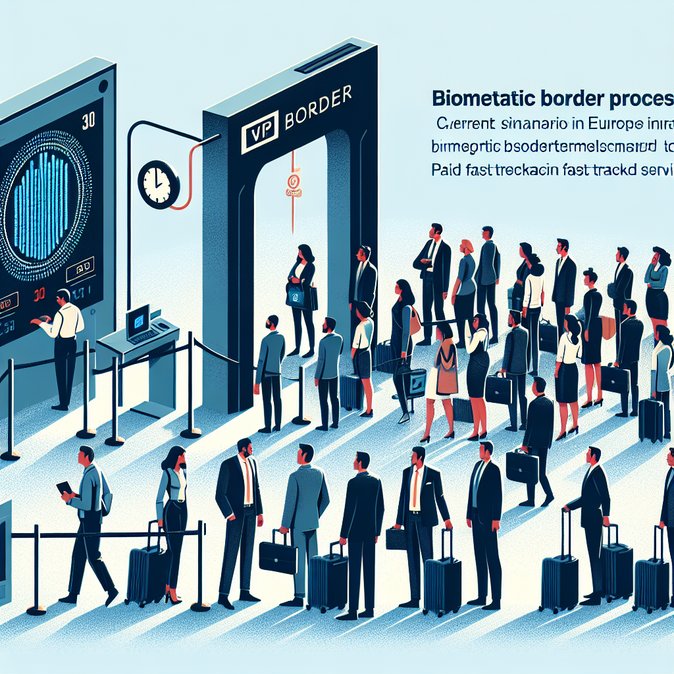
Airports Council warns of ‘unmanageable’ wait times as EES delays spread to Swiss hubs