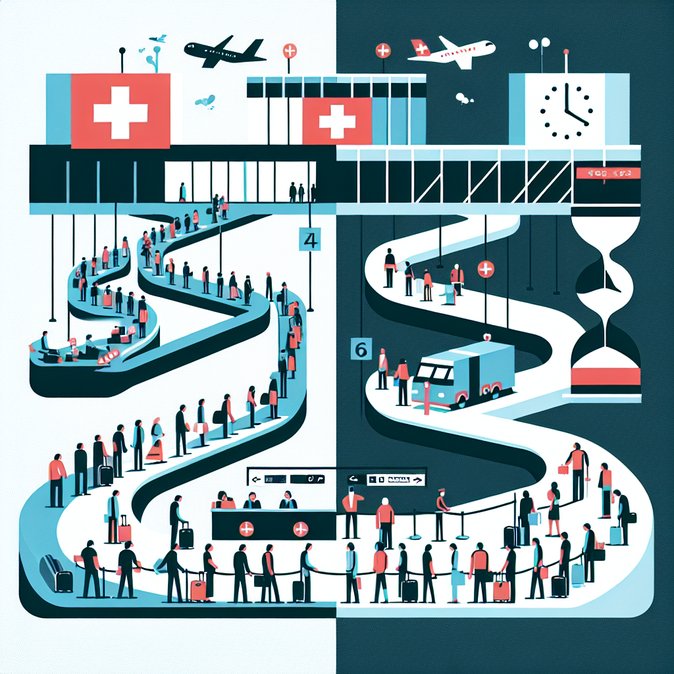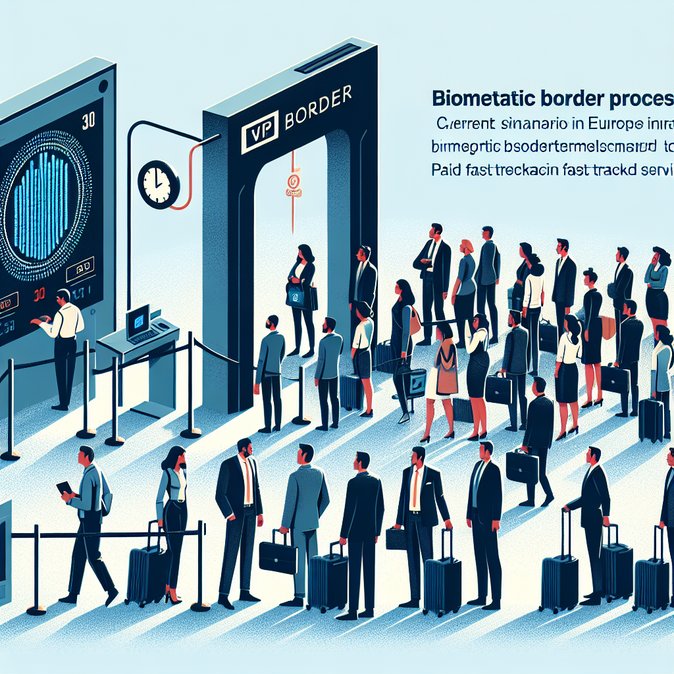
The alarm bells are getting louder for Switzerland’s aviation sector. On Thursday morning Ukrainian National News (UNN) carried fresh comments from Airports Council International Europe highlighting how biometric bottlenecks are rippling through Schengen hubs, including Zurich, Geneva and Basel. According to ACI, some passengers are now spending three full hours in passport control queues – a figure viewed as “simply unmanageable” once the summer timetable begins on 30 March. The problem is structural. From 10 April, all 29 Schengen members – Switzerland among them – must register 100 % of third-country nationals in the Entry/Exit System. While the Federal Office for Customs and Border Security has installed more than 120 enrolment kiosks nationwide, only around 35 % of non-EU travellers can be processed automatically. The remainder require a manual capture of fingerprints by a border-guard, stretching resources that are already tight following a record ski season. Industry groups are urging Brussels to give member states the power to suspend EES checks when the queue exceeds 45 minutes. Bern backs the idea, arguing that ad-hoc suspensions would be less disruptive than the blanket exemptions granted during the Euro 2024 football championship.
![Airports Council warns of ‘unmanageable’ wait times as EES delays spread to Swiss hubs]()
Amid the evolving border requirements, travellers can at least take the guesswork out of visas and travel documents by turning to VisaHQ’s digital portal. The platform lets users confirm Swiss and Schengen entry rules, fill out forms online, and book any necessary consular appointments—helping to avoid costly delays when every minute counts. For details, see https://www.visahq.com/switzerland/
In the meantime, Swiss travel managers are updating pre-trip briefings: staff are told to allow at least four hours between an intercontinental arrival and any onward connection, and to budget for hotel rooms if late-evening flights are missed. The private sector is also stepping in. Several Zurich-based relocation firms have begun offering ‘EES concierge’ services, escorting VIPs through priority lanes and handling kiosk enrolment on their behalf. Airlines, for their part, are sending SMS reminders 48 hours before departure, warning economy-class passengers that boarding gates will close strictly on time even if queues persist. With the European Commission insisting that the system is “working well in the overwhelming majority of member states,” mobility professionals fear a stalemate. Unless technical fixes or policy flexibilities are introduced quickly, Switzerland could face a summer of operational headaches – from delayed project kick-offs to spiralling travel budgets. The message for corporate travellers is unmistakable: until the new digital border settles down, the Swiss watch may run on ‘EES time’.

Amid the evolving border requirements, travellers can at least take the guesswork out of visas and travel documents by turning to VisaHQ’s digital portal. The platform lets users confirm Swiss and Schengen entry rules, fill out forms online, and book any necessary consular appointments—helping to avoid costly delays when every minute counts. For details, see https://www.visahq.com/switzerland/
In the meantime, Swiss travel managers are updating pre-trip briefings: staff are told to allow at least four hours between an intercontinental arrival and any onward connection, and to budget for hotel rooms if late-evening flights are missed. The private sector is also stepping in. Several Zurich-based relocation firms have begun offering ‘EES concierge’ services, escorting VIPs through priority lanes and handling kiosk enrolment on their behalf. Airlines, for their part, are sending SMS reminders 48 hours before departure, warning economy-class passengers that boarding gates will close strictly on time even if queues persist. With the European Commission insisting that the system is “working well in the overwhelming majority of member states,” mobility professionals fear a stalemate. Unless technical fixes or policy flexibilities are introduced quickly, Switzerland could face a summer of operational headaches – from delayed project kick-offs to spiralling travel budgets. The message for corporate travellers is unmistakable: until the new digital border settles down, the Swiss watch may run on ‘EES time’.