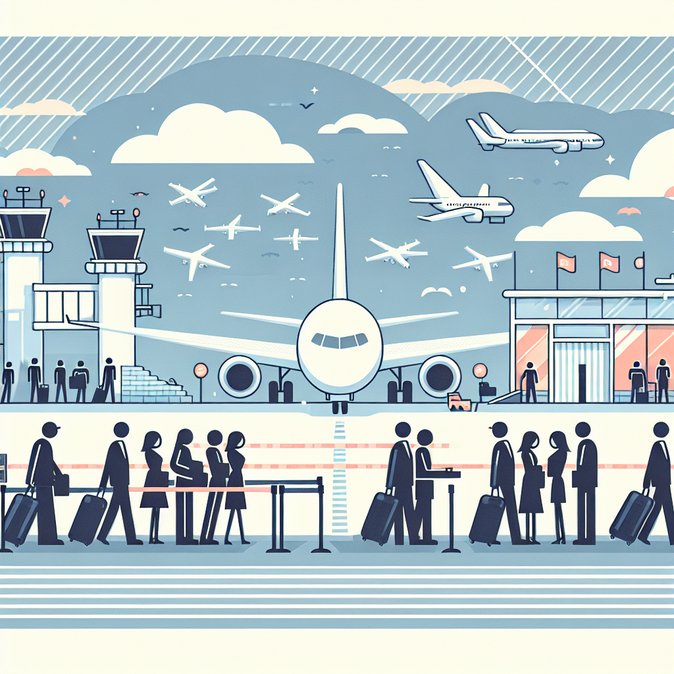
The first airline backlash to the Entry/Exit System arrived on 15 April when UK carrier EasyJet publicly condemned the “unacceptable” queues that caused over a hundred passengers to miss flight U2 2162 from Milan-Linate to Manchester on 12 April. The Connexion France reports that only 34 travellers made it on board; the rest were marooned at Linate for up to 20 hours or forced to buy replacement tickets costing more than £1,600.
![EasyJet blasts ‘unacceptable’ EES delays after 100+ passengers miss Milan–Manchester flight]()
Amid such turbulence, it helps to have every other part of your trip running smoothly. VisaHQ can take at least the visa and travel-document worries off your plate by handling applications, pre-checking paperwork and tracking status updates for France and the wider Schengen area—all from one dashboard. Travellers and mobility teams can learn more at https://www.visahq.com/france/
EasyJet blames airport authorities for opening just one biometric kiosk for non-EU departures, but stranded customers accuse the airline of inadequate assistance and partial refunds. The episode underscores how teething problems with EES are spilling beyond France’s borders, disrupting intra-European itineraries that begin or end in France and eroding traveller confidence. Corporate travel managers note that EasyJet’s statement urges border agencies to use “permitted flexibilities” such as reduced data checks on exit until infrastructure is fully operational. Unless that happens, carriers may need to pad published block times or shift slot allocations, driving up costs and complicating duty-of-care obligations. For mobility teams the incident is a cautionary tale: ensure traveller briefings cover worst-case scenarios, including the possibility of overnight delays and limited airline liability. Consider routing key staff through hubs with proven EES capacity—Paris-Orly’s dedicated business terminal, for example—and negotiating contingency clauses with preferred airlines. The French Interior Ministry is expected to convene an emergency working group with carriers next week; success will depend on whether additional biometric kiosks and staffing can be deployed before the Ascension Day holiday surge in early May.
Amid such turbulence, it helps to have every other part of your trip running smoothly. VisaHQ can take at least the visa and travel-document worries off your plate by handling applications, pre-checking paperwork and tracking status updates for France and the wider Schengen area—all from one dashboard. Travellers and mobility teams can learn more at https://www.visahq.com/france/
EasyJet blames airport authorities for opening just one biometric kiosk for non-EU departures, but stranded customers accuse the airline of inadequate assistance and partial refunds. The episode underscores how teething problems with EES are spilling beyond France’s borders, disrupting intra-European itineraries that begin or end in France and eroding traveller confidence. Corporate travel managers note that EasyJet’s statement urges border agencies to use “permitted flexibilities” such as reduced data checks on exit until infrastructure is fully operational. Unless that happens, carriers may need to pad published block times or shift slot allocations, driving up costs and complicating duty-of-care obligations. For mobility teams the incident is a cautionary tale: ensure traveller briefings cover worst-case scenarios, including the possibility of overnight delays and limited airline liability. Consider routing key staff through hubs with proven EES capacity—Paris-Orly’s dedicated business terminal, for example—and negotiating contingency clauses with preferred airlines. The French Interior Ministry is expected to convene an emergency working group with carriers next week; success will depend on whether additional biometric kiosks and staffing can be deployed before the Ascension Day holiday surge in early May.