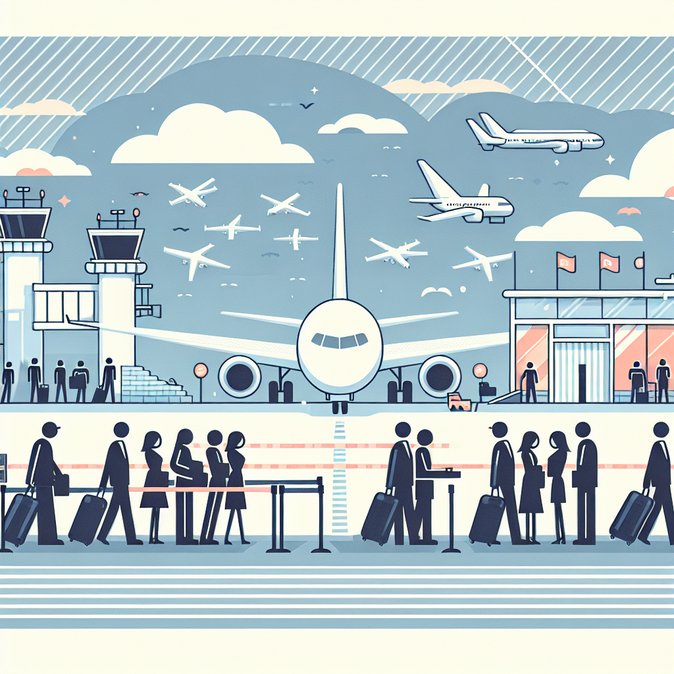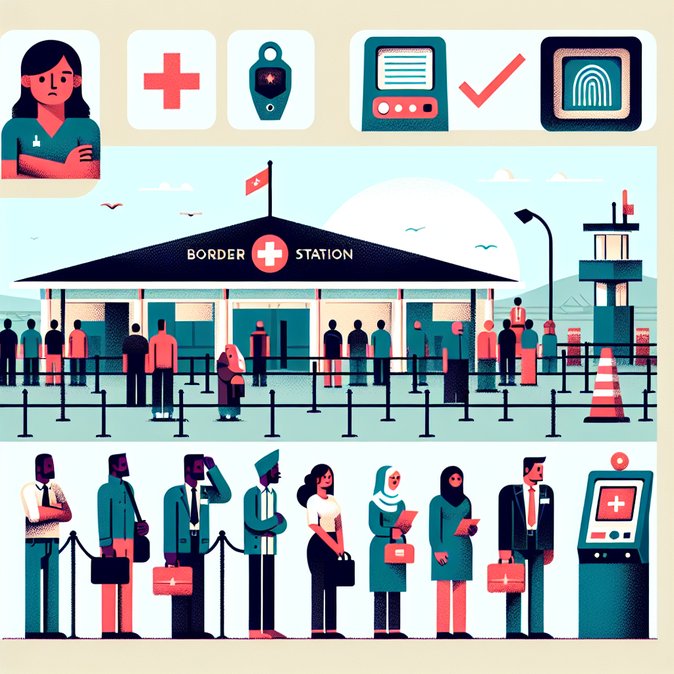
Only five days after France switched over to the EU’s new Entry/Exit System (EES) on 10 April, travel chaos has struck key border points. Reports compiled on 14 April by La Presse (Tunis) and syndicated by AllAfrica describe queues of up to four hours for non-EU passengers at Paris-Charles-de-Gaulle, Eurostar’s Gare du Nord terminal and the Eurotunnel departure zone in Calais. Under EES, every third-country traveller making a short stay in the Schengen Area must provide four fingerprints and a live facial photograph the first time they cross an external border. Once enrolled, a single biometric check is required on subsequent crossings. French airports have installed hundreds of kiosks and upgraded PARAFE e-gates, but early-phase glitches—with hardware offline, software lags and too few staff—have stretched capacity just as spring business-travel volumes rebound.
![Biometric Entry/Exit System causes multi-hour queues at French airports during first full week of operation]()
Amid this adjustment period, travellers who want to be certain their documents and timelines are in order can lean on VisaHQ’s France portal (https://www.visahq.com/france/), which consolidates the latest entry rules, biometric requirements and auxiliary paperwork in one place. The platform streamlines pre-trip planning for individuals and corporate travel departments alike, helping passengers minimise unpleasant surprises when they reach the new EES kiosks.
Airport operators say the bottlenecks stem from a “learning curve” for both travellers and border police. Passengers unfamiliar with the process fumble passport placement and camera alignment, while officers must manually override failed scans to avoid illegal departures. The Ministry of the Interior insists performance will stabilise before the summer rush and notes that the system is a prerequisite for launching ETIAS travel authorisations later in 2026. For multinational companies the operational impact is immediate: travel-policy teams are already advising employees to allow at least an extra two hours at departure, and travel-management companies (TMCs) are flagging potential missed connections at CDG’s hub banks. Airlines have begun issuing proactive SMS alerts; some, including Air France and EasyJet, have temporarily extended minimum check-in cut-off times for long-haul flights. Looking ahead, global mobility leaders should monitor whether France introduces temporary “grace lanes” for frequent business travellers or deploys mobile enrolment teams at corporate campuses, a solution trialled at the Paris 2024 Olympics. Until reliability improves, assignees and visiting executives should build generous buffers into itineraries and carry proof of onward bookings in case of re-routing.

Amid this adjustment period, travellers who want to be certain their documents and timelines are in order can lean on VisaHQ’s France portal (https://www.visahq.com/france/), which consolidates the latest entry rules, biometric requirements and auxiliary paperwork in one place. The platform streamlines pre-trip planning for individuals and corporate travel departments alike, helping passengers minimise unpleasant surprises when they reach the new EES kiosks.
Airport operators say the bottlenecks stem from a “learning curve” for both travellers and border police. Passengers unfamiliar with the process fumble passport placement and camera alignment, while officers must manually override failed scans to avoid illegal departures. The Ministry of the Interior insists performance will stabilise before the summer rush and notes that the system is a prerequisite for launching ETIAS travel authorisations later in 2026. For multinational companies the operational impact is immediate: travel-policy teams are already advising employees to allow at least an extra two hours at departure, and travel-management companies (TMCs) are flagging potential missed connections at CDG’s hub banks. Airlines have begun issuing proactive SMS alerts; some, including Air France and EasyJet, have temporarily extended minimum check-in cut-off times for long-haul flights. Looking ahead, global mobility leaders should monitor whether France introduces temporary “grace lanes” for frequent business travellers or deploys mobile enrolment teams at corporate campuses, a solution trialled at the Paris 2024 Olympics. Until reliability improves, assignees and visiting executives should build generous buffers into itineraries and carry proof of onward bookings in case of re-routing.