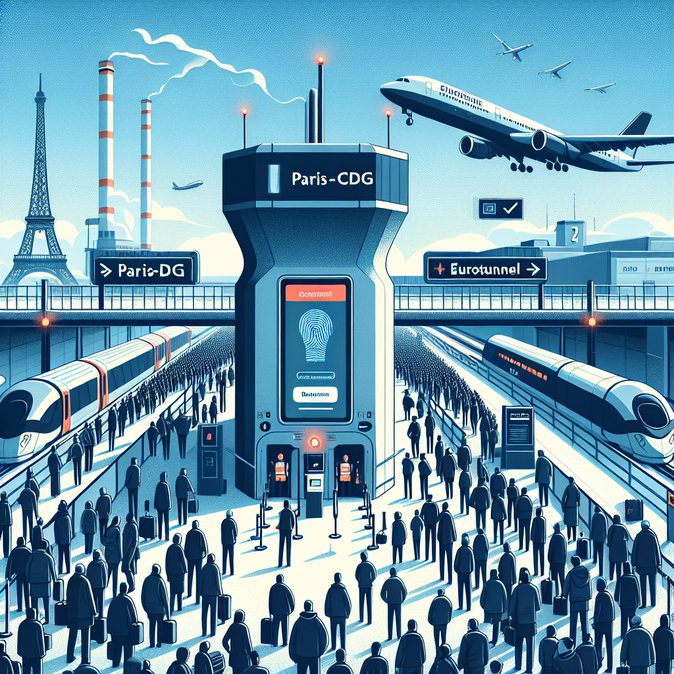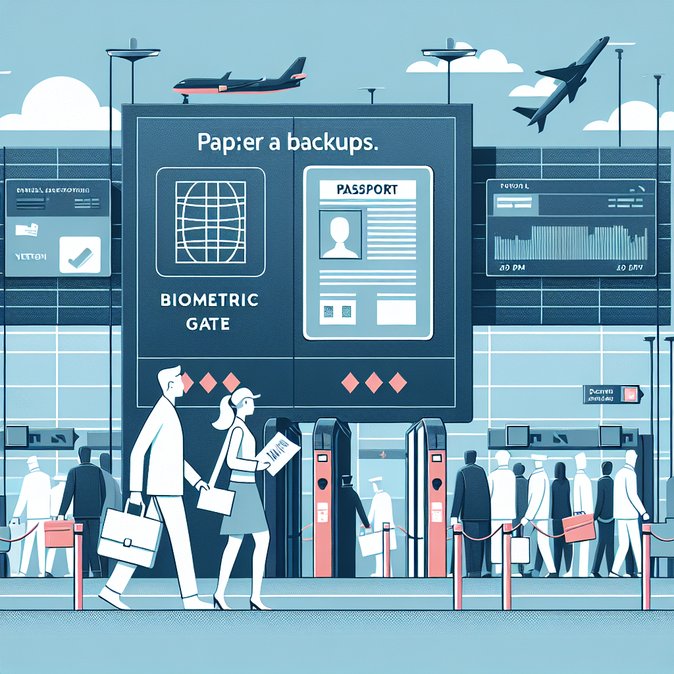
European border authorities issued an unusual weekend advisory urging travellers to print visas, boarding passes and hotel confirmations after a server overload crippled the new Entry/Exit System (EES) on 11 April. The glitch froze biometric kiosks at Paris-Charles-de-Gaulle and other major hubs, leaving non-EU visitors—many on 90/180-day business itineraries—stranded in immigration halls.
![EU Tells Travellers to Carry Paper Back-Ups After EES Outage Hits Paris]()
The EES stores facial images and fingerprints of every third-country national entering or leaving Schengen territory.
For travellers planning future trips, VisaHQ offers a convenient safeguard amid such uncertainties: its online portal not only clarifies Schengen and ETIAS requirements but also allows users to generate and download visa support documents in printable form. Having those hard copies ready—per EU advice—can be the difference between a swift transfer and an unexpected layover (https://www.visahq.com/france/).
When databases went offline, kiosks could not retrieve prior visits, forcing officers to rebuild travel histories manually. “Our calculator apps were useless without connectivity,” a British consultant told Schengen90 after missing a Marseille connection. EU tech teams worked overnight to restore service, but officials acknowledged that resilience will be tested daily as passenger flows ramp up toward summer. IATA and several French employer groups immediately amplified the paper-back-up advice, noting that many corporates have gone fully digital since the pandemic—often relying on cloud-based travel wallets that cannot be displayed without internet access. For mobility departments the guidance is clear: until EES matures, ensure employees carry hard-copy passports (not mobile IDs), plus printed versions of ETIAS approvals, Schengen calculator screenshots and proof of onward travel. Some French multinationals are re-introducing meet-and-greet services at CDG and Orly to shepherd VIP assignees through potential bottlenecks. Despite the disruption, the French Interior Ministry insists the system remains the cornerstone of its post-2025 border strategy, helping enforce overstays and bolstering security. What the weekend showed, however, is that digital borders still require analogue insurance.
The EES stores facial images and fingerprints of every third-country national entering or leaving Schengen territory.
For travellers planning future trips, VisaHQ offers a convenient safeguard amid such uncertainties: its online portal not only clarifies Schengen and ETIAS requirements but also allows users to generate and download visa support documents in printable form. Having those hard copies ready—per EU advice—can be the difference between a swift transfer and an unexpected layover (https://www.visahq.com/france/).
When databases went offline, kiosks could not retrieve prior visits, forcing officers to rebuild travel histories manually. “Our calculator apps were useless without connectivity,” a British consultant told Schengen90 after missing a Marseille connection. EU tech teams worked overnight to restore service, but officials acknowledged that resilience will be tested daily as passenger flows ramp up toward summer. IATA and several French employer groups immediately amplified the paper-back-up advice, noting that many corporates have gone fully digital since the pandemic—often relying on cloud-based travel wallets that cannot be displayed without internet access. For mobility departments the guidance is clear: until EES matures, ensure employees carry hard-copy passports (not mobile IDs), plus printed versions of ETIAS approvals, Schengen calculator screenshots and proof of onward travel. Some French multinationals are re-introducing meet-and-greet services at CDG and Orly to shepherd VIP assignees through potential bottlenecks. Despite the disruption, the French Interior Ministry insists the system remains the cornerstone of its post-2025 border strategy, helping enforce overstays and bolstering security. What the weekend showed, however, is that digital borders still require analogue insurance.