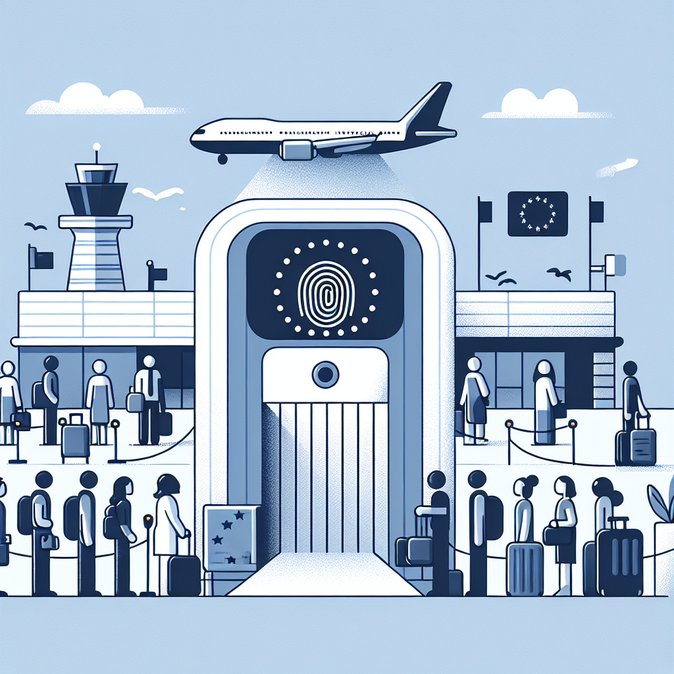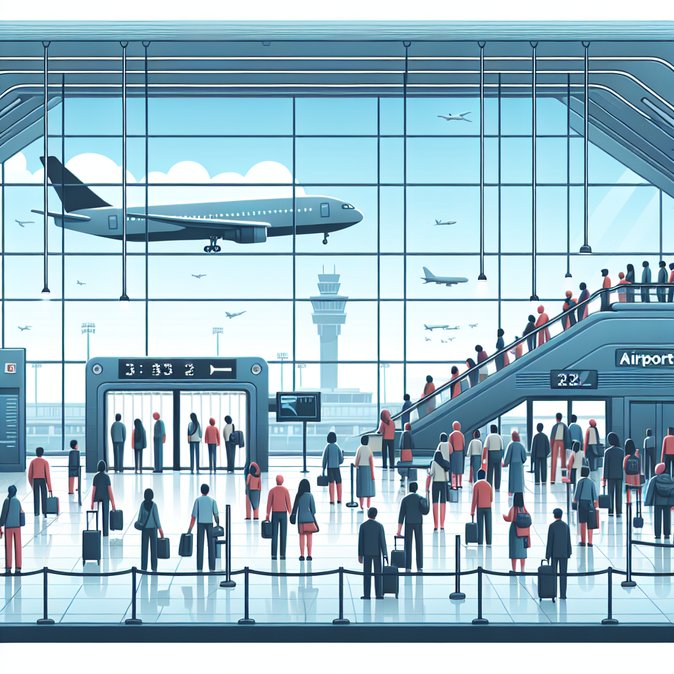
Four days after the EU’s biometric Entry/Exit System (EES) became mandatory, Vienna-Schwechat Airport is struggling with unprecedented border-control queues for non-EU passengers. Local media report that several morning departures on 13–14 April left with dozens of empty seats because travellers were still waiting to complete the new fingerprint-and-face capture required on their first post-10 April entry into the Schengen Area. ACI Europe and Airlines for Europe (A4E) confirm wait times of up to three hours during peak-arrival “bank” periods. EES replaces passport stamps with a digital record of each traveller’s movements and is designed to tighten enforcement of the 90/180-day stay rule. While the European Commission insists initial enrolment should take about 70 seconds, Vienna Airport officials say real-world processing often exceeds two minutes, creating bottlenecks when several wide-body flights land simultaneously.
![Biometric Entry/Exit System causes three-hour queues at Vienna Airport; travellers advised to arrive early]()
For travellers trying to navigate these evolving border requirements, VisaHQ can provide real-time guidance on EES procedures and future roll-outs such as ETIAS. Its Austria page (https://www.visahq.com/austria/) aggregates official updates, offers personalised document checks and can flag when extra connection time or alternative routings might be prudent—helping minimise the risk of missed flights and itinerary disruption.
To avoid missed connections, the airport now urges third-country nationals to check in at least four hours before departure and to use newly installed self-service kiosks where available. Airlines operating from Vienna are reviewing minimum connection and check-in times, and some corporate travel departments have issued flash alerts advising staff to route via hubs with lighter EES traffic or to schedule meetings later on arrival days. Travel insurers also warn that “missed flight” clauses may not cover delays triggered by immigration technology roll-outs. Austria’s Interior Ministry says additional border-police staff will be redeployed to Vienna and Salzburg airports over the Easter school-holiday peak, and that lessons learned will feed into the wider Schengen roll-out of the European Travel Information and Authorisation System (ETIAS) in October. Business travellers should monitor carrier advisories and build longer buffers into itineraries until stabilisation is confirmed.
For travellers trying to navigate these evolving border requirements, VisaHQ can provide real-time guidance on EES procedures and future roll-outs such as ETIAS. Its Austria page (https://www.visahq.com/austria/) aggregates official updates, offers personalised document checks and can flag when extra connection time or alternative routings might be prudent—helping minimise the risk of missed flights and itinerary disruption.
To avoid missed connections, the airport now urges third-country nationals to check in at least four hours before departure and to use newly installed self-service kiosks where available. Airlines operating from Vienna are reviewing minimum connection and check-in times, and some corporate travel departments have issued flash alerts advising staff to route via hubs with lighter EES traffic or to schedule meetings later on arrival days. Travel insurers also warn that “missed flight” clauses may not cover delays triggered by immigration technology roll-outs. Austria’s Interior Ministry says additional border-police staff will be redeployed to Vienna and Salzburg airports over the Easter school-holiday peak, and that lessons learned will feed into the wider Schengen roll-out of the European Travel Information and Authorisation System (ETIAS) in October. Business travellers should monitor carrier advisories and build longer buffers into itineraries until stabilisation is confirmed.