Police Bust Basque Consultancy Ring Selling Fake Papers for Spain’s 2026 Migrant Regularisation
Brazil Approves R$1 Billion Emergency Credit Line to Keep Airlines Flying
EU ‘Return Regulation’ Talks Stall, Leaving Belgium’s Deportation Timetable in Limbo
Latest News

India issues Ebola health advisory for incoming international passengers
On 21 May the Indian government ordered intensified health screening at all ports of entry for passengers coming from Ebola-hit Congo, Uganda and South Sudan. Travellers with symptoms must declare themselves before immigration and may face quarantine, creating added compliance for companies moving staff from Africa to India.
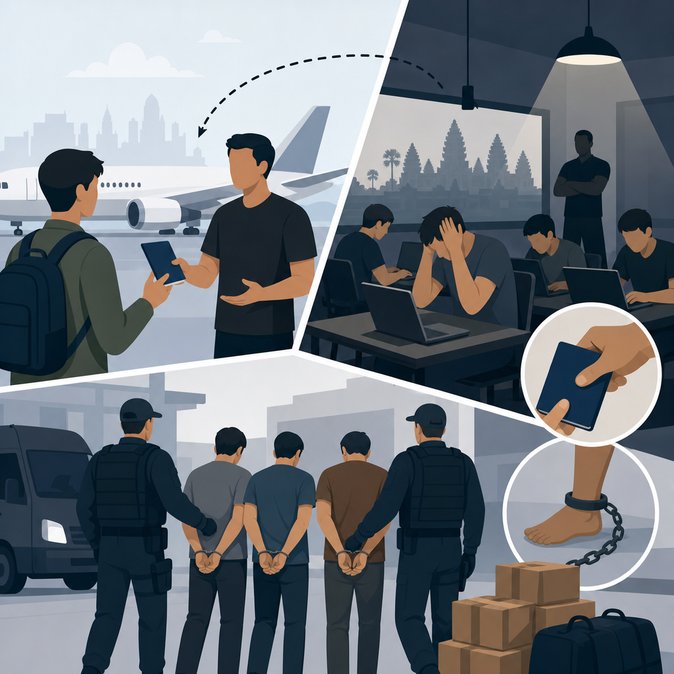
Brazil’s Federal Police Smash Human-Trafficking Ring Sending Brazilians to Cambodia
Brazil’s Federal Police arrested three people and broke up a network that trafficked Brazilians to Cambodia to run online scams under forced-labour conditions. Dozens of victims had their passports seized and were subjected to violence and debt bondage. The case underscores emerging duty-of-care risks for companies sending staff or contractors to Southeast Asia.

Berlin freezes new spots in federally funded integration courses, leaving up to 129,500 newcomers without language training
A February directive from the Interior Ministry has halted new admissions to federally funded integration courses for groups without a statutory right, affecting up to 129,500 prospective participants in 2026. Municipalities and course providers warn the freeze will hamper labour-market integration just as companies hunt for skilled workers. Employers may have to budget for private language tuition to keep assignments on schedule.
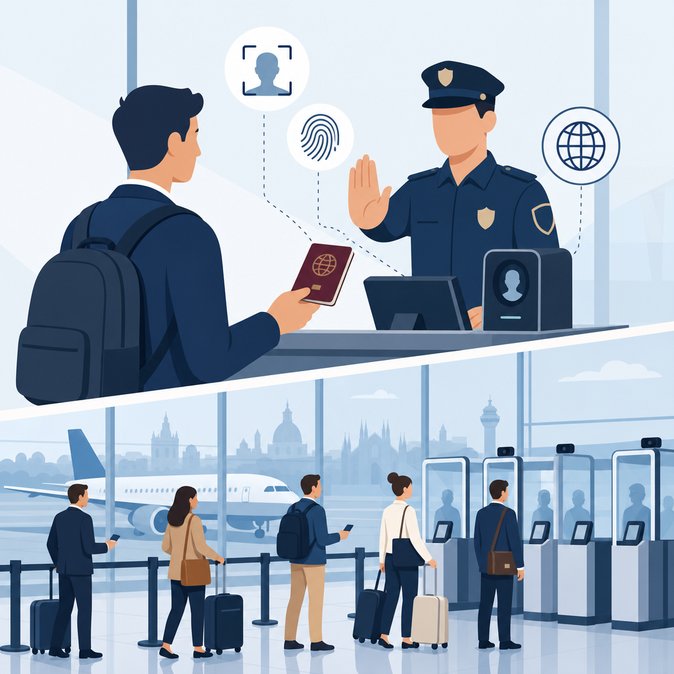
Italy Announces Stricter Border Checks Under New EU Entry/Exit & ETIAS Rules
From 21 May 2026, Italian border officials can bar travellers—even those with a valid passport—if they have not completed the EU’s new biometric Entry/Exit System or (when launched) obtained an ETIAS travel authorisation. Business travellers should expect longer queues this summer and plan extra time at Rome, Milan and other major airports while the systems bed in.

Red Rainstorm Warning Triggers Widespread Flooding and Travel Disruptions in Hong Kong
Torrential rain in the early hours of 21 May triggered a Red Rainstorm Warning, flooding roads, slowing rail services and extending bus journey times to Hong Kong International Airport by up to 45 minutes. Although flights continued, airlines urged passengers to allow extra time for immigration and security. The incident highlights the need for robust weather-related contingency planning by companies relying on cross-boundary travel and time-critical logistics.

France’s Highest Court Orders Government to Fix Malfunctioning Online Residence-Permit Portal
The Conseil d’État has ordered the Interior Ministry to repair major faults in the ANEF residence-permit platform within six months, after ruling that the glitches unlawfully restrict foreigners’ rights. The decision should ease renewal delays that have disrupted work contracts and payrolls for international staff in France and forces the government to improve simultaneous filings, error correction and digital receipts.
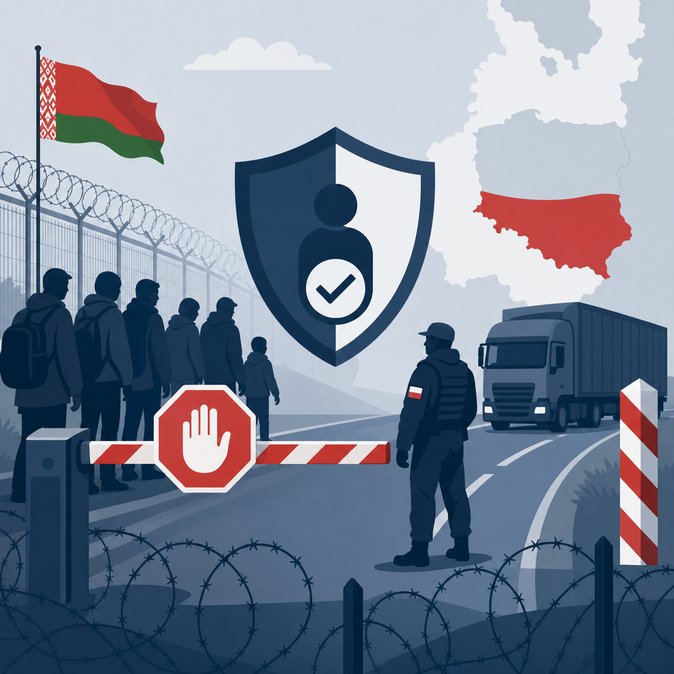
Poland Extends Ban on Asylum Applications at the Belarus Border for a Seventh Time
On 21 May 2026 Poland renewed its temporary order blocking most asylum applications at the Belarus border for another 60 days. Officials say Minsk is still "weaponising" migration, citing security risks. Since March 2025 the measure has prevented 475 people from claiming protection, allowing only limited humanitarian exceptions. The move further tightens travel and cargo flows into Poland, raising compliance and cost concerns for employers and mobility managers.

Brussels hails Cyprus’ progress toward Schengen membership
The European Commission’s 2026 “State of Schengen” report gives Cyprus a positive review, saying the island’s border-control and visa systems now meet almost all Schengen standards. If final technical fixes are completed, EU ministers could vote on accession in December, ending passport checks for travel between Cyprus and the rest of the Schengen area. HR teams, airlines and multinationals should prepare for new compliance rules and faster staff movements.

China Extends 30-Day Visa-Free Entry for Russian Citizens to 2027
Beijing has extended its 30-day visa-free entry for Russian citizens until 31 December 2027. The policy, first launched in 2025, now gives Russian business travellers and tourists more than 18 extra months of hassle-free access to China, boosting cross-border commerce and tourism. Multinationals gain greater flexibility for short-term assignments, while airlines and tour operators anticipate increased demand on Sino-Russian routes. The announcement was made one day after President Putin’s state visit, underscoring the two countries’ deepening strategic partnership.

UAE Sets 1 June Deadline for Monthly Salary Payments Under Overhauled Wage Protection System
From 1 June 2026, every UAE private-sector employer must deposit salaries on the first day of the month under new Wage Protection System rules. Late payments will automatically block new work-permit processing and attract fines, making strict payroll discipline essential for multinationals and mobility managers. The measure underscores the UAE’s push for real-time, AI-enabled labour-market compliance.

Canada creates humanitarian exemption so unaccompanied minors can still seek asylum
IRCC has issued a temporary public policy, effective May 20 2026, that exempts unaccompanied minors from Bill C-12’s new deadlines that would otherwise make many refugee claims ineligible for referral to the Immigration and Refugee Board. The move ensures that children without guardians can still access Canada’s asylum system and gives officers clear instructions on how to process such claims. Employers benefit from added clarity when transferees’ dependants file protection claims.

Switzerland Sets 12 June Start-Date for EU Migration & Asylum Pact Measures
On 20 May 2026 the Swiss Federal Council approved a raft of legal and regulatory changes that will place Switzerland in full alignment with the EU’s new Migration & Asylum Pact when it takes effect on 12 June 2026. The reforms introduce a mandatory border-screening procedure, update data-sharing rules with Eurodac and amend numerous immigration ordinances. Business travellers can expect additional identity and biometric checks, while employers must update compliance processes quickly. The move underscores Bern’s commitment to Schengen cooperation and will influence mobility planning for companies with Swiss operations.

Belgium Aligns Highly-Qualified Worker Rules with EU Law, Simplifying Blue-Card Mobility
On 20 May Belgium amended its immigration law to reflect the EU’s revamped Blue-Card Directive. Key gains include a shorter six-month standstill for intra-EU mobility, faster work rights for dependants and cleaner legal references—reducing rejections on the Working in Belgium portal. The update gives companies clearer, faster pathways to deploy high-skill talent into Belgian projects.
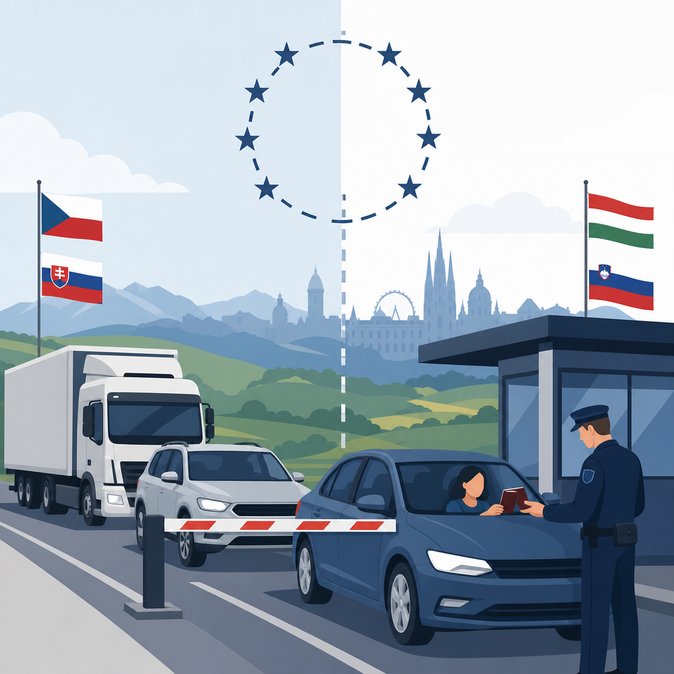
Austria prolongs internal Schengen border checks with four neighbours until mid-2026
Vienna has extended its ‘temporary’ border controls with Czechia, Slovakia, Hungary and Slovenia for another year, keeping ID checks in place until 15 June 2026. Although crossings remain open, the decision creates added friction for commuters, logistics firms and corporate travellers who must allow extra time and carry full documentation. The extension underscores the gradual fragmentation of passport-free travel within Schengen.

Austria transposes EU Asylum & Migration Pact and caps refugee family reunification
Parliament has passed the Asylum & Migration Pact Adaptation Act, bringing EU rules into Austrian law and introducing an annual cap on refugee family-reunion visas. The law also replaces the admissibility interview with a rapid screening, lengthens permissible detention at airports and strengthens independent oversight of border procedures. While designed to relieve pressure on public services, the quota system will require businesses and NGOs to plan family moves well in advance.

Thailand cuts visa-free stay for Indians back to 30 days
Bangkok has scrapped the 60-day visa-free stay it introduced in 2024, restoring the earlier 30-day limit for Indian passport holders. Travellers staying longer will now need an e-Visa or pay for an in-country extension, raising compliance stakes for business trips. Mobility teams should adjust itineraries and alert travellers to possible re-booking costs.

Security fears over Iran conflict dent Cyprus’ vital tourism market
Visitor arrivals to Cyprus fell by almost a third in March-April as the war in Iran spurred European travel warnings and insurance surcharges. Airport operator Hermes expects summer traffic to be down 10 percent, squeezing airlines, hotels and business-travel budgets. Companies moving staff through Cyprus should anticipate higher fares and limited seat availability until security concerns ease.