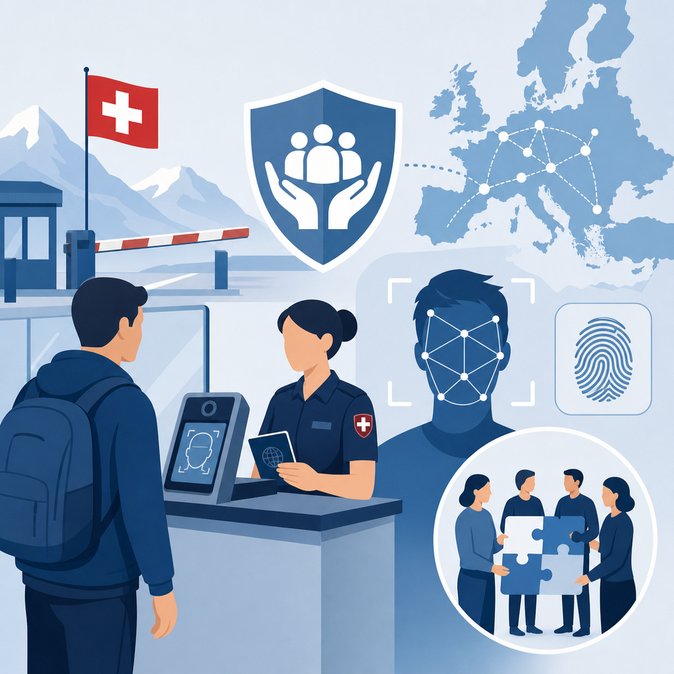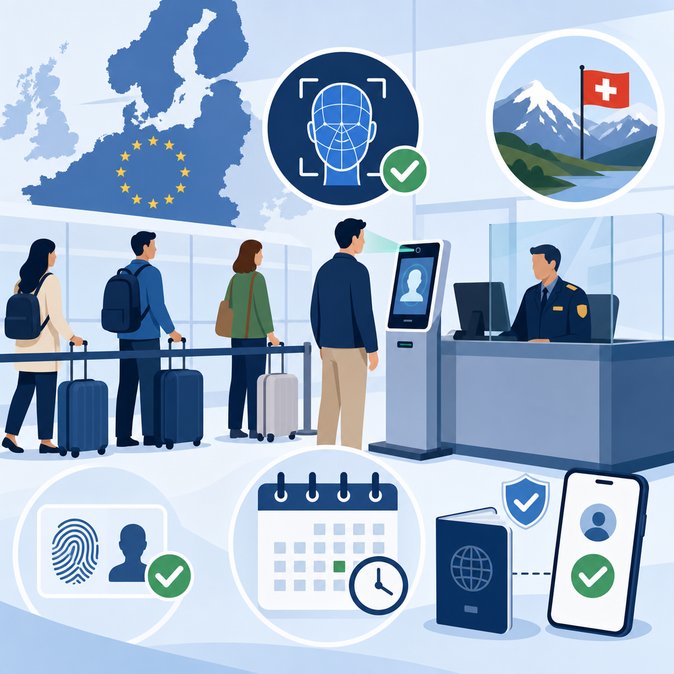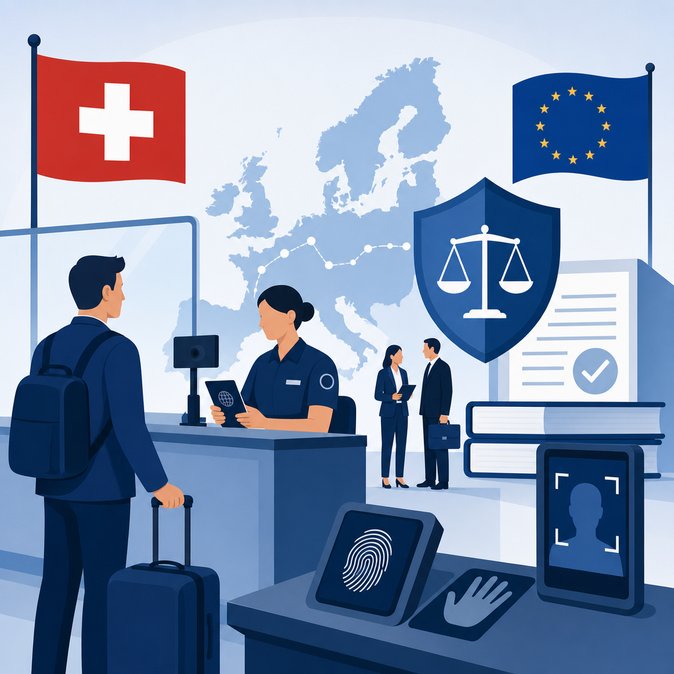
In a decisive step that aligns Swiss practice with the European Union’s sweeping Migration and Asylum Pact, the Federal Council on 20 May 2026 adopted a package of statutory and regulatory amendments that will enter into force on 12 June 2026. As an associated Schengen/Dublin state, Switzerland is obliged to transpose large parts of the new EU framework, which aims to tighten control at the external borders, streamline asylum processing and establish a binding solidarity mechanism among member and associated states. The most visible change for travellers and employers will be the introduction of a mandatory “screening” procedure at the Schengen external border, under which newly-arrived third-country nationals are identified biometrically, health-checked and channelled either to a fast-track return process, a border asylum procedure or the normal asylum system. Swiss authorities will operate the same model at Zurich, Geneva and Basel airports as well as at the main land borders with France, Germany, Austria and Italy. Behind the scenes, the State Secretariat for Migration (SEM) has amended more than a dozen ordinances, including the Asylum Ordinance 1 (procedures), Asylum Ordinance 3 (data processing), the Ordinance on Entry and Visa Issuance (VEV), and the Ordinance on Admission, Residence and Gainful Employment (VZAE). These texts spell out how biometric data will be collected, how vulnerable persons (such as unaccompanied minors) must be treated and how information will be shared with Eurodac, the EU’s common fingerprint and facial-image database.
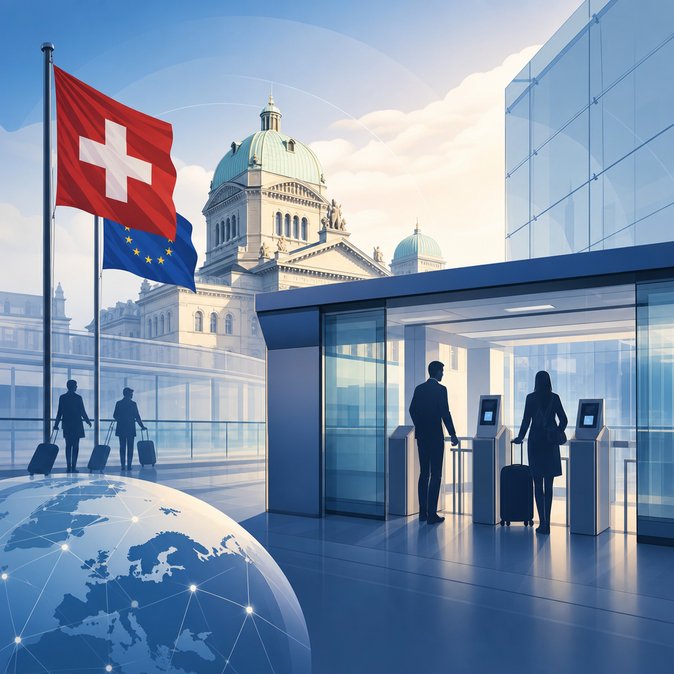
![Switzerland Sets 12 June Start-Date for EU Migration & Asylum Pact Measures]()
For individual travelers and corporate mobility teams seeking assistance navigating these new Swiss entry rules, the visa and passport specialists at VisaHQ can provide up-to-date guidance, document checklists and end-to-end application handling. Their Switzerland portal (https://www.visahq.com/switzerland/) consolidates the latest government requirements and lets users start visa or passport services online, helping companies and individuals comply with the forthcoming screening and data-collection procedures quickly and accurately.
For companies that move talent in and out of Switzerland, the short lead time is critical. Travellers who could previously transit the Schengen area with minimal formalities may now be subjected to additional checks, and carriers will need to update their Advanced Passenger Information (API) systems to ensure that all required data are transmitted before boarding. HR departments are being urged to brief employees who are frequent flyers—particularly those who travel on laissez-passer or emergency documents—about the new screening, recording and referral procedures. Longer-term, Bern expects the pact to relieve pressure on the national asylum system by reducing so-called "secondary movements"—migrants who lodge applications in Switzerland after first registering elsewhere in Europe. At the same time, the solidarity mechanism could require Switzerland to contribute places for relocations from heavily-burdened Mediterranean states. Budget allocations for reception infrastructure and for the fingerprinting upgrade at regional airports have already been approved by Parliament.
For individual travelers and corporate mobility teams seeking assistance navigating these new Swiss entry rules, the visa and passport specialists at VisaHQ can provide up-to-date guidance, document checklists and end-to-end application handling. Their Switzerland portal (https://www.visahq.com/switzerland/) consolidates the latest government requirements and lets users start visa or passport services online, helping companies and individuals comply with the forthcoming screening and data-collection procedures quickly and accurately.
For companies that move talent in and out of Switzerland, the short lead time is critical. Travellers who could previously transit the Schengen area with minimal formalities may now be subjected to additional checks, and carriers will need to update their Advanced Passenger Information (API) systems to ensure that all required data are transmitted before boarding. HR departments are being urged to brief employees who are frequent flyers—particularly those who travel on laissez-passer or emergency documents—about the new screening, recording and referral procedures. Longer-term, Bern expects the pact to relieve pressure on the national asylum system by reducing so-called "secondary movements"—migrants who lodge applications in Switzerland after first registering elsewhere in Europe. At the same time, the solidarity mechanism could require Switzerland to contribute places for relocations from heavily-burdened Mediterranean states. Budget allocations for reception infrastructure and for the fingerprinting upgrade at regional airports have already been approved by Parliament.