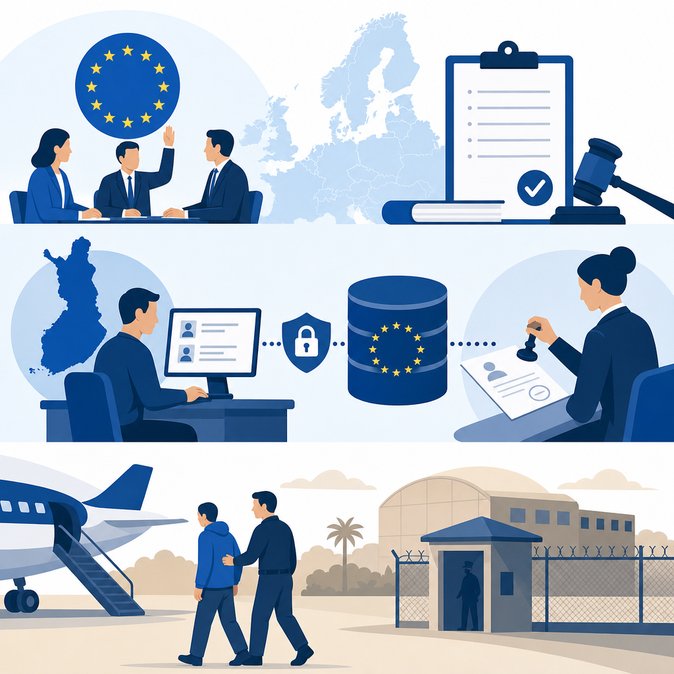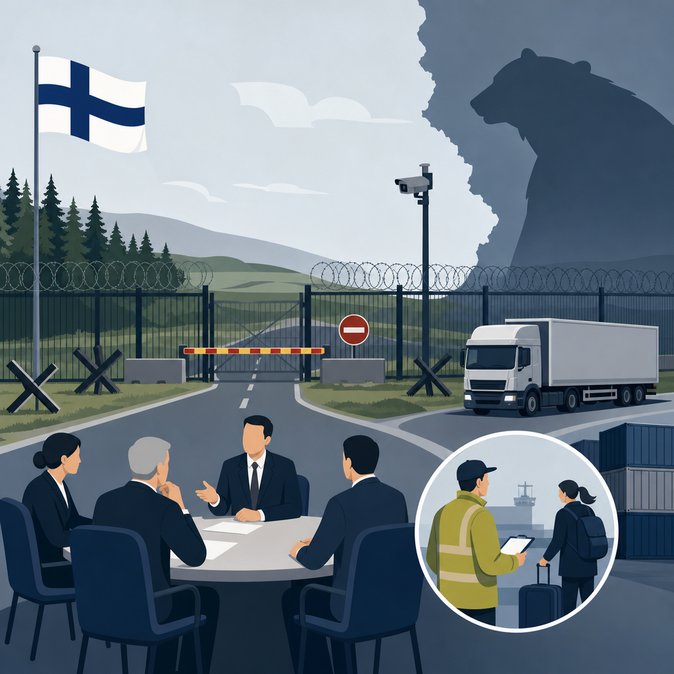
A cross-party working group of Finland’s Parliament handed its final security report to Defence Minister Antti Häkkänen late on 2 June, painting a bleak picture of Russia’s intentions and recommending that extraordinary border-control powers remain in place well into the 2030s. The group—set up after Finland joined NATO in 2024—concluded that Moscow’s capacity to destabilise neighbouring countries through ‘instrumentalised migration’ and hybrid attacks is likely to persist for at least a decade. Although the report focuses on defence, its findings have direct implications for mobility professionals.
![Parliamentary Report Warns of Prolonged Russian Threat, Recommends Keeping Eastern Border Controls Tight]()
For organisations and travellers trying to navigate those shifting rules, VisaHQ offers real-time visa and entry-requirement updates for Finland and the wider Schengen area, along with application support that can be initiated online at https://www.visahq.com/finland/ The service’s alerts on sudden border-point closures or carrier-liability changes can help mobility teams and logistics managers adjust itineraries before extra costs or delays arise.
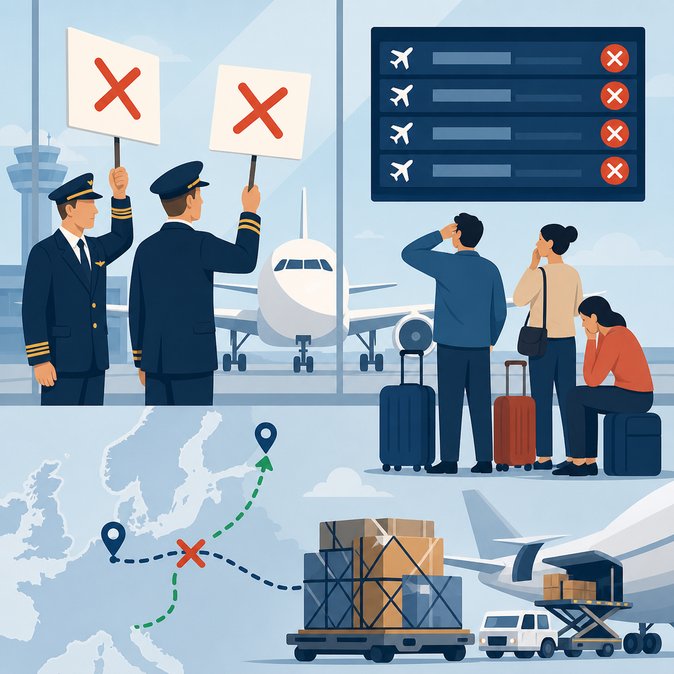
Since late 2023, all eight land-crossing points with Russia have been closed to passenger traffic under a series of cabinet decrees. The working group argues that reopening them prematurely would invite renewed “pressure campaigns” using asylum seekers as leverage. For businesses, the message is clear: the once-routine road connection between Helsinki and St Petersburg will stay unpredictable. Logistics firms may need to rely on Baltic Sea ferry routes or air cargo, adding both cost and transit time. Global-mobility managers overseeing Russian staff based in Finland will have to continue using Schengen air corridors—often via Istanbul, Belgrade or Dubai—for rotation travel. The report also urges the government to extend the temporary Border Security Act before its current sunset date of 31 December 2026. Interior-ministry officials confirmed to Daily Finland that a fast-track bill is already being drafted for submission in September. If passed, it would allow authorities to continue summarily closing individual crossing points, restrict asylum applications to designated locations, and build additional physical barriers. Legal advisers warn that companies moving non-EU staff through Finland should monitor the legislative timetable: a prolonged state of emergency at the border could lead to short-notice changes in permitted entry points, document checks and carrier-liability fines. Meanwhile, the Border Guard is seeking €17 million in extra EU funding for drone surveillance, signalling that high-tech monitoring—not a return to normal traffic—will define the eastern frontier for years to come.

For organisations and travellers trying to navigate those shifting rules, VisaHQ offers real-time visa and entry-requirement updates for Finland and the wider Schengen area, along with application support that can be initiated online at https://www.visahq.com/finland/ The service’s alerts on sudden border-point closures or carrier-liability changes can help mobility teams and logistics managers adjust itineraries before extra costs or delays arise.
Since late 2023, all eight land-crossing points with Russia have been closed to passenger traffic under a series of cabinet decrees. The working group argues that reopening them prematurely would invite renewed “pressure campaigns” using asylum seekers as leverage. For businesses, the message is clear: the once-routine road connection between Helsinki and St Petersburg will stay unpredictable. Logistics firms may need to rely on Baltic Sea ferry routes or air cargo, adding both cost and transit time. Global-mobility managers overseeing Russian staff based in Finland will have to continue using Schengen air corridors—often via Istanbul, Belgrade or Dubai—for rotation travel. The report also urges the government to extend the temporary Border Security Act before its current sunset date of 31 December 2026. Interior-ministry officials confirmed to Daily Finland that a fast-track bill is already being drafted for submission in September. If passed, it would allow authorities to continue summarily closing individual crossing points, restrict asylum applications to designated locations, and build additional physical barriers. Legal advisers warn that companies moving non-EU staff through Finland should monitor the legislative timetable: a prolonged state of emergency at the border could lead to short-notice changes in permitted entry points, document checks and carrier-liability fines. Meanwhile, the Border Guard is seeking €17 million in extra EU funding for drone surveillance, signalling that high-tech monitoring—not a return to normal traffic—will define the eastern frontier for years to come.