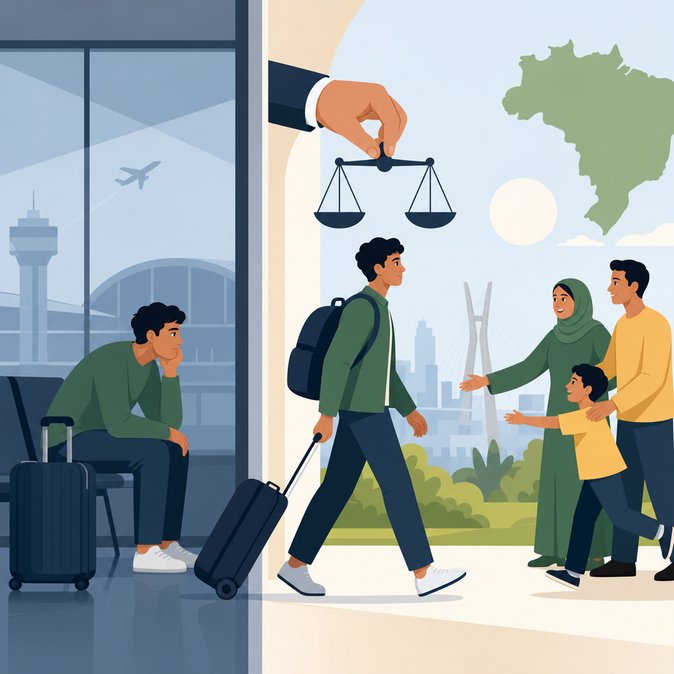
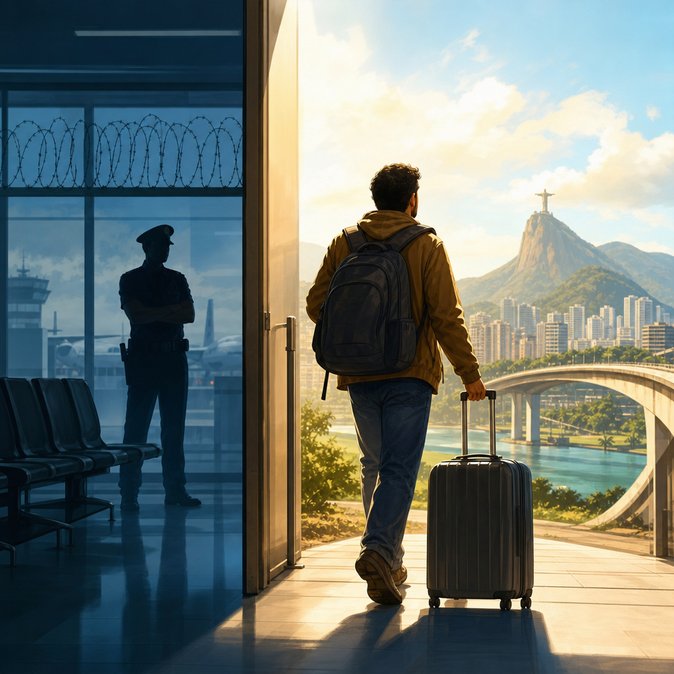
In a case that has drawn comparisons with the film “The Terminal”, Brazil’s Federal Court for the 3rd Region on 30 May authorised Egyptian national Abdallah Montaser to enter the country after he spent 51 days confined to the international-transit area of São Paulo/Guarulhos Airport. Montaser had arrived on 9 April accompanying his Brazilian wife—eight months pregnant—and two children, but was denied entry when officers questioned the authenticity of his documents. While the family was eventually released following consular intervention, Montaser remained blocked because the Federal Police claimed irregularities in his marriage certificate. The court ruling considered the prolonged detention disproportionate and found no evidence that the traveller posed a migration-security risk. Judges instructed the authorities to issue him a temporary residence permit pending full analysis of the paperwork. The decision reinforces recent jurisprudence prioritising the constitutional right to family unity over administrative migration doubts.
![Federal Court Lets Egyptian Passenger Enter Brazil After 51 Days in Limbo]()
Travellers hoping to avoid such last-minute complications can lean on document-processing specialists like VisaHQ, which provides personalised checklists, apostille guidance and real-time status tracking for Brazil-bound passengers (https://www.visahq.com/brazil/). By flagging inconsistencies before departure, VisaHQ helps families and corporate assignees align their paperwork with Brazilian Federal Police requirements—dramatically reducing the chance of facing an unexpected airport limbo.
For global-mobility managers, the case highlights the importance of meticulous document preparation—especially for dependants—yet also offers reassurance that judicial relief is available when border decisions appear excessive. Law firms note that businesses sponsoring foreign experts should keep emergency contact protocols ready so counsel can file habeas-corpus petitions rapidly if employees are refused entry. They also recommend maintaining notarised and apostilled originals of civil documents to reduce the likelihood of authenticity challenges. The Federal Police said it will review its procedures at Guarulhos, Brazil’s busiest international gateway, to ensure quicker document-verification or, where doubts persist, prompt referral to specialised migration desks rather than prolonged airside confinement.
Travellers hoping to avoid such last-minute complications can lean on document-processing specialists like VisaHQ, which provides personalised checklists, apostille guidance and real-time status tracking for Brazil-bound passengers (https://www.visahq.com/brazil/). By flagging inconsistencies before departure, VisaHQ helps families and corporate assignees align their paperwork with Brazilian Federal Police requirements—dramatically reducing the chance of facing an unexpected airport limbo.
For global-mobility managers, the case highlights the importance of meticulous document preparation—especially for dependants—yet also offers reassurance that judicial relief is available when border decisions appear excessive. Law firms note that businesses sponsoring foreign experts should keep emergency contact protocols ready so counsel can file habeas-corpus petitions rapidly if employees are refused entry. They also recommend maintaining notarised and apostilled originals of civil documents to reduce the likelihood of authenticity challenges. The Federal Police said it will review its procedures at Guarulhos, Brazil’s busiest international gateway, to ensure quicker document-verification or, where doubts persist, prompt referral to specialised migration desks rather than prolonged airside confinement.