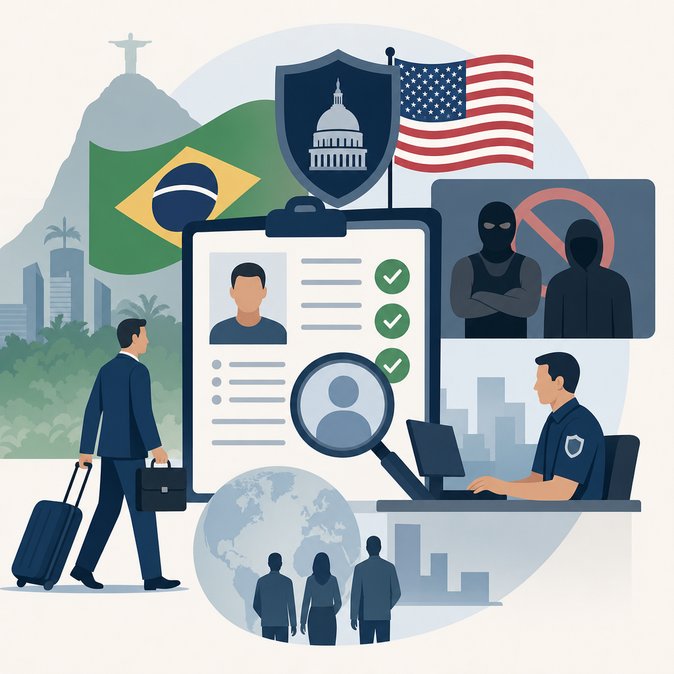
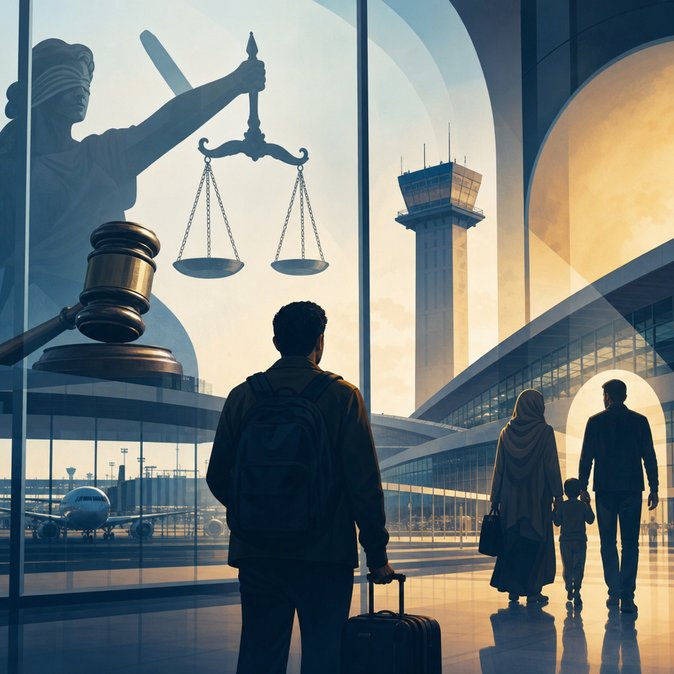
After spending 51 days in the restricted zone of São Paulo/Guarulhos International Airport, Egyptian engineer Abdallah Saad Ali Montaser finally walked through the arrivals doors in the early hours of 30 May. A ruling by the 6th Federal Court of Guarulhos found that the Federal Police had failed to present concrete evidence linking Montaser to any security threat and ordered his immediate admission to Brazilian territory. His pregnant wife and two young children had already been allowed in weeks earlier, leaving the family separated inside the airport for more than a month. The saga began on 8 April, when the family landed from Doha seeking refuge from intensifying conflict in the Middle East. Citing confidential intelligence, airport officers denied Montaser entry under Portaria 770/2022—an emergency measure that lets authorities bar travellers deemed a risk to “public order or national security.” Human-rights groups argued the portaria was being applied far beyond its original anti-pandemic scope, effectively turning the arrivals hall into an improvised detention centre. In a 27-page decision, Judge Diego Paes Moreira ruled that extended confinement without due process violated Brazil’s Migration Law and constitutional guarantees of family unity. The judgment also criticised the lack of a formal appeals mechanism for people detained under the portaria and urged the ministries of Justice and Foreign Affairs to review current airport procedures. For mobility managers, the case is a stark reminder that humanitarian exceptions can collide with ad-hoc security vetting.
![Brazilian Court Allows Entry of Egyptian Refugee After 51-Day Airport Ordeal]()
VisaHQ’s global visa-processing platform can help minimise such uncertainties. Its Brazil-focused services (https://www.visahq.com/brazil/) monitor the latest federal portaria updates and pre-screen travellers’ documentation, giving employers and families an extra layer of assurance before they set foot in Guarulhos or any other Brazilian port of entry.
Companies relocating staff to Brazil should ensure travellers carry complete documentation and, where appropriate, seek pre-clearance from the Federal Police. Legal observers expect the ruling to accelerate pressure on Brasília to publish clear timelines for immigration reviews at ports of entry and to expand access to habeas-corpus relief for detained foreigners. In practical terms, Montaser’s release limits reputational damage ahead of the peak winter-holiday season and signals that Brazilian courts will intervene when administrative discretion becomes disproportionate. Multinationals with Middle-East talent pipelines may now reference the decision as persuasive precedent when challenging entry denials.
VisaHQ’s global visa-processing platform can help minimise such uncertainties. Its Brazil-focused services (https://www.visahq.com/brazil/) monitor the latest federal portaria updates and pre-screen travellers’ documentation, giving employers and families an extra layer of assurance before they set foot in Guarulhos or any other Brazilian port of entry.
Companies relocating staff to Brazil should ensure travellers carry complete documentation and, where appropriate, seek pre-clearance from the Federal Police. Legal observers expect the ruling to accelerate pressure on Brasília to publish clear timelines for immigration reviews at ports of entry and to expand access to habeas-corpus relief for detained foreigners. In practical terms, Montaser’s release limits reputational damage ahead of the peak winter-holiday season and signals that Brazilian courts will intervene when administrative discretion becomes disproportionate. Multinationals with Middle-East talent pipelines may now reference the decision as persuasive precedent when challenging entry denials.