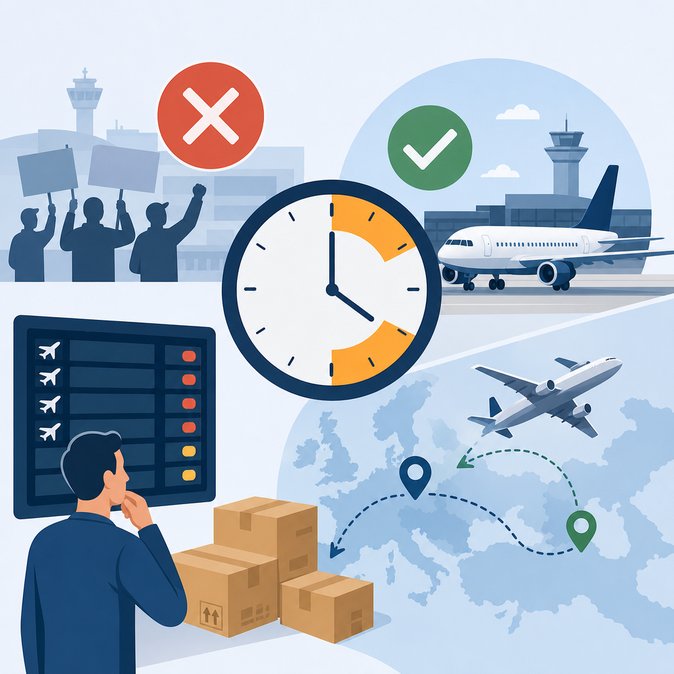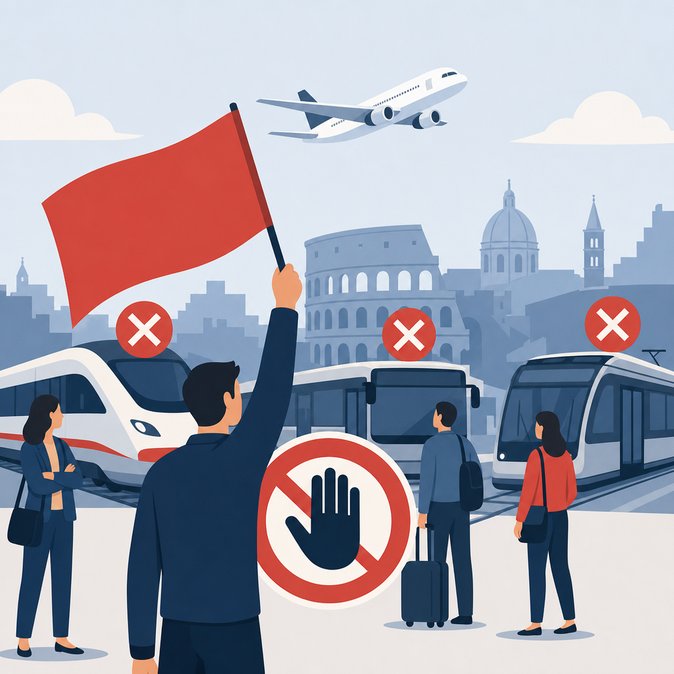
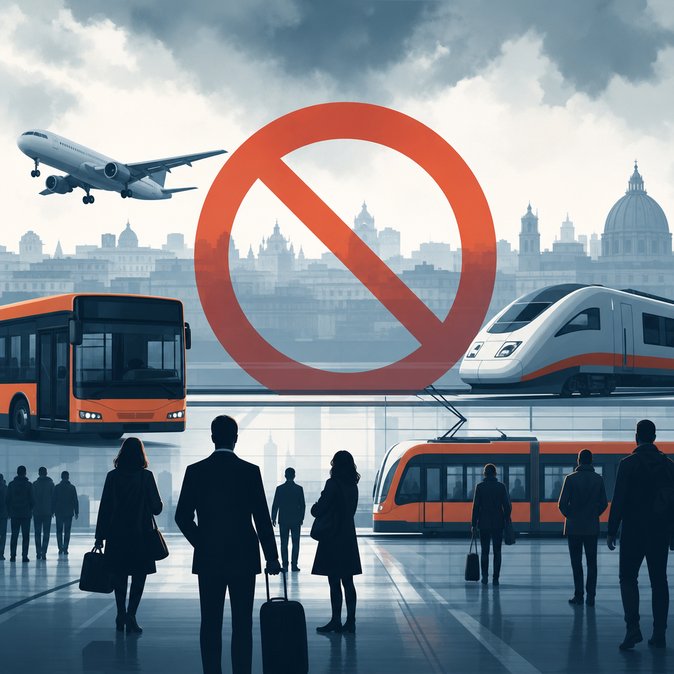
Italy is bracing for its third general strike this month, and it is shaping up to be the most disruptive to date. The 24-hour walk-out, called by a coalition of transport, public-sector and grassroots unions, will begin at 00:00 on Friday, 29 May and run until 23:59. Air, rail and local transit services will be hit hardest, with knock-on effects expected to spread into the weekend. Airports are preparing for reduced schedules after ground-handling staff and some air-traffic-control (ATC) units confirmed participation. Italy’s aviation regulator ENAC has published a list of “protected” flights guaranteed to operate during two safety windows (07:00-10:00 and 18:00-21:00), but carriers are free to cancel or consolidate services outside those bands. Travel-management companies are warning corporate travellers to allow extra connection time and to avoid tight itineraries through Rome Fiumicino and Milan Malpensa on Friday. National rail operator Trenitalia and high-speed competitor Italo have both activated contingency timetables. Long-distance Frecciarossa and Italo services face cancellations from 21:00 on Thursday until 21:00 on Friday, although a skeleton network of “guaranteed trains” will run in commuter peaks (06:00-09:00 and 18:00-21:00).
![Nation-wide General Strike on 29 May Set to Disrupt Flights, Trains and Urban Transport across Italy]()
Travellers grappling with last-minute changes should also remember that entry requirements can become sticking points; if you need to renew a passport, secure a visa extension or arrange supporting documents on short notice, VisaHQ’s Italy team can step in quickly. Their online platform (https://www.visahq.com/italy/) streamlines applications and offers real-time status tracking, helping both corporate travel departments and individual passengers keep paperwork on track despite operational turmoil.
Urban networks in Rome (ATAC) and Milan (ATM) have also warned of irregular service on metro, bus and tram lines, and ferry links to the islands may be curtailed. The industrial action comes against a backdrop of rising living costs and ongoing wage negotiations. Unions are demanding automatic inflation indexing of salaries, tighter limits on temporary contracts and a pause in planned liberalisation of ground-handling concessions. They have also linked the strike to foreign-policy concerns, urging the government to suspend commercial ties with Israel amid tensions in the Middle East. For mobility managers the advice is clear: review critical trips, reissue tickets on guaranteed services where possible, and remind travelling staff of EU passenger-rights rules. Travellers whose flights are cancelled are entitled to re-routing or reimbursement, while rail passengers can claim full refunds or travel on the next available train. Companies with assignees or business travellers in Italy should circulate local emergency numbers and monitor operator websites throughout the day.
Travellers grappling with last-minute changes should also remember that entry requirements can become sticking points; if you need to renew a passport, secure a visa extension or arrange supporting documents on short notice, VisaHQ’s Italy team can step in quickly. Their online platform (https://www.visahq.com/italy/) streamlines applications and offers real-time status tracking, helping both corporate travel departments and individual passengers keep paperwork on track despite operational turmoil.
Urban networks in Rome (ATAC) and Milan (ATM) have also warned of irregular service on metro, bus and tram lines, and ferry links to the islands may be curtailed. The industrial action comes against a backdrop of rising living costs and ongoing wage negotiations. Unions are demanding automatic inflation indexing of salaries, tighter limits on temporary contracts and a pause in planned liberalisation of ground-handling concessions. They have also linked the strike to foreign-policy concerns, urging the government to suspend commercial ties with Israel amid tensions in the Middle East. For mobility managers the advice is clear: review critical trips, reissue tickets on guaranteed services where possible, and remind travelling staff of EU passenger-rights rules. Travellers whose flights are cancelled are entitled to re-routing or reimbursement, while rail passengers can claim full refunds or travel on the next available train. Companies with assignees or business travellers in Italy should circulate local emergency numbers and monitor operator websites throughout the day.