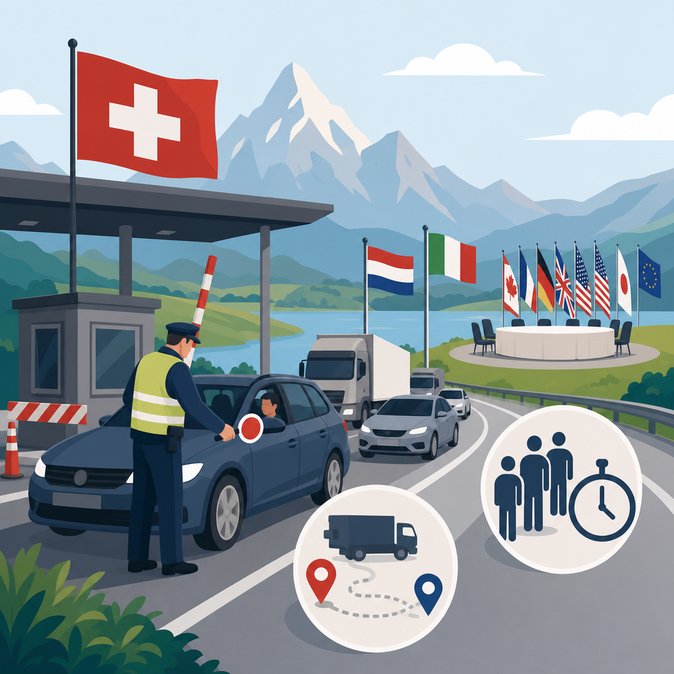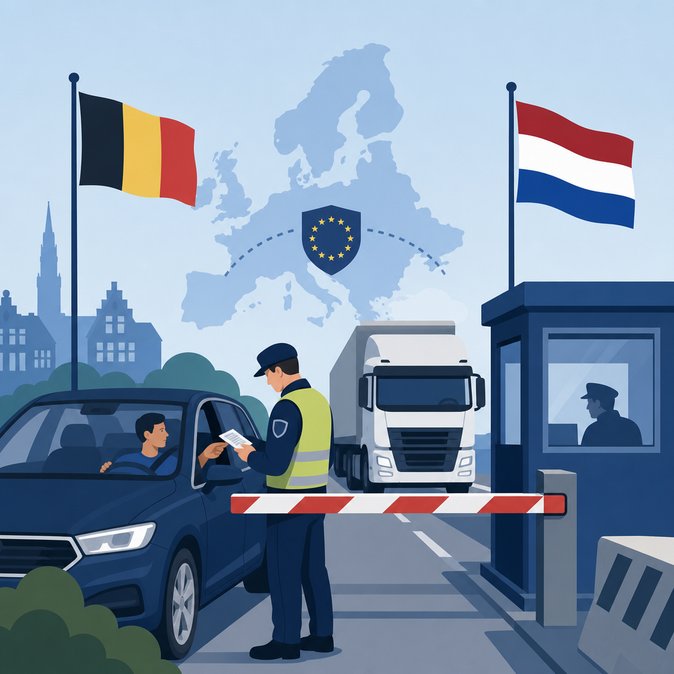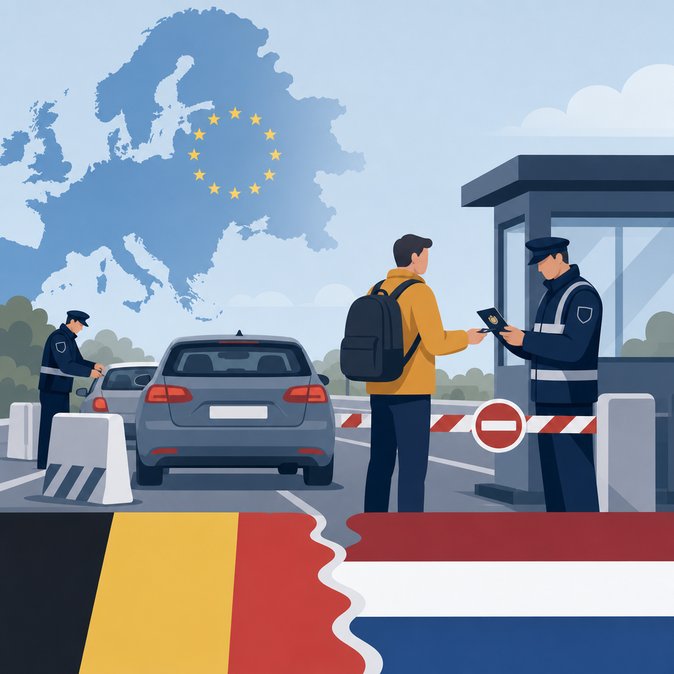
The Dutch government has formally notified the European Commission that it is prolonging the temporary re-introduction of Schengen border controls on its land frontier with Belgium (and Germany) until 30 September 2026. The extension, published on 27 May 2026, cites “persistent irregular migration, organised people-smuggling networks and hybrid security threats” as justification for continued checks. For Belgian companies that rely on just-in-time trucking routes or send employees across the northern border for short meetings, the measure means another four months of potential spot inspections. While the Royal Netherlands Marechaussee says the checks will remain risk-based and proportionate, carriers report that random inspections already add 10-15 minutes per crossing at peak times.
![Netherlands Extends Border Checks on Belgian Frontier Until 30 September 2026]()
Companies and leisure travellers who want one-click clarity on what documents to carry can consult VisaHQ’s Belgium resource page (https://www.visahq.com/belgium/). The platform tracks evolving Schengen requirements in real time and provides customised compliance checklists, letting logistics planners and HR teams adjust crew manifests or meeting itineraries before wheels roll.
International coach operators serving the Antwerp–Rotterdam corridor have begun advising passengers to carry passports, even though national ID cards remain technically sufficient for EU citizens. Operationally, the Netherlands plans to expand its Mobile Security Monitoring (MTV) patrols up to 20 km inside its territory and to increase surveillance on trains and inter-European flights. Between December 2024 and March 2026 the MTV programme refused 600 entrants and arrested 270 people for document fraud or migrant smuggling—figures Dutch authorities present as evidence that the controls are effective. Belgium’s Foreign Affairs Ministry has not protested the extension, but the Flemish employers’ federation VOKA warns of “creeping normalisation” of internal Schengen controls that threaten the single market. Logistics firms with distribution hubs in Flanders say they will build an extra 45 minutes of buffer time into deliveries bound for Dutch seaports through the summer. For mobility managers the message is clear: 1) brief travellers to keep passports handy even for day trips; 2) update corporate travel policies to allow extra time on road and rail routes into the Netherlands; and 3) monitor further notices—The Hague must decide by September whether to lift controls or seek a new justification under the Schengen Borders Code.
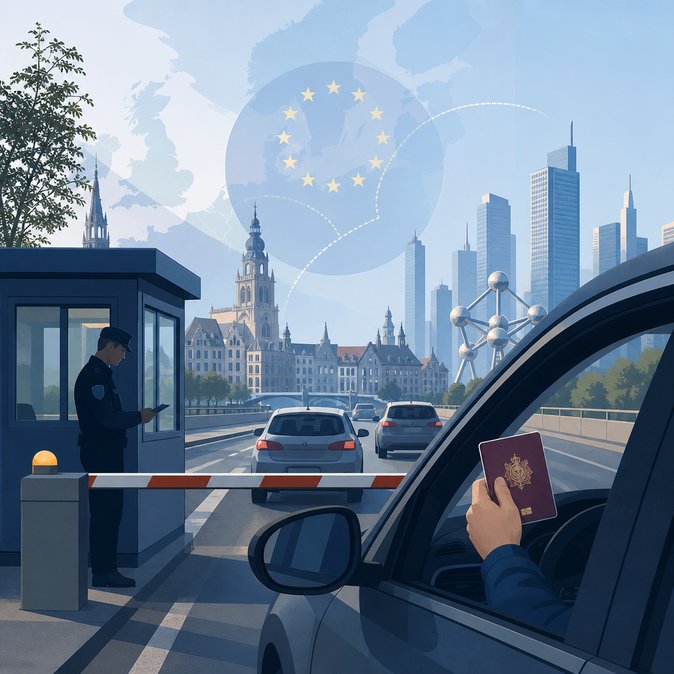
Companies and leisure travellers who want one-click clarity on what documents to carry can consult VisaHQ’s Belgium resource page (https://www.visahq.com/belgium/). The platform tracks evolving Schengen requirements in real time and provides customised compliance checklists, letting logistics planners and HR teams adjust crew manifests or meeting itineraries before wheels roll.
International coach operators serving the Antwerp–Rotterdam corridor have begun advising passengers to carry passports, even though national ID cards remain technically sufficient for EU citizens. Operationally, the Netherlands plans to expand its Mobile Security Monitoring (MTV) patrols up to 20 km inside its territory and to increase surveillance on trains and inter-European flights. Between December 2024 and March 2026 the MTV programme refused 600 entrants and arrested 270 people for document fraud or migrant smuggling—figures Dutch authorities present as evidence that the controls are effective. Belgium’s Foreign Affairs Ministry has not protested the extension, but the Flemish employers’ federation VOKA warns of “creeping normalisation” of internal Schengen controls that threaten the single market. Logistics firms with distribution hubs in Flanders say they will build an extra 45 minutes of buffer time into deliveries bound for Dutch seaports through the summer. For mobility managers the message is clear: 1) brief travellers to keep passports handy even for day trips; 2) update corporate travel policies to allow extra time on road and rail routes into the Netherlands; and 3) monitor further notices—The Hague must decide by September whether to lift controls or seek a new justification under the Schengen Borders Code.