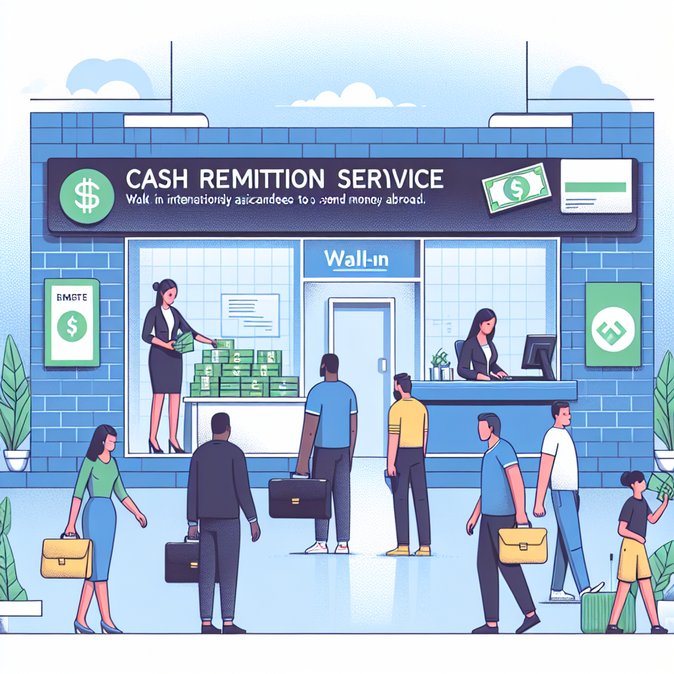
The Internal Revenue Service and U.S. Treasury have released proposed regulations (REG-114499-25) that would impose a 1 % excise tax on cash-funded remittance transfers sent outside the United States. The levy, created by Section 4475 of the 2025 “One Big Beautiful Bill Act,” took effect on transfers made after December 31, 2025, but compliance details were sparse until now. Under the proposal, anyone who hands cash, a money order or cashier’s check to a money-transfer provider such as Western Union must pay 1 % of the amount sent—$10 on a $1,000 transfer. Digital channels funded by bank accounts, ACH, debit or credit cards are exempt, as are transfers under $15 and most business wires. Providers must collect the tax at the counter, deposit it semimonthly and file quarterly Form 720 returns; senders remain primarily liable if the provider fails to withhold. For globally mobile employees—temporary workers, expatriates and foreign trainees—the new rule could add hundreds of dollars a year in extra costs if they still rely on walk-in cash remittances to support family abroad. Companies with large migrant workforces may need to educate staff on bank-based alternatives or consider payroll services that split deposits across borders.
![IRS Floats 1 % Remittance-Transfer Tax—Cash Payments Abroad to Cost More for Mobile Workers]()
Amid these adjustments, VisaHQ offers a convenient bridge for HR departments and employees alike; its U.S. portal (https://www.visahq.com/united-states/) centralizes visa and passport processing, ensuring that the same workforce now re-thinking how they remit cash can also keep travel documents current without extra administrative burden.
Treasury is accepting public comments until June 12, 2026, and has offered limited penalty relief for providers during the first three quarters of 2026. Final regulations are expected later this year, so mobility teams should start auditing corporate expense policies and global pay programmes to identify cash remittances that will attract the tax. Although modest per transaction, the levy targets a $520 billion annual market and signals Washington’s growing interest in cross-border cash flows—a compliance area multinational employers can no longer ignore.

Amid these adjustments, VisaHQ offers a convenient bridge for HR departments and employees alike; its U.S. portal (https://www.visahq.com/united-states/) centralizes visa and passport processing, ensuring that the same workforce now re-thinking how they remit cash can also keep travel documents current without extra administrative burden.
Treasury is accepting public comments until June 12, 2026, and has offered limited penalty relief for providers during the first three quarters of 2026. Final regulations are expected later this year, so mobility teams should start auditing corporate expense policies and global pay programmes to identify cash remittances that will attract the tax. Although modest per transaction, the levy targets a $520 billion annual market and signals Washington’s growing interest in cross-border cash flows—a compliance area multinational employers can no longer ignore.