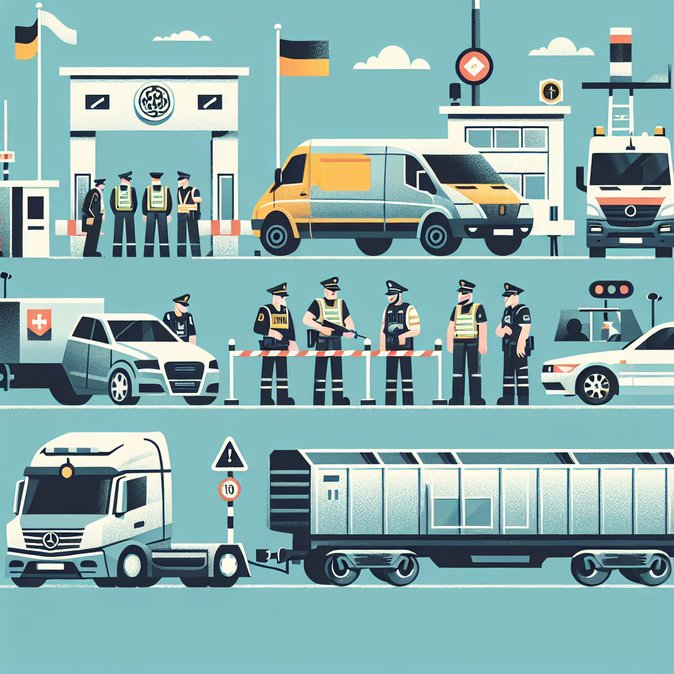
In a 4 May meeting in Rome, Italian Ambassador Alessandro Gaudiano and Czech Transport Minister Ivan Bednárik discussed joint bids for Connecting Europe Facility (CEF) funding to develop high-speed rail and road links between the two countries. According to an ANSA embassy note, the talks centred on extending the Baltic–Adriatic Corridor and aligning technical standards for 250 km/h rolling stock. Czechia plans to break ground on its first domestic high-speed line (Prague–Brno) in 2027; Italy’s state-owned FS Group has offered design know-how and signalling expertise. The parties also reviewed options for through-tickets that would allow Milan–Prague journeys in under six hours by 2033.
![Italy and Czechia explore high-speed rail cooperation under EU’s CEF programme]()
While these large-scale infrastructure projects take shape, business travellers, engineers and logistics managers still need to navigate day-to-day visa and travel formalities. VisaHQ’s digital platform (https://www.visahq.com/czech-republic/) streamlines applications for Czech and Italian visas, offers real-time status tracking and provides document-translation support—saving time so companies can focus on winning rail and tunnel tenders rather than paperwork.
Business angle: Faster passenger and freight capacity would transform mobility for Czech exporters in the automotive and machinery sectors that rely on North-Italian ports. Logistics analysts at ČSOB estimate that each 10 percent reduction in transit time to the Port of Trieste could save Czech shippers €30 million annually. Next steps: A bilateral working group will draft a memorandum of understanding before the June CEF call. Companies with heavy cross-border traffic—especially automotive OEMs with plants in Mladá Boleslav and Modena—should monitor procurement notices for rolling-stock and tunnel packages.

While these large-scale infrastructure projects take shape, business travellers, engineers and logistics managers still need to navigate day-to-day visa and travel formalities. VisaHQ’s digital platform (https://www.visahq.com/czech-republic/) streamlines applications for Czech and Italian visas, offers real-time status tracking and provides document-translation support—saving time so companies can focus on winning rail and tunnel tenders rather than paperwork.
Business angle: Faster passenger and freight capacity would transform mobility for Czech exporters in the automotive and machinery sectors that rely on North-Italian ports. Logistics analysts at ČSOB estimate that each 10 percent reduction in transit time to the Port of Trieste could save Czech shippers €30 million annually. Next steps: A bilateral working group will draft a memorandum of understanding before the June CEF call. Companies with heavy cross-border traffic—especially automotive OEMs with plants in Mladá Boleslav and Modena—should monitor procurement notices for rolling-stock and tunnel packages.