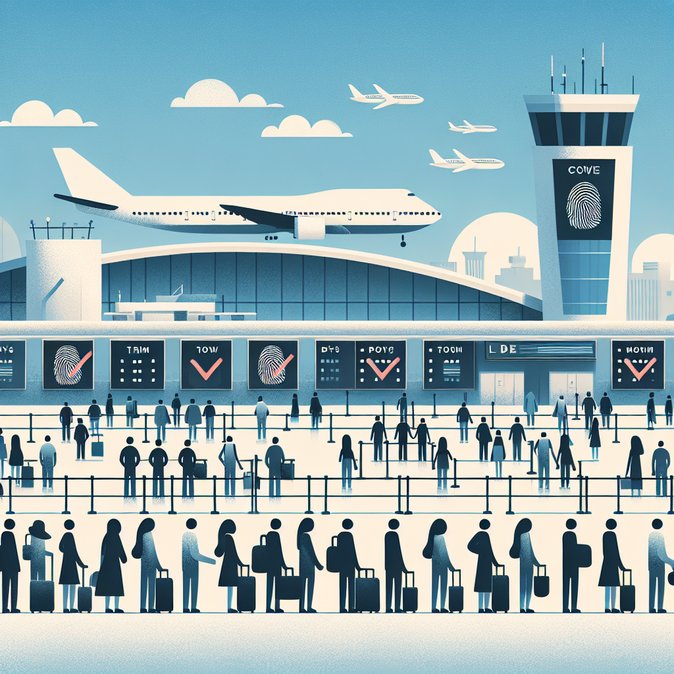
The European Commission has quietly activated a long-promised “flex-mode” in the new Entry/Exit System (EES) after only three weeks of full operation. From 2 May 2026, border authorities in all 27 Schengen members – including the Czech Republic’s airports and road crossings – may temporarily switch off the capture of fingerprints and facial images when passenger queues threaten to exceed safety thresholds. Manual passport stamps can be re-introduced for up to six consecutive hours per day, provided the core EES database continues logging each entry and exit. For Václav Havel Airport Prague, which has struggled with malfunctioning kiosks and staffing shortfalls since 10 April, the derogation is a welcome safety valve.
Airport management told local media that first-time EES enrollments currently take up to three minutes per traveller; switching to visual passport checks during surges should cut that time by two-thirds and protect onward connections.
Travel-risk consultants are already advising corporate mobility teams to keep the extra 30-minute buffer they added to itineraries last month until data confirm the new approach is working.
The Commission stresses that the move is “built-in flexibility, not a suspension.” Airlines must still transmit Advance Passenger Information and Passenger Name Records, while border guards must re-activate biometric capture as soon as queues subside.
![EU lets Schengen states pause EES biometrics at peak times, easing pressure on Czech borders]()
Weekly usage reports will determine whether the derogation stays in place through the busy summer peak. If queues fall below the 30-minute benchmark, full biometric enrolment will again be mandatory.
Czech employers that move talent across the Schengen frontier are urged to brief assignees carefully. A single-entry Schengen visa holder whose passport is stamped on re-entry could inadvertently start a fresh 90-day clock, so global-mobility managers should track actual days spent in the zone rather than rely on the automated EES calculator until the situation stabilises.
For travellers who want expert help navigating these evolving requirements, VisaHQ offers a streamlined solution. Through its Czech portal (https://www.visahq.com/czech-republic/), the service provides up-to-date guidance on Schengen visas, document checks, and personalised alerts—making it easier to stay compliant while flex-mode remains in force.
Multinationals are also monitoring the knock-on effect on the rollout timetable for ETIAS, still slated for October 2026, but now under renewed scrutiny from member states worried about infrastructure readiness.
In the medium term the Czech Ministry of the Interior expects the derogation to accelerate funding for more automated gates at Prague and Brno airports as well as the ČD Travel hub at Prague–Holešovice station. Industry groups say that if the hardware backlog is cleared by September, the flex-mode could be phased out before the Christmas travel rush, restoring full biometric checks alongside a more mature passenger-education campaign.
Airport management told local media that first-time EES enrollments currently take up to three minutes per traveller; switching to visual passport checks during surges should cut that time by two-thirds and protect onward connections.
Travel-risk consultants are already advising corporate mobility teams to keep the extra 30-minute buffer they added to itineraries last month until data confirm the new approach is working.
The Commission stresses that the move is “built-in flexibility, not a suspension.” Airlines must still transmit Advance Passenger Information and Passenger Name Records, while border guards must re-activate biometric capture as soon as queues subside.
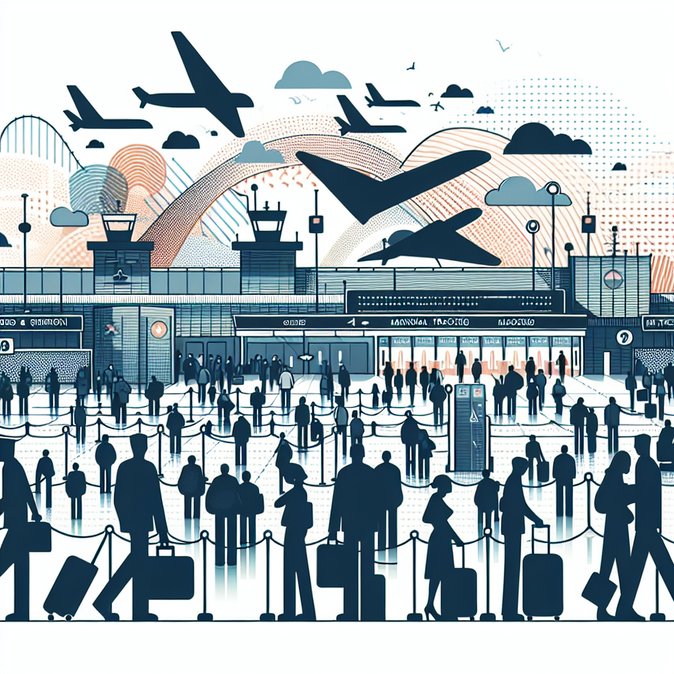
Weekly usage reports will determine whether the derogation stays in place through the busy summer peak. If queues fall below the 30-minute benchmark, full biometric enrolment will again be mandatory.
Czech employers that move talent across the Schengen frontier are urged to brief assignees carefully. A single-entry Schengen visa holder whose passport is stamped on re-entry could inadvertently start a fresh 90-day clock, so global-mobility managers should track actual days spent in the zone rather than rely on the automated EES calculator until the situation stabilises.
For travellers who want expert help navigating these evolving requirements, VisaHQ offers a streamlined solution. Through its Czech portal (https://www.visahq.com/czech-republic/), the service provides up-to-date guidance on Schengen visas, document checks, and personalised alerts—making it easier to stay compliant while flex-mode remains in force.
Multinationals are also monitoring the knock-on effect on the rollout timetable for ETIAS, still slated for October 2026, but now under renewed scrutiny from member states worried about infrastructure readiness.
In the medium term the Czech Ministry of the Interior expects the derogation to accelerate funding for more automated gates at Prague and Brno airports as well as the ČD Travel hub at Prague–Holešovice station. Industry groups say that if the hardware backlog is cleared by September, the flex-mode could be phased out before the Christmas travel rush, restoring full biometric checks alongside a more mature passenger-education campaign.