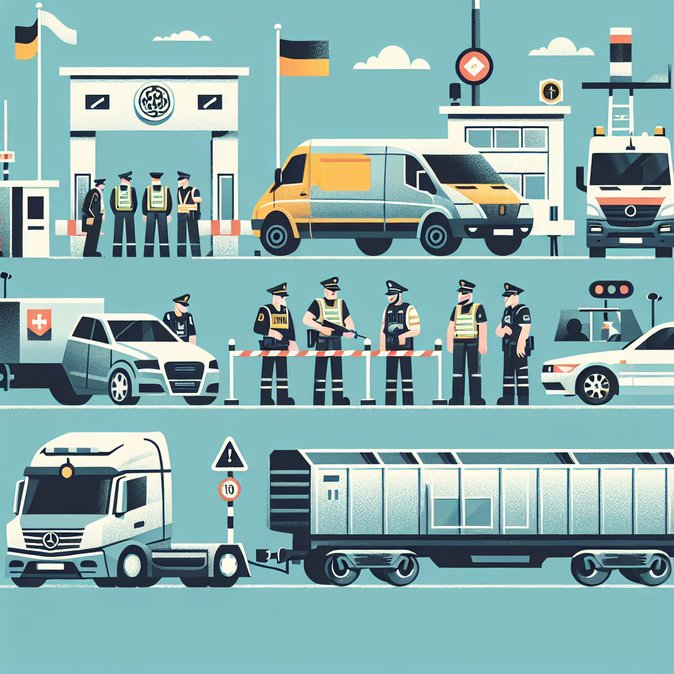
German Interior Minister Alexander Dobrindt confirmed on 4 May that temporary controls at Germany’s land borders—including the 815-kilometre frontier with Czechia—will remain in place “for the medium term”. While asylum applications have fallen sharply, the minister told public broadcaster ARD that sustaining the checks is necessary until an EU-wide migration system proves fully functional. The controls, introduced in 2023 and most recently extended in February 2026, allow the German Federal Police to stop travellers on main roads and rail lines up to 30 kilometres inside German territory. Czech motorists and rail passengers therefore face spot passport inspections when entering Bavaria and Saxony. Since October 2025 the measure has been credited with a marked decline in asylum claims—from 40,000 per month to under 20,000, according to the ministry.
For companies and individual travelers now grappling with which documents to carry or how the renewed checks affect visa validity, VisaHQ offers an easy one-stop resource. Its Czech Republic section (https://www.visahq.com/czech-republic/) provides real-time Schengen entry guidance, digital application tools, and personalized alerts—all of which can help keep cross-border trips on schedule despite the extra inspections.
![Germany keeps internal border checks with Czechia despite drop in illegal crossings]()
Business impact: The continuation affects thousands of Czech lorry drivers supplying German plants and same-day business visitors heading to Munich or Dresden. Logistics firms report average delays of 15–25 minutes per truck; rail operator České dráhy advises passengers to keep passports handy even on Schengen-internal trains. Mobility managers should warn assignees that Schengen day-count rules still apply—border checks do not reset the 90/180-day clock.
Diplomatic ripple: Prague has so far refrained from reciprocal checks, but Foreign Minister Jan Lipavský said he “expects the EU Council to set measurable criteria for phasing out internal controls” at its June session. Polish authorities, by contrast, have re-introduced brief spot checks on traffic from Germany, signalling growing regional frustration.
Compliance advice: 1) schedule extra buffer time for cross-border deliveries; 2) ensure that third-country nationals working in Czechia carry residence cards plus passports when transiting Germany; 3) monitor any employer-provided shuttle buses, which are also subject to inspections.
For companies and individual travelers now grappling with which documents to carry or how the renewed checks affect visa validity, VisaHQ offers an easy one-stop resource. Its Czech Republic section (https://www.visahq.com/czech-republic/) provides real-time Schengen entry guidance, digital application tools, and personalized alerts—all of which can help keep cross-border trips on schedule despite the extra inspections.

Business impact: The continuation affects thousands of Czech lorry drivers supplying German plants and same-day business visitors heading to Munich or Dresden. Logistics firms report average delays of 15–25 minutes per truck; rail operator České dráhy advises passengers to keep passports handy even on Schengen-internal trains. Mobility managers should warn assignees that Schengen day-count rules still apply—border checks do not reset the 90/180-day clock.
Diplomatic ripple: Prague has so far refrained from reciprocal checks, but Foreign Minister Jan Lipavský said he “expects the EU Council to set measurable criteria for phasing out internal controls” at its June session. Polish authorities, by contrast, have re-introduced brief spot checks on traffic from Germany, signalling growing regional frustration.
Compliance advice: 1) schedule extra buffer time for cross-border deliveries; 2) ensure that third-country nationals working in Czechia carry residence cards plus passports when transiting Germany; 3) monitor any employer-provided shuttle buses, which are also subject to inspections.