Heavy Vehicle Industry Australia (HVIA) has circulated notes from the 8th Transport Industry Fuel Security Briefing held on 1 May with Infrastructure Minister Catherine King. Delegates heard that all modes—road, rail, maritime and aviation—now have verified supply visibility ‘well into June’ thanks to recent government-backed imports.
![Industry Briefing Confirms Fuel Reserves Cover All Transport Modes Into Late June]()
For relocation managers juggling international assignments, ensuring drivers and logistics personnel are correctly documented can be just as critical as locking in fuel rates. VisaHQ’s online platform (https://www.visahq.com/australia/) streamlines visa and work-permit applications for Australia and more than 200 other destinations, giving mobility and freight teams a single dashboard to track multiple cases and avoid costly border delays.
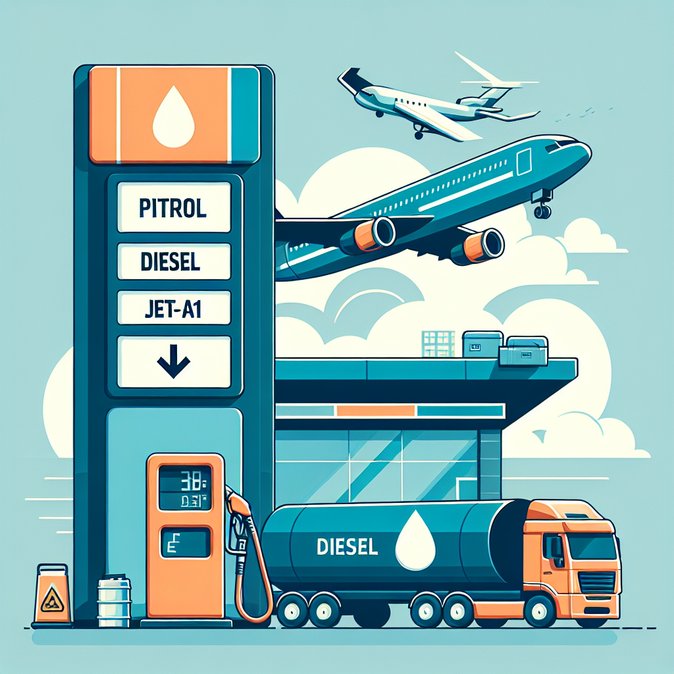
Data tabled at the meeting showed minimum stockholding obligations sitting at 30 days for jet fuel, 33 days for diesel and 44 days for petrol as at 21 May, narrowly meeting statutory targets. Retail diesel prices have eased to an average AU$ 2.75 per litre but remain 30 cents above pre-crisis norms. While the mood was described as the ‘calmest to date’, HVIA pressed the Minister to extend eligibility codes so more trucking operators can access the Economic Resilience Program—vital for freight companies absorbing high energy costs. For relocation managers the briefing means domestically transported household goods should avoid fuel-related surcharges for at least the next six weeks, but forwarders caution that European summer demand could still squeeze marine bunker prices. Action point: build a 5–7 % contingency into mobility budgets for ground-freight surcharges through Q3 2026, and check suppliers’ surcharge trigger clauses now that wholesale diesel has dipped.

For relocation managers juggling international assignments, ensuring drivers and logistics personnel are correctly documented can be just as critical as locking in fuel rates. VisaHQ’s online platform (https://www.visahq.com/australia/) streamlines visa and work-permit applications for Australia and more than 200 other destinations, giving mobility and freight teams a single dashboard to track multiple cases and avoid costly border delays.
Data tabled at the meeting showed minimum stockholding obligations sitting at 30 days for jet fuel, 33 days for diesel and 44 days for petrol as at 21 May, narrowly meeting statutory targets. Retail diesel prices have eased to an average AU$ 2.75 per litre but remain 30 cents above pre-crisis norms. While the mood was described as the ‘calmest to date’, HVIA pressed the Minister to extend eligibility codes so more trucking operators can access the Economic Resilience Program—vital for freight companies absorbing high energy costs. For relocation managers the briefing means domestically transported household goods should avoid fuel-related surcharges for at least the next six weeks, but forwarders caution that European summer demand could still squeeze marine bunker prices. Action point: build a 5–7 % contingency into mobility budgets for ground-freight surcharges through Q3 2026, and check suppliers’ surcharge trigger clauses now that wholesale diesel has dipped.