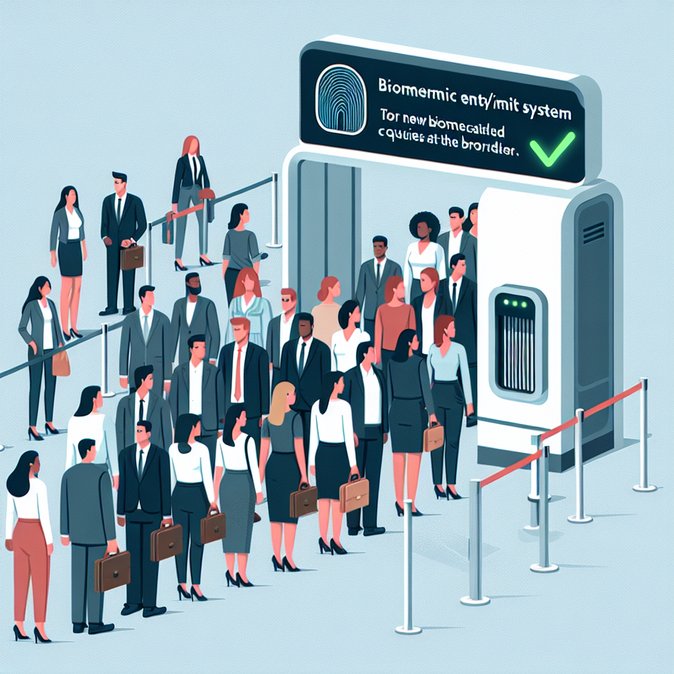
Dublin-based Ryanair has written to transport ministers in all 29 Entry/Exit System (EES) countries calling for an immediate suspension of the EU’s new biometric border-control scheme until at least September 2026. The low-cost carrier says the mandatory fingerprint and facial-image capture—now required for third-country nationals at Schengen external borders—has already produced passport-control queues of two to four hours at several Mediterranean airports during its first operational week.
In a statement issued on 30 April, Ryanair warned that forthcoming May bank-holiday peaks will see passengers ‘missing flights in large numbers’ unless governments pause the rollout and give airports time to install additional kiosks and staffing. Tourism bodies in Portugal’s Algarve and hotel associations in Spain and Greece quickly backed the airline’s call, arguing that reputational damage could undermine the region’s post-pandemic recovery.
Ireland is not part of the Schengen Area, but Irish holiday-makers transiting through popular sun-destinations are directly affected because they enter the EES zone as non-EU travellers. The carrier, which carries more than 50 million passengers annually to and from Ireland, says it has already recorded a spike in missed departures from Dublin due to knock-on gate delays at European hubs.
![Ryanair Urges EU to Suspend New Entry/Exit System as Holiday Queues Mount]()
Amid these uncertainties, VisaHQ can help travellers stay ahead of changing border rules. Through its dedicated Irish portal (https://www.visahq.com/ireland/), the service provides real-time Schengen visa guidance, streamlined application tools and optional document-courier solutions, ensuring both holiday-makers and corporate flyers minimise disruption when new systems such as EES come into force.
For global mobility managers, the disruption poses a risk to time-critical business travel during the summer peak. Companies are being advised to brief staff to arrive at least four hours before departure when flying into Schengen airports, to factor longer connection windows into itineraries, and to monitor airline policy announcements.
If governments heed Ryanair’s request, a suspension could restore pre-EES processing for the main holiday period, but contingency planning remains essential.
In a statement issued on 30 April, Ryanair warned that forthcoming May bank-holiday peaks will see passengers ‘missing flights in large numbers’ unless governments pause the rollout and give airports time to install additional kiosks and staffing. Tourism bodies in Portugal’s Algarve and hotel associations in Spain and Greece quickly backed the airline’s call, arguing that reputational damage could undermine the region’s post-pandemic recovery.
Ireland is not part of the Schengen Area, but Irish holiday-makers transiting through popular sun-destinations are directly affected because they enter the EES zone as non-EU travellers. The carrier, which carries more than 50 million passengers annually to and from Ireland, says it has already recorded a spike in missed departures from Dublin due to knock-on gate delays at European hubs.
Amid these uncertainties, VisaHQ can help travellers stay ahead of changing border rules. Through its dedicated Irish portal (https://www.visahq.com/ireland/), the service provides real-time Schengen visa guidance, streamlined application tools and optional document-courier solutions, ensuring both holiday-makers and corporate flyers minimise disruption when new systems such as EES come into force.
For global mobility managers, the disruption poses a risk to time-critical business travel during the summer peak. Companies are being advised to brief staff to arrive at least four hours before departure when flying into Schengen airports, to factor longer connection windows into itineraries, and to monitor airline policy announcements.
If governments heed Ryanair’s request, a suspension could restore pre-EES processing for the main holiday period, but contingency planning remains essential.