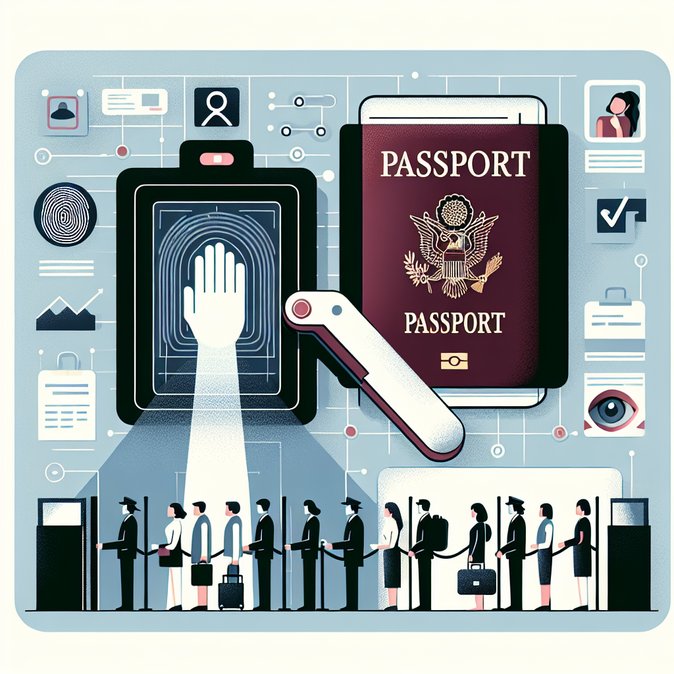
The EU’s long-delayed Entry/Exit System (EES) became fully operational on 10 April and, as of 29 April, carriers and border guards confirm the databases are running at scale. Although Ireland has opted out to preserve the Common Travel Area with the UK, Irish residents heading to any of the 29 Schengen states will now have fingerprints and a facial scan taken on first entry, replacing ink passport stamps. Airlines, ferry companies and long-distance coach operators are already subject to new carrier-interface obligations that require them to verify a passenger’s visa or entry permission before boarding. While this mainly affects third-country nationals, anecdotes from Dublin and Cork ticket counters suggest some confusion among staff on whether Irish passport holders transiting via Paris or Amsterdam must be pre-cleared. The short answer is no—Irish and other EU citizens remain exempt—but companies should brief travellers to expect longer queues as first-time biometric enrolments can add up to ten minutes per person.
![EES Biometric Border Goes Live—What It Means for Irish Travellers Outside Schengen]()
For anyone looking for hands-on help navigating these shifting requirements, VisaHQ’s Ireland portal (https://www.visahq.com/ireland/) offers step-by-step guidance on Schengen visa applications, keeps travellers notified of EES updates, and will soon streamline the forthcoming ETIAS pre-authorisation. Their corporate dashboard lets HR and travel managers track employee travel documents in one place and flags potential compliance issues before they become costly problems.
The EES rollout is also the “technical dress rehearsal” for ETIAS, the €20 electronic travel authorisation that will apply to UK, US and other visa-exempt nationals from late 2026. A six-month grace period has been confirmed, meaning ETIAS will not become mandatory until 2027, yet carriers must integrate its checks now to avoid last-minute chaos. For Irish corporates with non-EU assignees flying into Schengen on local contracts, HR teams should double-check that residence cards are machine-readable and recorded correctly in EES; an entry logged as ‘tourist’ could inadvertently start an overstay clock. Travel managers should also monitor airport-specific guidance—Barcelona and Lisbon have already introduced dedicated EES fast-track lanes for frequent flyers.

For anyone looking for hands-on help navigating these shifting requirements, VisaHQ’s Ireland portal (https://www.visahq.com/ireland/) offers step-by-step guidance on Schengen visa applications, keeps travellers notified of EES updates, and will soon streamline the forthcoming ETIAS pre-authorisation. Their corporate dashboard lets HR and travel managers track employee travel documents in one place and flags potential compliance issues before they become costly problems.
The EES rollout is also the “technical dress rehearsal” for ETIAS, the €20 electronic travel authorisation that will apply to UK, US and other visa-exempt nationals from late 2026. A six-month grace period has been confirmed, meaning ETIAS will not become mandatory until 2027, yet carriers must integrate its checks now to avoid last-minute chaos. For Irish corporates with non-EU assignees flying into Schengen on local contracts, HR teams should double-check that residence cards are machine-readable and recorded correctly in EES; an entry logged as ‘tourist’ could inadvertently start an overstay clock. Travel managers should also monitor airport-specific guidance—Barcelona and Lisbon have already introduced dedicated EES fast-track lanes for frequent flyers.