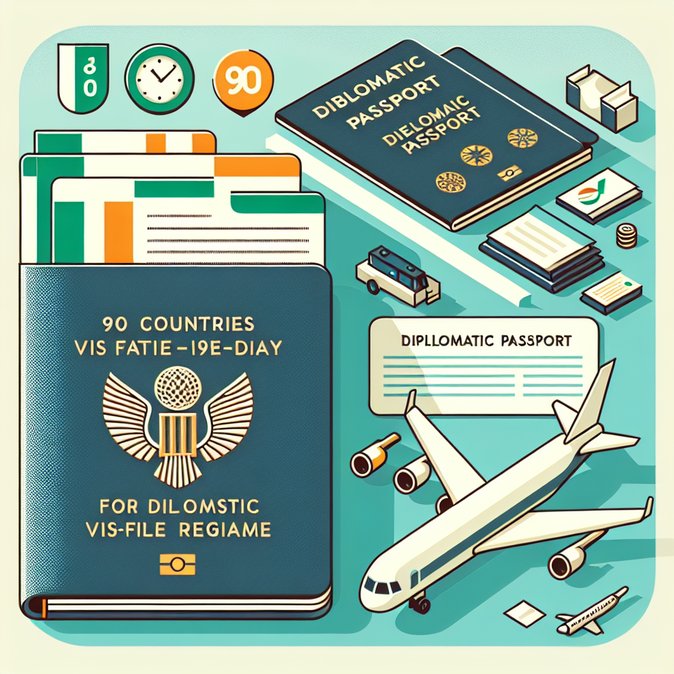
Ireland has quietly adjusted its visa rules for the second time this year by signing Statutory Instrument 17/2026—Formally the Immigration Act 2004 (Visas) (Amendment) Order 2026. Published on 29 April, the order immediately extends Ireland’s 90-day visa-free entry for holders of diplomatic passports from ten additional states: Albania, Bosnia-Herzegovina, Colombia, Georgia, Kosovo, Montenegro, North Macedonia, Peru, Qatar and Serbia. Diplomats from those countries can now attend meetings, negotiations or training in Ireland without first applying for a short-stay visa, cutting several weeks off traditional lead-times and easing last-minute travel for multilateral events in Dublin.
![Ireland Expands Diplomatic-Passport Visa Waiver and Tightens Transit Rules]()
If you need help navigating the new requirements—from securing Irish transit visas for Moldovan travelers to confirming whether your delegation qualifies for the fresh diplomatic waiver—VisaHQ’s team can manage the entire process online, provide real-time status updates and flag any supporting documents you might miss. Visit https://www.visahq.com/ireland/ for instant eligibility checks and streamlined application support.
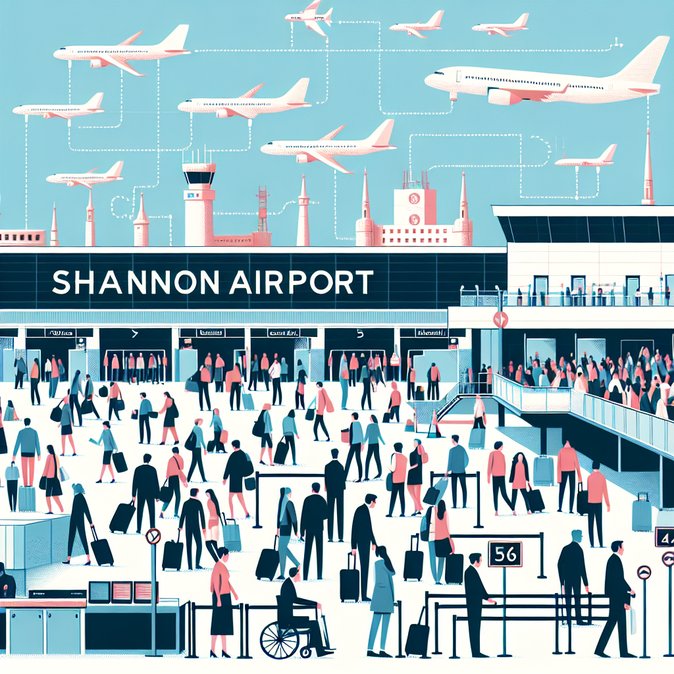
The Order simultaneously adds Moldova to the list of nationalities that require an Irish transit visa when merely changing planes at Dublin, Shannon or Cork airports. Transit-visa processing takes roughly two weeks and costs €25, so travel managers booking low-fare itineraries through Ireland will need to factor both time and cost into itineraries for Moldovan citizens. Although the change appears minor, it reflects the Department of Justice’s broader strategy of aligning Ireland’s diplomatic-passport policy with EU partners while maintaining tight control over regular short-stay traffic. Diplomatic travel waivers remove friction for state-to-state engagement—something officials say is increasingly important as Ireland prepares to take the rotating Presidency of the EU in January 2027. For companies hosting government delegations or high-level investors from the newly-exempt states, the practical upside is faster, simpler invitation logistics. Conversely, companies routing Moldovan staff or clients through Ireland now need to budget extra time and paperwork. Employers should update internal travel-approval checklists and brief travel agencies to avoid denied boarding at departure airports.
If you need help navigating the new requirements—from securing Irish transit visas for Moldovan travelers to confirming whether your delegation qualifies for the fresh diplomatic waiver—VisaHQ’s team can manage the entire process online, provide real-time status updates and flag any supporting documents you might miss. Visit https://www.visahq.com/ireland/ for instant eligibility checks and streamlined application support.
The Order simultaneously adds Moldova to the list of nationalities that require an Irish transit visa when merely changing planes at Dublin, Shannon or Cork airports. Transit-visa processing takes roughly two weeks and costs €25, so travel managers booking low-fare itineraries through Ireland will need to factor both time and cost into itineraries for Moldovan citizens. Although the change appears minor, it reflects the Department of Justice’s broader strategy of aligning Ireland’s diplomatic-passport policy with EU partners while maintaining tight control over regular short-stay traffic. Diplomatic travel waivers remove friction for state-to-state engagement—something officials say is increasingly important as Ireland prepares to take the rotating Presidency of the EU in January 2027. For companies hosting government delegations or high-level investors from the newly-exempt states, the practical upside is faster, simpler invitation logistics. Conversely, companies routing Moldovan staff or clients through Ireland now need to budget extra time and paperwork. Employers should update internal travel-approval checklists and brief travel agencies to avoid denied boarding at departure airports.