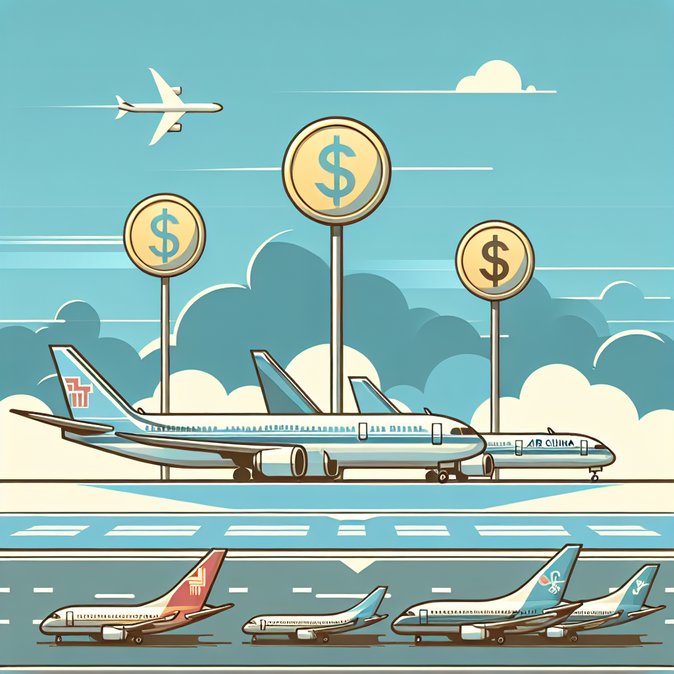
Reuters reports that Air China, China Southern and China Eastern all posted first-quarter profits for the first time since 2019, buoyed by a resurgent Lunar-New-Year peak and reviving international demand. Combined net income topped 4.8 billion yuan (about US$700 million), a dramatic reversal from collective losses in the same period of 2025. Crucially for corporate mobility planners, each carrier outlined aggressive fleet-growth plans.
![China’s ‘Big Three’ airlines return to profit, signal capacity expansion despite fuel-price headwinds]()
For travel managers juggling visa requirements alongside this capacity surge, VisaHQ can streamline the process of securing China business visas and other travel documentation. The platform offers end-to-end application assistance, real-time status tracking and compliance guidance, allowing companies to move employees quickly as new routes open—see https://www.visahq.com/china/ for details.
China Southern and its subsidiary Xiamen Airlines inked deals for 137 Airbus A320neo-family jets worth US$21.4 billion at list prices, while China Eastern confirmed its own order for 101 A320neos. The aircraft will arrive between 2028 and 2032, but near-term capacity will also climb: Bank of America projects Chinese international seat supply will grow 13 percent year-on-year this summer, reaching 91 percent of 2019 levels. That expansion is uneven. Routes to Europe and Australasia are recovering fastest, helped by China’s ability to overfly Russia and avoid conflict zones in the Middle East, whereas China–North America capacity remains stuck below 40 percent of pre-pandemic levels. Fuel costs, nearly double early-year levels because of the Iran war, are already weighing on margins and have forced carriers to hike domestic fuel surcharges six-fold and pare back thinner Southeast-Asian routes. For businesses, the return to profitability removes an element of financial risk that had haunted travel-programme negotiations. Airlines are once again willing to sign multi-year corporate deals, but they are also pushing for dynamic surcharge clauses to offset jet-fuel volatility. Travel managers should scrutinise new agreements for caps on add-ons and consider locking in seat inventory on high-demand Europe-bound flights before summer peaks. The wider implication is that China’s aviation rebound is entering a supply-led phase. As new narrow-bodies arrive and bilateral traffic rights are re-activated, expect more non-stop city-pairs and midday departures that align better with business schedules—positive news for assignees and regional commuters who have faced circuitous routings since 2020.

For travel managers juggling visa requirements alongside this capacity surge, VisaHQ can streamline the process of securing China business visas and other travel documentation. The platform offers end-to-end application assistance, real-time status tracking and compliance guidance, allowing companies to move employees quickly as new routes open—see https://www.visahq.com/china/ for details.
China Southern and its subsidiary Xiamen Airlines inked deals for 137 Airbus A320neo-family jets worth US$21.4 billion at list prices, while China Eastern confirmed its own order for 101 A320neos. The aircraft will arrive between 2028 and 2032, but near-term capacity will also climb: Bank of America projects Chinese international seat supply will grow 13 percent year-on-year this summer, reaching 91 percent of 2019 levels. That expansion is uneven. Routes to Europe and Australasia are recovering fastest, helped by China’s ability to overfly Russia and avoid conflict zones in the Middle East, whereas China–North America capacity remains stuck below 40 percent of pre-pandemic levels. Fuel costs, nearly double early-year levels because of the Iran war, are already weighing on margins and have forced carriers to hike domestic fuel surcharges six-fold and pare back thinner Southeast-Asian routes. For businesses, the return to profitability removes an element of financial risk that had haunted travel-programme negotiations. Airlines are once again willing to sign multi-year corporate deals, but they are also pushing for dynamic surcharge clauses to offset jet-fuel volatility. Travel managers should scrutinise new agreements for caps on add-ons and consider locking in seat inventory on high-demand Europe-bound flights before summer peaks. The wider implication is that China’s aviation rebound is entering a supply-led phase. As new narrow-bodies arrive and bilateral traffic rights are re-activated, expect more non-stop city-pairs and midday departures that align better with business schedules—positive news for assignees and regional commuters who have faced circuitous routings since 2020.
More From China
View all
China projects 344 million passenger journeys and 2.4 million border crossings on first day of May-Day Golden Week

‘Unlock China’ guide highlights visa-free entry, 144-hour transit waivers and niche destinations for inbound tourists