In Brussels on 29 April, a clear majority of EU member states endorsed reforms to the coordination of social-security systems that would shift primary responsibility for unemployment payments from a cross-border worker’s country of residence to the country of last employment – provided the individual had paid into that system for at least 22 weeks.
![EU approves unemployment-benefit reform for cross-border workers, raising Swiss cost exposure]()
VisaHQ can assist Swiss employers and cross-border workers in navigating visa and work-permit formalities that often accompany changes to social-security rules. Its dedicated Switzerland portal (https://www.visahq.com/switzerland/) offers up-to-date guidance, document checklists and expedited processing services, helping HR teams stay compliant while keeping mobility friction-free.
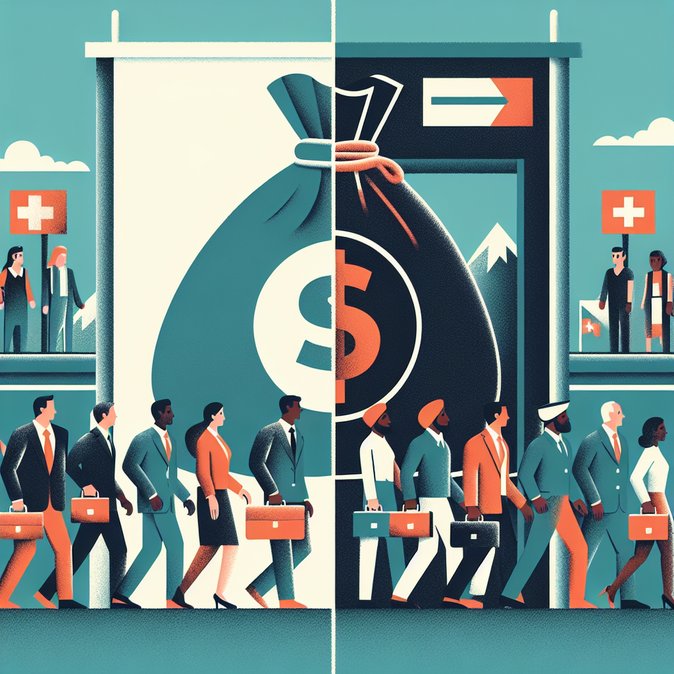
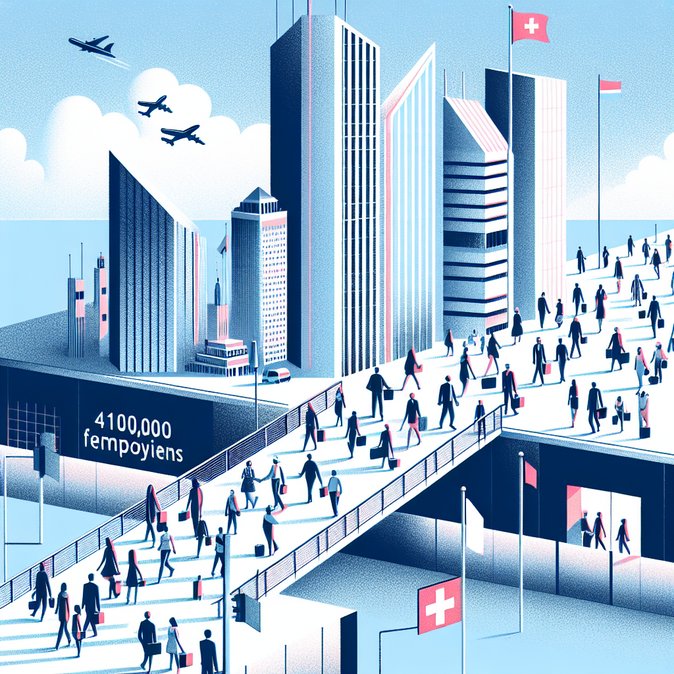
Switzerland, though not an EU member, is party to the Free Movement Agreement and normally aligns with such regulations. The State Secretariat for Economic Affairs (SECO) estimates that if Bern adopts the change, Swiss unemployment-insurance outlays could rise by several hundred million francs a year, because more than 410,000 commuters – chiefly from France, Italy and Germany – work in Switzerland but live (and currently draw benefits) across the border. Business associations are divided. Export-oriented manufacturers in Ticino fear higher payroll taxes, while service-sector employers in Geneva argue that harmonised rules would make Switzerland more attractive by guaranteeing workers a safety net linked to Swiss salaries. The right-wing Swiss People’s Party has already dubbed the regulation “another Brussels money-grab”. The package still requires European Parliament approval later this year and would only enter into force after a two-year transition. Switzerland could choose not to adopt it, but that would provoke a political clash with the EU at a delicate moment in bilateral negotiations. Mobility advisers recommend that HR departments audit their cross-border workforce and model potential cost increases. Companies near the French and Italian borders should also prepare for questions from unions about equal treatment if benefits diverge.
VisaHQ can assist Swiss employers and cross-border workers in navigating visa and work-permit formalities that often accompany changes to social-security rules. Its dedicated Switzerland portal (https://www.visahq.com/switzerland/) offers up-to-date guidance, document checklists and expedited processing services, helping HR teams stay compliant while keeping mobility friction-free.
Switzerland, though not an EU member, is party to the Free Movement Agreement and normally aligns with such regulations. The State Secretariat for Economic Affairs (SECO) estimates that if Bern adopts the change, Swiss unemployment-insurance outlays could rise by several hundred million francs a year, because more than 410,000 commuters – chiefly from France, Italy and Germany – work in Switzerland but live (and currently draw benefits) across the border. Business associations are divided. Export-oriented manufacturers in Ticino fear higher payroll taxes, while service-sector employers in Geneva argue that harmonised rules would make Switzerland more attractive by guaranteeing workers a safety net linked to Swiss salaries. The right-wing Swiss People’s Party has already dubbed the regulation “another Brussels money-grab”. The package still requires European Parliament approval later this year and would only enter into force after a two-year transition. Switzerland could choose not to adopt it, but that would provoke a political clash with the EU at a delicate moment in bilateral negotiations. Mobility advisers recommend that HR departments audit their cross-border workforce and model potential cost increases. Companies near the French and Italian borders should also prepare for questions from unions about equal treatment if benefits diverge.