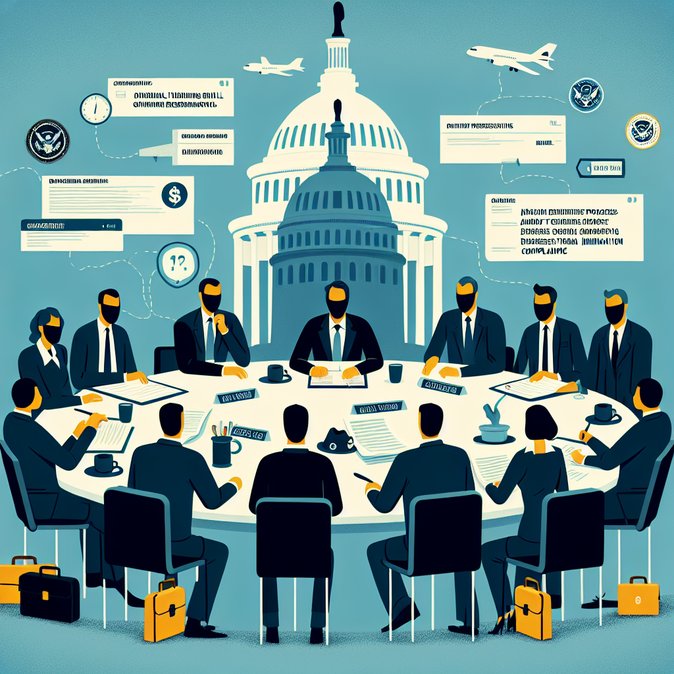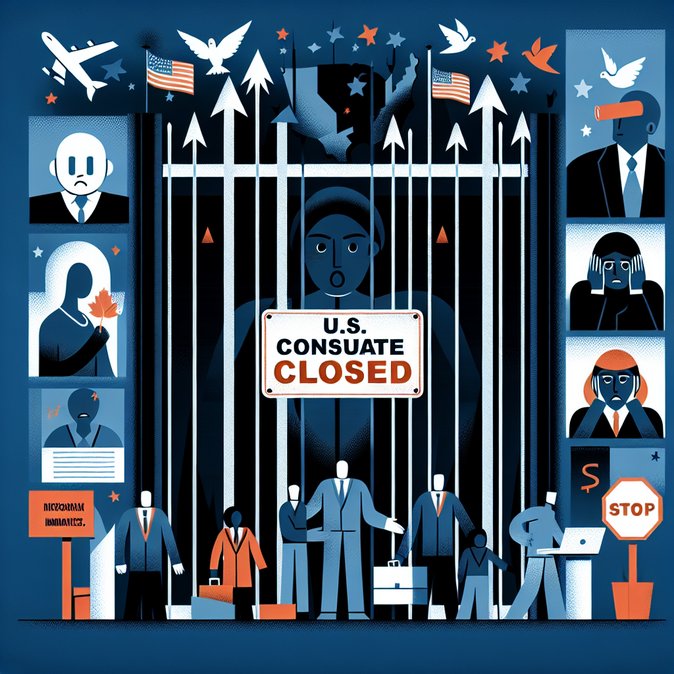
In a cable circulated to every U.S. consulate on Tuesday, April 28, the State Department ordered consular officers to ask every applicant for a visitor, student, or temporary-work visa two new questions: 1) “Have you experienced harm or mistreatment in your country of nationality or last habitual residence?” and 2) “Do you fear harm or mistreatment in returning there?” Applicants who answer “yes” to either must be denied a visa on the spot. The directive—signed by Secretary of State Marco Rubio and rooted in a 2025 Trump executive order—seeks to choke off what the administration calls “asylum abuse” at the front end of the mobility pipeline. Previously, fear-of-return screening occurred only if a traveler sought asylum after entering the United States. By moving that screening overseas, Washington hopes to deter would-be asylum seekers from using temporary visas as a bridge to protection claims once inside U.S. borders. Immigration lawyers warn that the order could trap genuinely persecuted business travelers, students, and conference speakers outside the country. Unlike refugees, who are processed under a separate system, many entrepreneurs, journalists, and academics rely on B-1/B-2 or ESTA travel to establish a business presence or attend short-term programs in the United States. A single truthful “yes” could now shut that door—potentially violating U.S. obligations under the Refugee Convention, critics say.
![State Department Imposes “No-Fear” Declarations on All U.S. Non-Immigrant Visa Applicants]()
Amid these shifting requirements, specialized visa services like VisaHQ can provide critical guidance on the latest consular protocols, help applicants assemble compliant documentation, and monitor post-specific adjudication patterns. Their U.S. portal (https://www.visahq.com/united-states/) tracks real-time rule changes and offers step-by-step tools for both individual travelers and corporate mobility teams, easing the administrative burden created by sudden policy shifts.
For multinational employers, the risk calculus changes immediately. Companies must vet whether invited guests or transferring employees have any arguable past persecution claims; if so, they may need to pivot to remote participation or route travel through third-country offices. U.S. subsidiaries should also prepare for a surge in “unable to travel” exceptions under global mobility policies and revisit event locations that depend on high international attendance. The order takes effect at once. Consular posts are updating appointment websites, and applicants will begin seeing the two questions this week. There is no appeal at post; refused travelers may re-apply only after swearing they have no fear of return. Litigation is expected, but for now mobility managers have little choice but to brief travelers and adjust timelines accordingly.

Amid these shifting requirements, specialized visa services like VisaHQ can provide critical guidance on the latest consular protocols, help applicants assemble compliant documentation, and monitor post-specific adjudication patterns. Their U.S. portal (https://www.visahq.com/united-states/) tracks real-time rule changes and offers step-by-step tools for both individual travelers and corporate mobility teams, easing the administrative burden created by sudden policy shifts.
For multinational employers, the risk calculus changes immediately. Companies must vet whether invited guests or transferring employees have any arguable past persecution claims; if so, they may need to pivot to remote participation or route travel through third-country offices. U.S. subsidiaries should also prepare for a surge in “unable to travel” exceptions under global mobility policies and revisit event locations that depend on high international attendance. The order takes effect at once. Consular posts are updating appointment websites, and applicants will begin seeing the two questions this week. There is no appeal at post; refused travelers may re-apply only after swearing they have no fear of return. Litigation is expected, but for now mobility managers have little choice but to brief travelers and adjust timelines accordingly.