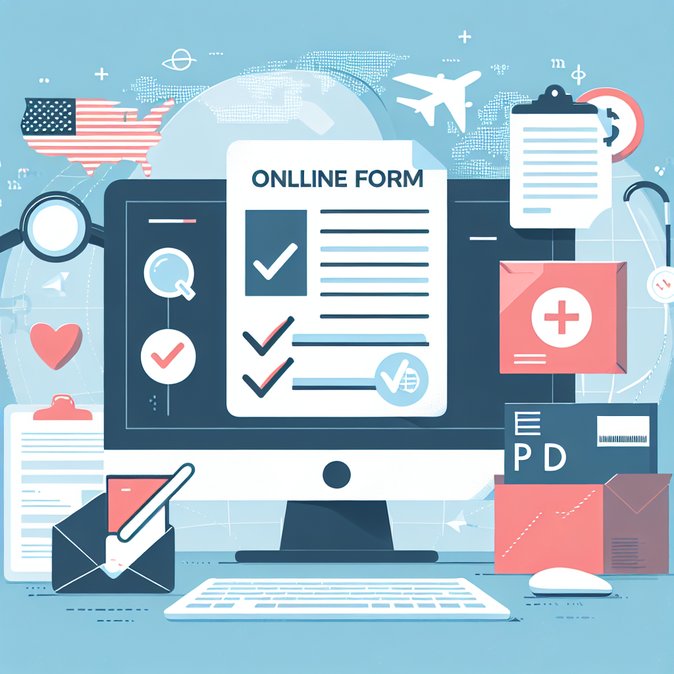
In a major digital-services milestone, U.S. Citizenship and Immigration Services (USCIS) switched on an online filing channel for Form I-485, Application to Register Permanent Residence or Adjust Status, for select employment-based categories on 24 April 2026. Until now, employment-based applicants had to submit paper packets—often hundreds of pages long—by courier to one of two USCIS lockboxes. The new functionality inside the myUSCIS portal allows eligible foreign workers who are already in the United States to upload the entire application package—including civil surgeon medical reports—in PDF form and pay filing fees online.
![USCIS opens online I-485 filing for employment-based green-card applicants]()
Companies and individual applicants looking for hands-on assistance with U.S. immigration paperwork can leverage VisaHQ’s digital platform (https://www.visahq.com/united-states/) to pre-screen documents, track deadlines, and coordinate submissions; the service dovetails neatly with the new myUSCIS upload option by flagging missing evidence before a case is filed.
The change comes after two pandemic-driven years in which USCIS quietly built out end-to-end e-filing for family-based Adjustment of Status but left employment-based cases on the sidelines. Agency officials say the launch will cut mailroom backlogs, reduce data-entry errors, and speed receipt-notice issuance—key pain points for companies that rely on I-485 filing receipts to extend H-1B and L-1 work authorisation under AC21 portability rules. Practitioners warn, however, that the system is not yet a full end-to-end solution. Applicants must still keep the original, sealed Form I-693 medical in case USCIS requests it at interview, and large attachments can trigger portal timeouts. Immigration counsel therefore advise corporate mobility teams to test the platform on a small group of cases and maintain a paper-filing fallback until reliability is proven. For employers the upside is significant: faster receipt notices translate into faster automatic employment-authorisation extensions for sponsored workers and their spouses. Multinationals that file hundreds of I-485s a year could also see thousands of dollars in shipping savings. Over the next quarter, mobility managers should update internal checklists, train staff on the upload interface, and verify that cybersecurity controls cover personal data now moving through myUSCIS. Ultimately, the move signals USCIS’s intention to push most high-volume immigration benefits online, and employers who refine digital workflows early will be best positioned as additional forms migrate to e-filing.

Companies and individual applicants looking for hands-on assistance with U.S. immigration paperwork can leverage VisaHQ’s digital platform (https://www.visahq.com/united-states/) to pre-screen documents, track deadlines, and coordinate submissions; the service dovetails neatly with the new myUSCIS upload option by flagging missing evidence before a case is filed.
The change comes after two pandemic-driven years in which USCIS quietly built out end-to-end e-filing for family-based Adjustment of Status but left employment-based cases on the sidelines. Agency officials say the launch will cut mailroom backlogs, reduce data-entry errors, and speed receipt-notice issuance—key pain points for companies that rely on I-485 filing receipts to extend H-1B and L-1 work authorisation under AC21 portability rules. Practitioners warn, however, that the system is not yet a full end-to-end solution. Applicants must still keep the original, sealed Form I-693 medical in case USCIS requests it at interview, and large attachments can trigger portal timeouts. Immigration counsel therefore advise corporate mobility teams to test the platform on a small group of cases and maintain a paper-filing fallback until reliability is proven. For employers the upside is significant: faster receipt notices translate into faster automatic employment-authorisation extensions for sponsored workers and their spouses. Multinationals that file hundreds of I-485s a year could also see thousands of dollars in shipping savings. Over the next quarter, mobility managers should update internal checklists, train staff on the upload interface, and verify that cybersecurity controls cover personal data now moving through myUSCIS. Ultimately, the move signals USCIS’s intention to push most high-volume immigration benefits online, and employers who refine digital workflows early will be best positioned as additional forms migrate to e-filing.