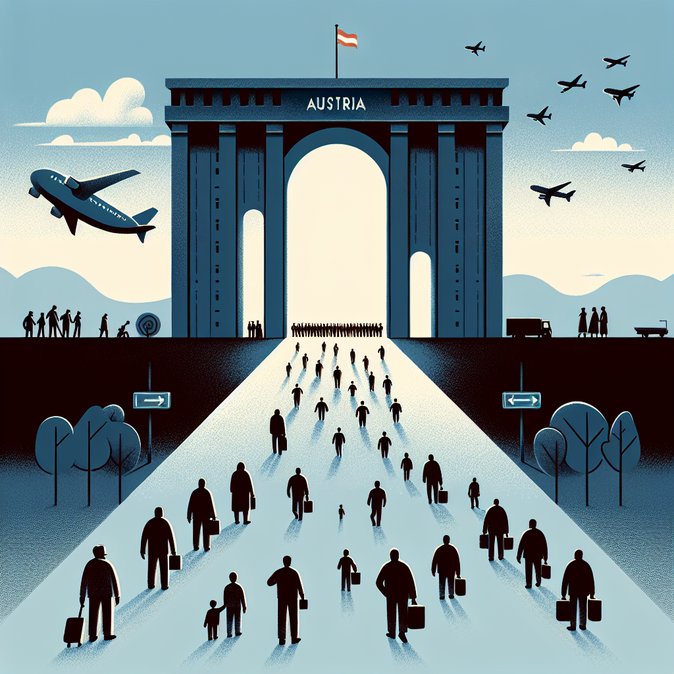
A separate breakdown released through Salzburg24 paints an even starker picture of outbound mobility pressures. Between January and March 2026, Austrian authorities recorded 3,575 people leaving the country—1,882 through forced measures and 1,693 via assisted or purely voluntary return programmes. New asylum claims reached only 1,086 in the same span. The figures confirm a policy pivot that began in late-2025, when Interior Minister Gerhard Karner ordered immigration police to prioritise removals to “restore credibility” to the asylum system. Officials say the strategy is deterrent-driven: applicants who know that status can be swiftly revoked may think twice before travelling on to Austria from other EU states. Country-of-origin data again show wide disparities.
![Austria’s Q1 Mobility Balance: Deportations and Voluntary Exits Top 3,500, Far Exceeding New Asylum Filings]()
At this juncture, global teams may wish to tap external expertise: VisaHQ’s Austria desk (https://www.visahq.com/austria/) offers real-time visa intelligence, document tracking and application support that help employers and transferees avoid lapses that could otherwise lead to forced removals or costly reassignments.
Romanians, Slovaks and Hungarians led the list of EU nationals hit with entry bans after repeated administrative offences, while most Ukrainian war refugees remain covered by the EU-wide Temporary Protection Directive. For global-mobility managers, the message is clear: any employee seconded to Austria who loses the legal right to stay will face rapid enforcement. Companies should maintain real-time status tracking, offer voluntary-return counselling where appropriate, and budget for relocation or reassignment costs. Law firms expect an uptick in appeals as affected workers contest revocation decisions, but note that accelerated asylum procedures under Austria’s revised AsylG leave little time for legal manoeuvring.

At this juncture, global teams may wish to tap external expertise: VisaHQ’s Austria desk (https://www.visahq.com/austria/) offers real-time visa intelligence, document tracking and application support that help employers and transferees avoid lapses that could otherwise lead to forced removals or costly reassignments.
Romanians, Slovaks and Hungarians led the list of EU nationals hit with entry bans after repeated administrative offences, while most Ukrainian war refugees remain covered by the EU-wide Temporary Protection Directive. For global-mobility managers, the message is clear: any employee seconded to Austria who loses the legal right to stay will face rapid enforcement. Companies should maintain real-time status tracking, offer voluntary-return counselling where appropriate, and budget for relocation or reassignment costs. Law firms expect an uptick in appeals as affected workers contest revocation decisions, but note that accelerated asylum procedures under Austria’s revised AsylG leave little time for legal manoeuvring.
More From Austria
View all
Austria Removes Nearly 1,900 People in First-Quarter 2026 as Forced Departures Outpace New Asylum Requests

Countdown to New EU Asylum Pact: Austrian Delegation Studies Border Tech Ahead of 12 June Roll-Out