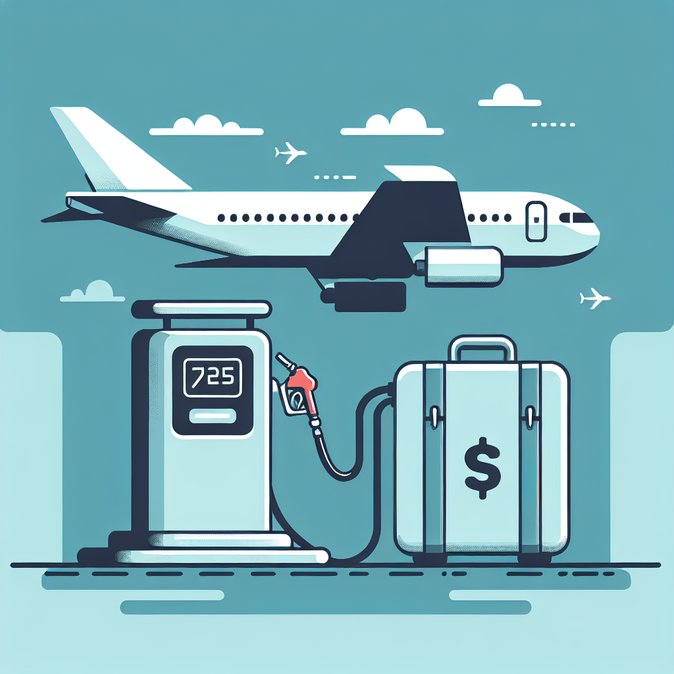
Canadian travellers face higher ancillary costs this summer after both Air Canada and WestJet quietly increased checked-baggage fees by CAD $10 per bag. The change, first loaded into reservation systems on April 13 and confirmed by both carriers on April 25, applies to new bookings in Economy Basic and Economy Standard on all domestic flights as well as transborder services to the United States, Mexico, the Caribbean and Central America. The first checked bag now costs CAD $45–$54 one-way on Air Canada (up from CAD $35–$42) and a matching surcharge applies on WestJet at airport check-in; second-bag fees rise to CAD $60–$72. Economy Flex passengers continue to receive one free bag, while premium cabins remain unchanged. Airlines blamed the move on a 28 % jump in jet-fuel prices since March, fuelled by Middle-East supply shocks, and on a strategic shift toward boosting “ancillary yield” rather than base fares. Internal figures leaked during Air Canada’s April analyst call show the carrier now targets 22 % of total revenue from fees and à-la-carte services, up from 18 % a year ago. WestJet, historically the price leader, followed within days to avoid losing revenue “headroom,” according to a spokesperson. For business travellers, the timing matters. Existing tickets issued before April 13 retain the old, lower fees, creating a brief opportunity for corporate travel managers to re-shop summer itineraries. Companies with Canadian road-warrior programmes are being advised to update booking tools so travellers can accurately compare total trip cost—including baggage—across Air Canada, WestJet, Porter and Flair. Porter continues to include a first checked bag on most fares, while ultra-low-cost rival Flair already charges more than CAD $100 for a first bag, narrowing the price differential. The surcharge also has cross-border implications.
![Air Canada and WestJet raise checked-bag fees across Canadian domestic and U.S. transborder routes]()
While factoring in these new costs, it’s worth remembering that paperwork can trip you up just as easily as baggage fees. VisaHQ’s Canada portal (https://www.visahq.com/canada/) helps travellers verify entry requirements and secure the necessary visas or eTAs for the United States, Mexico, the Caribbean and dozens of other destinations, streamlining the process so you can focus on fare classes and luggage allowances rather than last-minute embassy visits.
Many Canadian small- and medium-sized exporters rely on frequent short-haul flights to U.S. clients. A typical week-long Toronto–Chicago trip with two checked bags will now be CAD $120 costlier in ancillary fees alone—an expense that must be budgeted into project bids. Travel buyers should reassess the break-even point between Economy Standard (plus bag fees) and Economy Flex, which now looks comparatively more attractive given the retained first-bag allowance. Practically, travellers can mitigate the impact by prepaying baggage online (WestJet discounts CAD $5 per bag) or by shifting to carry-on-only strategies for trips under five days. Corporate policies that already encourage “right-sizing” luggage will become even more valuable as Canada’s two largest airlines use bag revenues to offset fuel volatility and capacity cuts.
While factoring in these new costs, it’s worth remembering that paperwork can trip you up just as easily as baggage fees. VisaHQ’s Canada portal (https://www.visahq.com/canada/) helps travellers verify entry requirements and secure the necessary visas or eTAs for the United States, Mexico, the Caribbean and dozens of other destinations, streamlining the process so you can focus on fare classes and luggage allowances rather than last-minute embassy visits.
Many Canadian small- and medium-sized exporters rely on frequent short-haul flights to U.S. clients. A typical week-long Toronto–Chicago trip with two checked bags will now be CAD $120 costlier in ancillary fees alone—an expense that must be budgeted into project bids. Travel buyers should reassess the break-even point between Economy Standard (plus bag fees) and Economy Flex, which now looks comparatively more attractive given the retained first-bag allowance. Practically, travellers can mitigate the impact by prepaying baggage online (WestJet discounts CAD $5 per bag) or by shifting to carry-on-only strategies for trips under five days. Corporate policies that already encourage “right-sizing” luggage will become even more valuable as Canada’s two largest airlines use bag revenues to offset fuel volatility and capacity cuts.
More From Canada
View all
IRCC’s April processing-time update shows faster citizenship grants but soaring delays for Quebec parent sponsorship

British Columbia unveils one-time PR pathway for rural health-authority cleaners and security staff