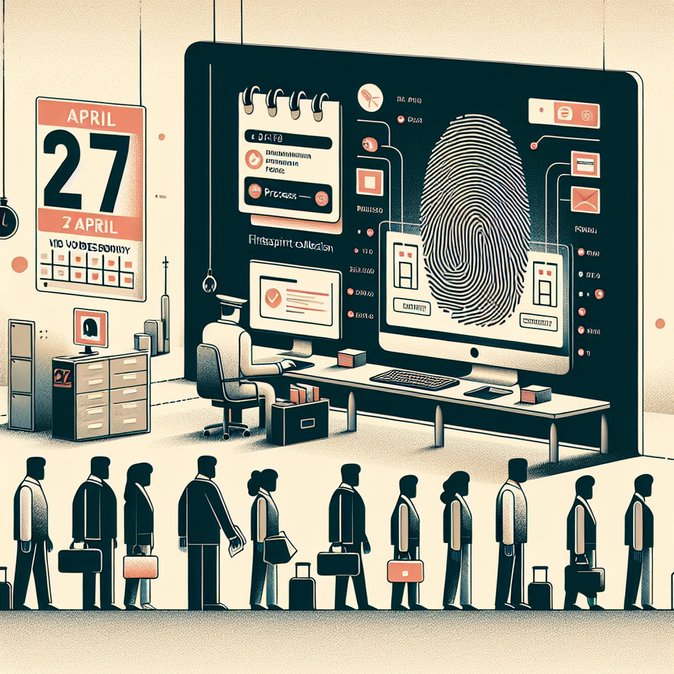
Foreign employees and their HR teams arriving for residence-permit appointments in Poland on Friday, 24 April, encountered an unexpected road-block: none of the country’s voivodeship immigration offices could take fingerprints. The Mazowiecki, Lubuski and Dolnośląski Voivodeship Offices all issued late-night notices explaining that the legacy “Pobyt” (Stay) IT platform had to be shut down for a full working day so technicians could migrate millions of biometric templates into MOS 2.0, the government’s new case-handling portal.
![Polish immigration offices halt fingerprinting nationwide on 24 April for MOS 2.0 data migration]()
For companies that cannot afford such uncertainty, VisaHQ offers hands-on assistance with Polish residence-permit filings— from verifying document scans to securing new biometric appointments—through its dedicated Warsaw team. Their self-service dashboard at https://www.visahq.com/poland/ lets HR managers track case status in real time and avoid common MOS 2.0 pitfalls.
Although the offices remained open for other services, the blackout forced employers, relocation providers and private applicants to reschedule any slot that required live-scan fingerprints. Under Polish practice, fingerprints are mandatory for almost every type of residence card, from standard temporary stay permits to the soon-to-launch three-year CUKR card for Ukrainians. Missing a biometric capture can delay a permit by weeks and jeopardise posted-worker start dates. For global mobility managers the outage is a dress-rehearsal for life under MOS 2.0. From 27 April, all residence-permit filings must be lodged electronically, and the portal will automatically reject applications that are incomplete—even for missing scans of a passport cover. Advisers recommend building buffer time into assignment timelines, ensuring all required scans are uploaded before an appointment, and warning travellers that “walk-in” corrections will no longer be possible once the fully digital workflow goes live. The Ministry of the Interior argues that temporary pain will yield long-term gain. Officials say the centralised database will shorten adjudication times by 20 % and let foreign residents download a filing certificate they can show to police or employers while they await a plastic card. Yet practitioners worry about first-day congestion, particularly because the blackout compressed a week’s worth of fingerprint slots into the remaining four days. Practical tips for employers include: monitoring voivodeship websites for any follow-up outages, advising travelling staff to carry proof of their rescheduled appointment, and reminding payroll teams that legal stay is tied to the date the application is physically received—not the date it is posted or couriered. Companies with large project roll-outs in May and June may wish to front-load filings this week or defer new arrivals until the MOS 2.0 queues stabilise.

For companies that cannot afford such uncertainty, VisaHQ offers hands-on assistance with Polish residence-permit filings— from verifying document scans to securing new biometric appointments—through its dedicated Warsaw team. Their self-service dashboard at https://www.visahq.com/poland/ lets HR managers track case status in real time and avoid common MOS 2.0 pitfalls.
Although the offices remained open for other services, the blackout forced employers, relocation providers and private applicants to reschedule any slot that required live-scan fingerprints. Under Polish practice, fingerprints are mandatory for almost every type of residence card, from standard temporary stay permits to the soon-to-launch three-year CUKR card for Ukrainians. Missing a biometric capture can delay a permit by weeks and jeopardise posted-worker start dates. For global mobility managers the outage is a dress-rehearsal for life under MOS 2.0. From 27 April, all residence-permit filings must be lodged electronically, and the portal will automatically reject applications that are incomplete—even for missing scans of a passport cover. Advisers recommend building buffer time into assignment timelines, ensuring all required scans are uploaded before an appointment, and warning travellers that “walk-in” corrections will no longer be possible once the fully digital workflow goes live. The Ministry of the Interior argues that temporary pain will yield long-term gain. Officials say the centralised database will shorten adjudication times by 20 % and let foreign residents download a filing certificate they can show to police or employers while they await a plastic card. Yet practitioners worry about first-day congestion, particularly because the blackout compressed a week’s worth of fingerprint slots into the remaining four days. Practical tips for employers include: monitoring voivodeship websites for any follow-up outages, advising travelling staff to carry proof of their rescheduled appointment, and reminding payroll teams that legal stay is tied to the date the application is physically received—not the date it is posted or couriered. Companies with large project roll-outs in May and June may wish to front-load filings this week or defer new arrivals until the MOS 2.0 queues stabilise.